




The 'Overrated' Myth
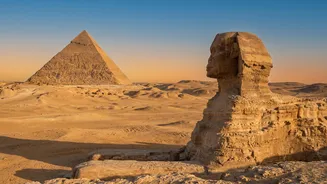
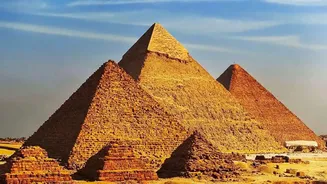
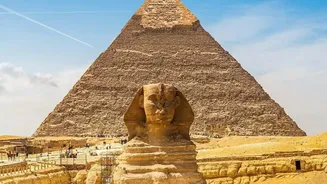
The Pyramids of Giza, the Valley of the Kings, the temples of Luxor—these names evoke a sense of timeless wonder. Yet, many travelers return with stories of overwhelming crowds, persistent vendors, and suffocating heat, leading some to label these iconic
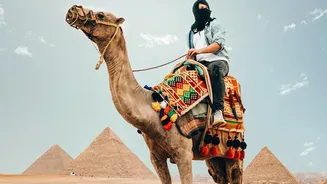
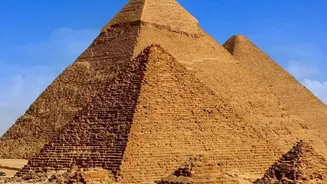
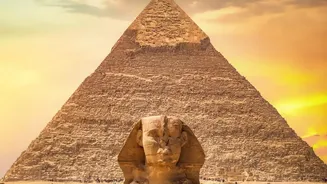
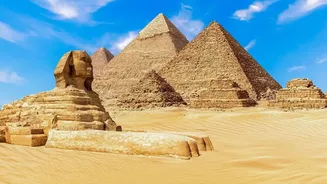
sites as overrated. But the issue is rarely the sites themselves, which are genuinely magnificent. The problem is almost always one of logistics. Arriving at the Giza Plateau alongside thousands of other visitors at midday can diminish the magic. A successful trip to Egypt's main attractions is a masterclass in managing timing and expectations.
Mastering the Main Circuit
The secret to enjoying Egypt's most famous locations is simple: go when others do not. The best time to visit hotspots like the Pyramids of Giza or the temples of Luxor is right at opening time, usually around 7:00 or 8:00 AM. This golden window offers cooler temperatures and smaller crowds before the large tour buses arrive around 10:00 AM. The months from October to April provide the most pleasant weather for exploring. Visiting in the shoulder seasons of autumn or spring can offer a good balance of fewer tourists and comfortable temperatures. By planning to be at the gates early, you can transform a potentially stressful visit into an awe-inspiring one, allowing you to appreciate these ancient marvels in relative peace.
Beyond Giza: The Pyramids of Dahshur
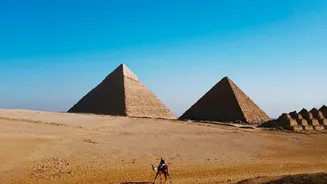
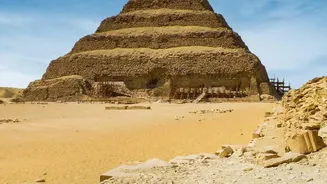
For a more serene pyramid experience, venture 40 kilometers south of Cairo to Dahshur. This archaeological site is home to the Bent Pyramid and the Red Pyramid, both built by Pharaoh Sneferu, the father of Khufu who built the Great Pyramid. These structures represent a crucial step in the evolution of pyramid design. The Red Pyramid is the world's first successful attempt at a true, smooth-sided pyramid. Unlike the bustling Giza complex, Dahshur is often quiet, allowing you to explore these colossal monuments without the crowds and aggressive sales tactics. The sense of discovery here is palpable, offering a glimpse into ancient engineering on a more personal scale.
Temples Without the Throngs: Abydos and Dendera
While the temples of Karnak and Luxor are essential, they can be intensely crowded. For a different pace, consider a day trip to the temples of Abydos and Dendera. The Temple of Seti I at Abydos is renowned for its beautifully preserved and detailed reliefs, including the famous Abydos King List, a chronological record of Egyptian pharaohs. Further along, the Temple of Hathor at Dendera is one of Egypt's best-preserved temples, celebrated for its vibrant, colorful astronomical ceilings, including a plaster cast of the famous Dendera Zodiac. Because they are further from the main tourist hubs, these sites offer a more tranquil and immersive experience.
An Escape to the Siwa Oasis
To truly get off the beaten path, journey to the Siwa Oasis in the Western Desert. Remote and culturally distinct, Siwa offers a stark contrast to the Nile Valley. Its unique Amazigh culture, mud-brick fortress (the Shali), and shimmering salt lakes create a unique atmosphere. Travelers come here to float in the buoyant salt pools, explore the ancient Oracle of Amun, and enjoy a laid-back vibe that is worlds away from the hustle of Cairo and Luxor. The journey is long, typically an overnight bus from Cairo or Alexandria, but the reward is an authentic and unforgettable desert experience with a much slower pace.
Setting the Right Expectations
A rewarding trip to Egypt also requires a mental adjustment. Hospitality is a cornerstone of the culture, and you will likely be invited for tea. Tipping, or 'baksheesh', is an integral part of the service economy and is expected for many small services. Bargaining in markets is standard practice; approach it with good humor as part of the cultural exchange. Dressing modestly, especially when visiting religious sites, shows respect for local customs. Understanding and embracing these social norms will not only prevent frustration but will also open the door to more meaningful interactions and a deeper appreciation for the country.