


The Soul of Batik: Wax and Dye
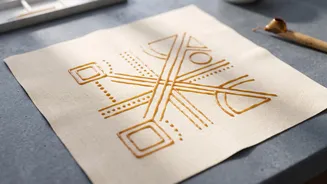
At its heart, batik is a method of resist dyeing. The process begins with a plain piece of fabric, often cotton or silk. An artist uses hot wax to draw or stamp a design onto the cloth. This wax acts as a barrier, resisting the dye that comes next. The main
tools for applying wax are the 'canting', a pen-like tool for drawing fine lines, and the 'cap', a copper stamp for repeating patterns. Once the wax design is complete, the fabric is submerged in its first dye bath. The areas covered in wax remain untouched by the color, creating the initial pattern. This foundational step is what defines the art form, but the magic of depth begins when artists decide one color isn't enough.
Building Colour: The Layering Process
Layered dyeing is precisely what it sounds like: a patient, multi-step process of adding new layers of wax and new colours of dye. After the first dye bath, the fabric is dried. The artist then applies more wax, this time to protect areas of the new color they wish to preserve. The fabric is then dipped into a second, usually darker, dye bath. This new color covers the remaining unwaxed fabric and transforms the previously dyed areas into a new shade. For example, a piece of fabric dyed yellow, then waxed and dipped in blue, will result in a design with areas of yellow, blue, and green where the colours have mixed. This process can be repeated multiple times, moving from the lightest color to the darkest.
Creating Depth and Dimension
So, how does this create depth? The effect is twofold. First, the overlapping of translucent dyes builds a rich and complex palette that a single application could never achieve. The subtle transitions between hues—a yellow bleeding into a green, which darkens into a deep blue—create a sense of perspective and dimension. Instead of flat blocks of colour, you get a harmonious blend that feels organic and alive. The second element that adds depth is texture. As the fabric is handled during the dyeing process, the hardened wax often develops fine cracks. Dye seeps into these cracks, creating a veined, web-like effect that is a signature characteristic of batik. This 'crackle' adds a layer of intricate detail and texture, making the final piece feel more tactile and visually interesting.
From Flat Cloth to Wall Art
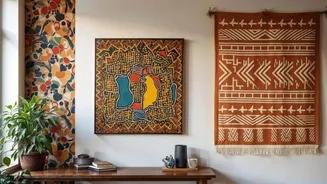
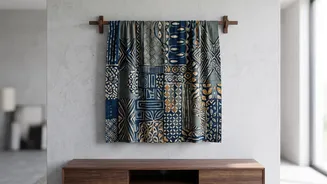
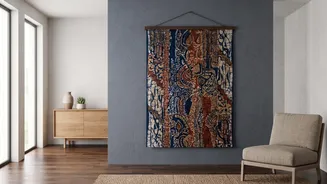
When applied to wall art, the impact of layered dyeing is profound. A simple floral motif can transform from a flat illustration into a botanical study with shaded petals and overlapping leaves. A geometric pattern gains a three-dimensional quality, with some elements appearing to recede while others push forward. The time-intensive nature of this technique means that each multi-coloured piece is a testament to the artist's skill and patience. The complexity can range from a few layers to a dozen or more, with some intricate pieces taking months to complete. This dedication is visible in the final product, elevating it from a decorative textile to a true work of art.
What to Look for in a Layered Piece
For those looking to collect or simply appreciate batik wall art, understanding layering helps you see the craftsmanship involved. When looking at a piece, try to identify the different colours. See if you can mentally reverse the process—what might the lightest, base colour have been? Notice the subtle variations where dyes have overlapped. A high-quality layered batik will display a deliberate and harmonious color progression. The lines where wax was applied should be clear, and the crackle effect should enhance the design rather than overwhelm it. Appreciating these details allows you to connect more deeply with the art form and the immense effort behind its creation.