






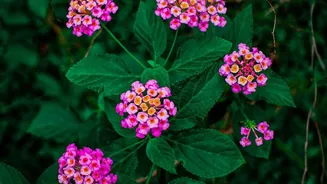
A Spectacle 12 Years in the Making
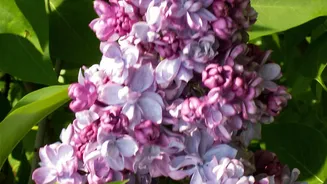
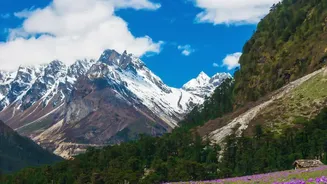
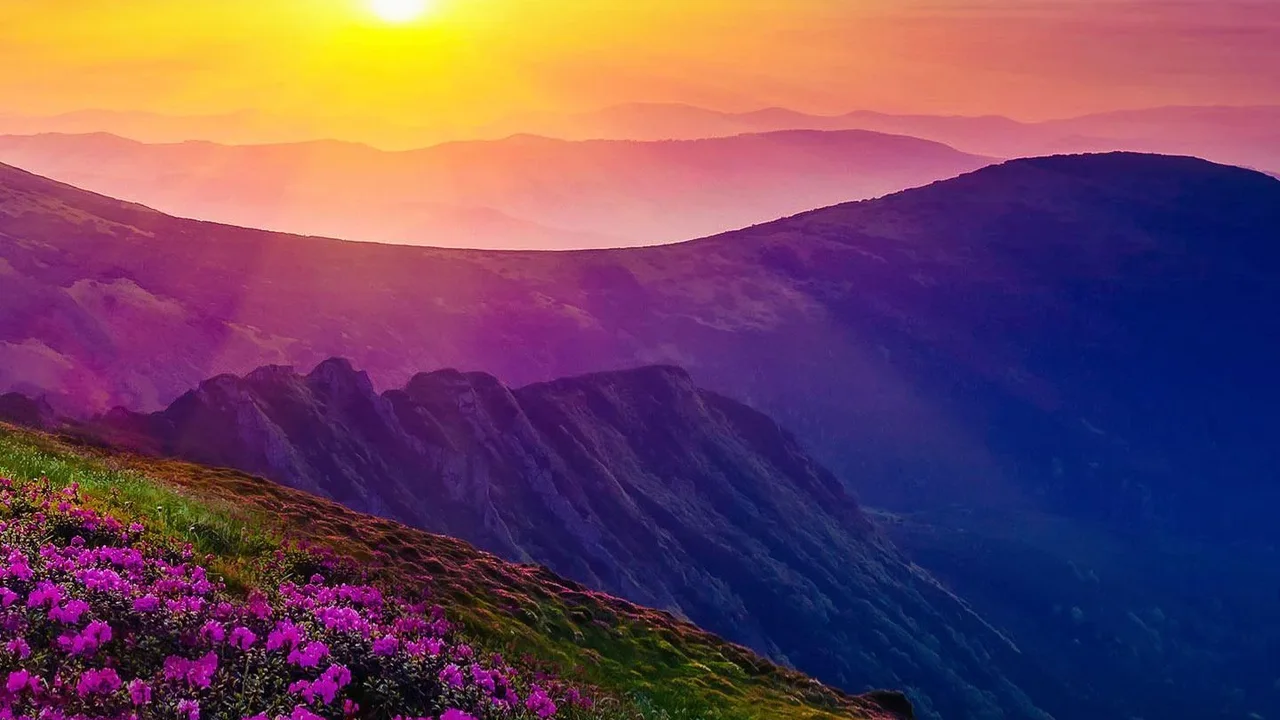
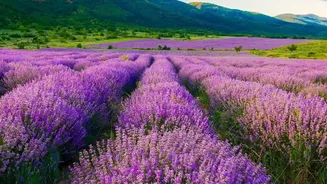
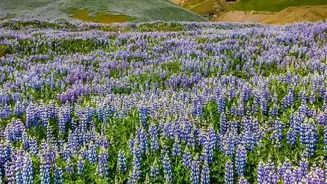
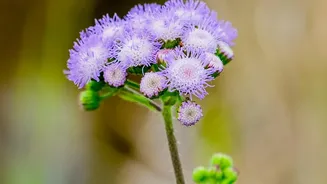
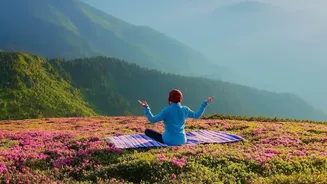
Imagine entire hillsides, as far as the eye can see, shifting from their usual lush green to a stunning carpet of purplish-blue. This is the magic of the Neelakurinji bloom. Scientifically known as Strobilanthes kunthiana, this shrub is famous for its
unusual life cycle. It blooms gregariously, meaning entire populations flower in synchrony, but only once every 12 years. After releasing its seeds, the plant completes its life cycle and dies, leaving the next generation to begin the long wait all over again. The current bloom, which began appearing in August and is expected to peak from September to October 2026, is a major event for nature lovers and photographers who flock to witness the rare display. The name itself tells a story: in Malayalam and Tamil, 'Neela' means blue and 'Kurinji' is the local name for the flower. It is this very flower that gives the Nilgiri Hills, or 'Blue Mountains', their name.
The Science of the 2026 Bloom
While the most famous mass blooming of Neelakurinji occurs in a 12-year cycle, with the last major event in 2018 and the next anticipated in 2030, the 2026 bloom is not a mistake of nature. It’s a testament to the incredible diversity within the Strobilanthes genus. There are over 350 species, many of which have their own unique flowering cycles ranging from seven to 16 years. The 2026 flowering is specific to a distinct population of Neelakurinji located in the hills around Chokramudi, Mattupetty, and Korandakkad near Munnar. This particular group last flowered in 2014, making 2026 its scheduled year to burst into bloom. So, while visitors shouldn't expect to see the bloom in the famous Eravikulam National Park this year, they have a rare opportunity to witness a different, equally stunning cycle unfold in other parts of the region.
A Flower Woven into Culture and Ecology
The Neelakurinji is far more than just a beautiful flower; it's a cornerstone of the Western Ghats ecosystem and a cultural touchstone. For centuries, the indigenous Paliyan and Muthuvan communities have used the blooming cycle as a natural calendar to calculate their age. Ecologically, the mass flowering provides a sudden, immense source of nectar for bees and other pollinators, leading to a boom in local honey production. The plant is considered an indicator species, meaning its health and blooming cycle reflect the overall well-being of the fragile high-altitude shola grassland ecosystem it inhabits. The event attracts not only pollinators but also the endangered Nilgiri Tahr, a mountain goat native to these hills, making the bloom a critical period for local wildlife.
Where to Witness the Blue Carpet
For those hoping to witness this natural wonder in 2026, the main viewing areas are concentrated around the Chokramudi and Mattupetty-Korandakkad hills in Idukki district. Forest officials have designated specific viewing points to manage the influx of tourists and protect the delicate habitat. The Kurinji Garden at Chokramudi was officially opened to visitors on August 24, 2026, with entry fees in place to regulate access. Other accessible spots include the scenic areas around Gap Road, Lock Heart Gap, and near Mattupetty Dam, which offer picturesque views of the flower-laden slopes. To get there, travellers can head to the hill station of Munnar. The nearest railway station is Aluva, about 110-120 km away, from where local transport can be taken to the designated bloom sites.
Protecting a Fragile Treasure
This rare spectacle also highlights the vulnerability of the Neelakurinji. The plant’s habitat in the Western Ghats is under constant pressure from habitat destruction, expanding plantations, and the climate crisis, which can disrupt its sensitive flowering cycle. In fact, the species was classified as 'Vulnerable' on the IUCN Red List in 2024, underscoring the urgent need for conservation. Officials and conservationists urge tourists to be responsible. Plucking the flowers is strictly prohibited and can result in significant fines and even imprisonment. Visitors are advised to stick to marked trails, avoid stepping on the plants, and carry out all waste to help preserve this unique botanical heritage for its next flowering, another 12 years from now.