


Choosing Your Pots and Location
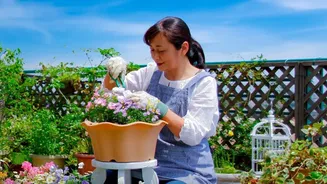
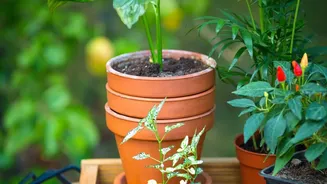
The first step to a thriving herb garden is creating the right home. Both mint and coriander can be grown successfully in containers. For coriander, choose a pot that is at least 8 to 10 inches deep to accommodate its long taproot. A wider pot is also
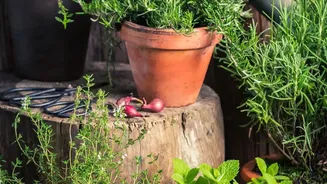
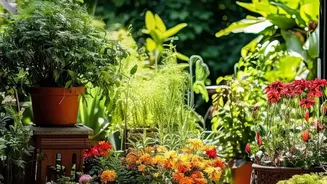
beneficial. Mint is less fussy about depth but notoriously invasive; its runners will quickly take over any available space. For this reason, giving mint its own pot is non-negotiable to prevent it from strangling other plants. A 10 to 12-inch pot is a good starting point. Ensure any container you choose has excellent drainage holes to prevent waterlogging, a common cause of root rot. As for location, a spot that receives at least four to six hours of sunlight is ideal. A south-facing window or a balcony that gets good morning sun would be perfect. In very hot climates, some afternoon shade can protect the delicate leaves from scorching.
The Right Soil and How to Plant
Herbs need soil that is both fertile and well-draining. Avoid using heavy garden soil, which compacts easily in pots and can lead to waterlogged roots. The simplest solution is to buy a quality commercial potting mix. For a custom blend, you can combine equal parts potting mix, compost (like vermicompost), and either cocopeat or perlite. This mixture provides nutrients, retains adequate moisture, and allows excess water to drain away. When planting coriander, it's best to sow seeds directly into their final pot, as they dislike being transplanted, which can cause them to 'bolt' (flower prematurely). You can gently crush the seeds before soaking them for about 24 hours to improve germination. Sow them about half an inch deep. For mint, starting from a cutting or a small plant from a nursery is much easier than starting from seed. Plant it at the same depth it was in its original container.
Caring for Vigorous Mint
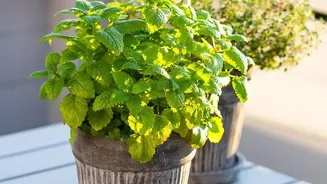
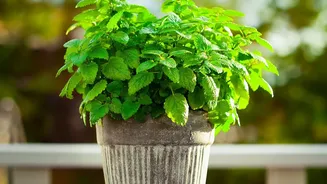
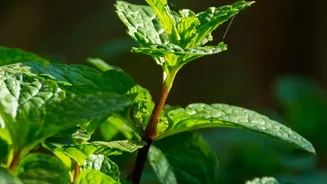
Mint is a hardy and vigorous grower, making it great for beginners. Its main requirement is consistent moisture; the soil should be kept moist but not soggy. Water when the top inch of soil feels dry. The key to a healthy, bushy mint plant is regular harvesting. Don't just pluck individual leaves. Instead, trim the top stems, cutting just above a set of two leaves. This encourages the plant to branch out and become fuller, rather than tall and leggy. Frequent harvesting not only provides you with fresh leaves but also keeps the plant's growth in check and encourages it to produce more flavorful foliage.
Mastering Fussy Coriander
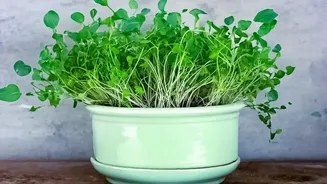
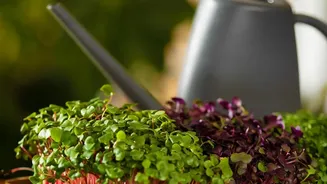
Coriander can be more sensitive than mint. Its biggest challenge is a tendency to bolt, meaning it sends up a flower stalk and stops producing leaves, especially in hot weather or when water-stressed. To delay this, keep the soil consistently moist and provide some shade from intense afternoon sun. Coriander is a cool-season herb and thrives in temperatures between 17° to 27°C. Since a single plant has a short life, the best strategy for a continuous supply is 'succession planting'. This simply means sowing a new small batch of seeds every two to three weeks. When you harvest, you can cut the outer leaves first, allowing the inner leaves to continue growing. Once the plant starts to show signs of bolting (developing feathery leaves), you can harvest the entire plant.
Watering, Feeding, and Common Pests
A consistent watering schedule is crucial for both herbs. Check the soil every day or two, especially in hot weather. Water thoroughly when the top inch of soil is dry, but don't let the pots sit in a tray of standing water. As for feeding, if you started with a nutrient-rich potting mix, you won't need to add much fertilizer. A light feeding with a balanced liquid fertilizer or a top dressing of vermicompost every four to six weeks during the growing season is plenty. Keep an eye out for common indoor pests like aphids and spider mites, which can sometimes appear. Good air circulation and ensuring plants aren't overcrowded can help prevent many issues.