





What Exactly Is FSSAI Proposing?
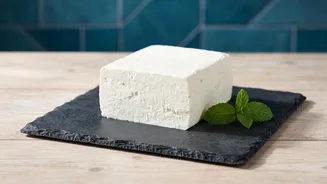
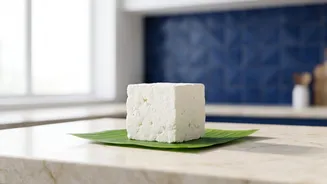
The heart of the proposal is simple: only products made from milk can be called 'paneer'. The FSSAI has issued draft regulations aiming to restrict the use of the term for products made with non-milk ingredients. This means items that substitute milk fat
and protein with things like vegetable oils, starches, or plant proteins would no longer be allowed to use the word 'paneer' on their labels, packaging, or in marketing materials. The draft Food Safety and Standards (Prohibition and Restrictions on Sales) Amendment Regulations, 2026, specifically targets these “analogue” products to prevent consumers from being misled about what they are buying.
The Rise of 'Analogue' Paneer
So, what is analogue paneer? It's a product designed to look, feel, and cook like traditional paneer but is made by replacing milk components with other ingredients. These often include cheaper substitutes like palm oil, milk powder, starches, and emulsifiers. The primary motivation for its production is cost, making it an attractive option for some food businesses. However, this has raised concerns that consumers, whether at a grocery store or a restaurant, may be unknowingly buying a product with a different nutritional profile than they expect. This isn't about 'fake' or unsafe food; it's about accurate identification. An analogue product can be legally produced and sold, but the issue is whether it is being passed off as something it's not.
Why a National Standard Now?
The push for a unified national rule comes after several states have already taken action. States including Maharashtra, Gujarat, Karnataka, and others have recently imposed their own restrictions or bans on the sale of analogue paneer, citing health and consumer rights concerns. These state-level crackdowns highlighted the need for a consistent, nationwide approach. By creating a single clear rule, the FSSAI aims to eliminate the regulatory grey area that allowed cheese analogues to be sold as paneer. The goal is to ensure that a consumer in any part of India can trust that a product labelled 'paneer' is, in fact, the milk-based product they expect.
What This Means for You, the Consumer
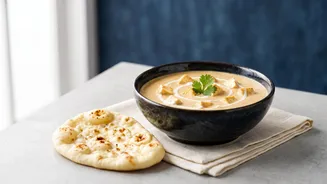
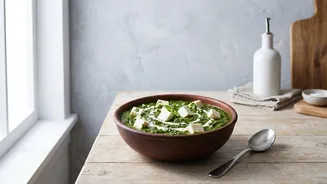
For consumers, the biggest benefit is clarity. The proposed rules are designed to empower you to make informed choices based on ingredients, nutritional value, and dietary needs. Paneer is a significant source of protein for many Indian households, and its nutritional value can differ substantially from an analogue product. The new regulations would also extend to restaurants and food services, which may be required to clearly state on menus if they are using a paneer substitute. This means when you order a paneer tikka, you'll have a much better idea of whether you're getting a traditional dairy product or a vegetable fat-based alternative.
The Impact on Producers and Businesses
The proposed change will require significant adjustments from businesses currently manufacturing or using analogue products. Companies already licensed under the 'Analogue in Dairy Context' category will have to rebrand and relabel their products, removing the word 'paneer' entirely. While large, organised players may adapt more easily, the rules could present a challenge for smaller eateries and producers who rely on cheaper analogues to manage costs. The draft regulation is currently open for a 60-day period for feedback from stakeholders and the public before any final decision is made, allowing the industry time to voice its perspective.