




The Classic Oatmeal Bowl for Sustained Energy
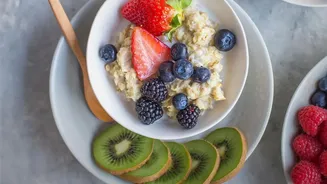
Oatmeal is the quintessential breakfast bowl base, celebrated for its high fibre content that provides slow-releasing energy. This keeps you feeling full and energised without the mid-morning crash. A standard serving is about half a cup of dry rolled
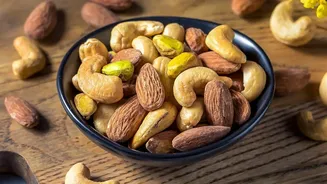
oats, which cooks up to about one full cup. This portion, around 150 calories before toppings, delivers roughly 4 grams of fibre and 5 grams of protein. While it's tempting to fill a large bowl, using a smaller one can help manage portions. To enhance oatmeal's benefits, pair it with a glass of water. Adequate fluid intake helps the soluble fibre in oats do its job, aiding digestion and promoting satiety. Top your bowl with berries for antioxidants and a tablespoon of nuts for healthy fats.
The Protein-Packed Yogurt Bowl for Fullness
For a breakfast that keeps hunger at bay, a Greek yogurt bowl is an excellent choice. Greek yogurt is rich in protein, which is more satiating than carbs or fats. Aiming for 20-30 grams of protein at breakfast can help control appetite throughout the day. A portion of about three-quarters of a cup of plain Greek yogurt provides a strong protein foundation. Be mindful of toppings; while granola adds crunch, many varieties are high in sugar. Opt for a small handful of nuts, seeds like chia or pumpkin, and fresh fruit to add fibre and healthy fats without excess sugar. Because yogurt contains water, it contributes to your morning fluid intake, but drinking water alongside it remains important for overall hydration and metabolic function.
The Vibrant Smoothie Bowl for Vitamins and Hydration
Smoothie bowls are a delicious way to pack in vitamins and start your day hydrated. The liquid base—whether it's water, milk, or a plant-based alternative—directly boosts your morning fluid intake, which is crucial after a night of sleep. A well-built smoothie bowl balances fruit with other essential nutrients. A good portion strategy is to use about one cup of frozen fruit, a handful of leafy greens like spinach for extra nutrients, and a source of protein like a scoop of protein powder or Greek yogurt. Healthy fats, from a tablespoon of almond butter or a quarter of an avocado, add to the feeling of fullness. While they are a great source of nutrients, be aware that blending fruits makes their sugars more readily available, so balancing with protein and fat is key.
The Savoury Quinoa Bowl for a Complete Meal
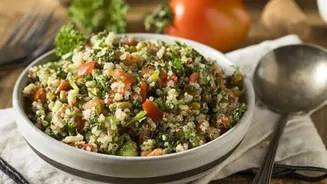
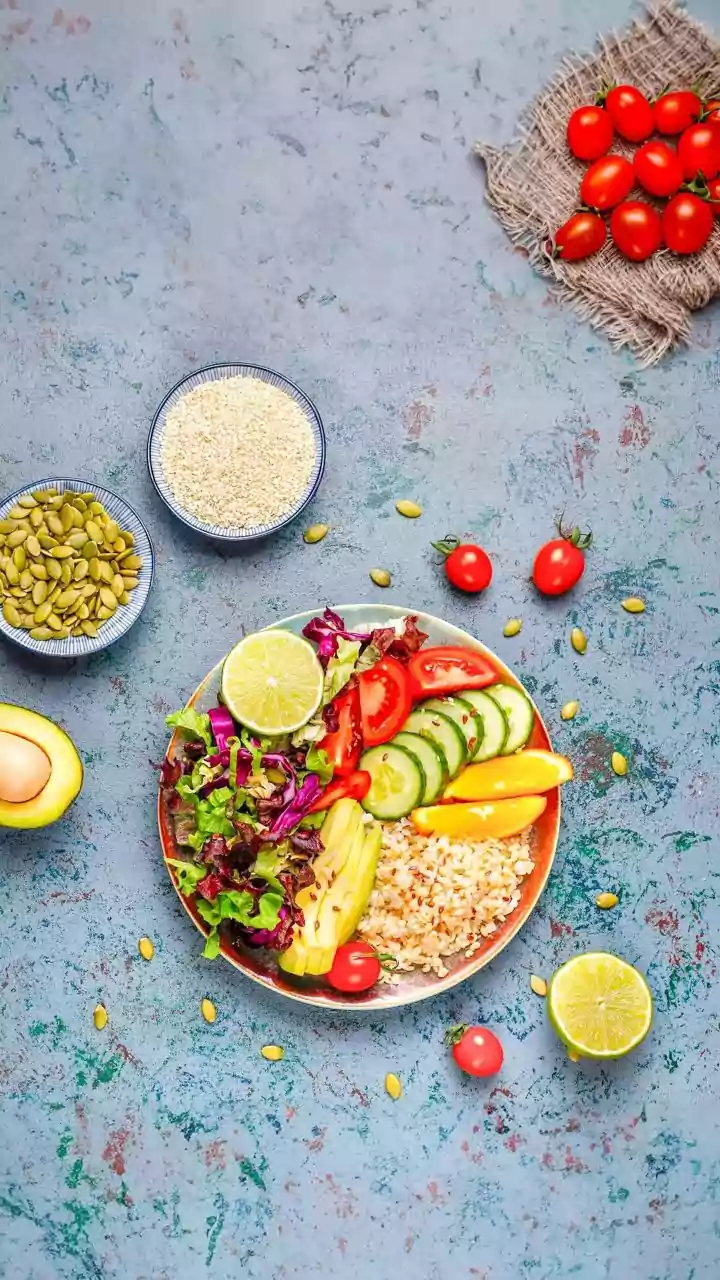
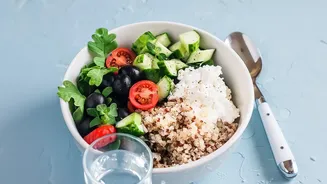
Breakfast doesn't always have to be sweet. A savoury bowl built on a base of quinoa offers a fantastic balance of complex carbohydrates and complete protein, containing all nine essential amino acids. Start with a cooked portion of about one cup of quinoa. From there, the options are endless. Top it with a fried or poached egg for additional high-quality protein, sautéed spinach or kale, and sliced avocado for creamy, healthy fats. This combination provides sustained energy and keeps you full. As with any grain-based bowl, portion awareness is key to managing calorie intake. Remember to drink water before or with your meal, as many people can mistake thirst for hunger, which can lead to overeating.
The Make-Ahead Chia Seed Pudding Bowl for Fibre
For busy mornings, a chia seed pudding bowl is a perfect, nutrient-dense option you can prepare the night before. Chia seeds are a powerhouse of fibre, omega-3 fatty acids, and plant-based protein. A typical serving involves two to three tablespoons of chia seeds soaked in about a cup of liquid, such as almond milk. The seeds absorb the liquid and swell, creating a pudding-like texture that is incredibly filling. This process is a direct illustration of fluid's role in creating volume and promoting satiety. Because chia seeds absorb so much water, it is especially important to stay hydrated to prevent any digestive discomfort. Top with fresh fruit or a sprinkle of cinnamon for a breakfast that supports digestive health and stable blood sugar.