
A Global Celebration of Space
Every year from October 4 to 10, space agencies, schools, and enthusiasts across the globe mark World Space Week. Proclaimed by the United Nations in 1999, the week commemorates two pivotal moments in space history: the launch of Sputnik 1, the first
artificial satellite, on October 4, 1957, and the entry into force of the Outer Space Treaty on October 10, 1967. The event aims to educate the public about the contributions of space science and technology to humanity and inspire the next generation of scientists and engineers. In India, organisations like ISRO and various universities are hosting exhibitions, lectures, and workshops to engage students and the public.
Why Rockets are the Stars of 2026
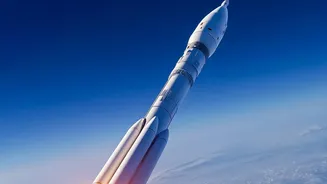
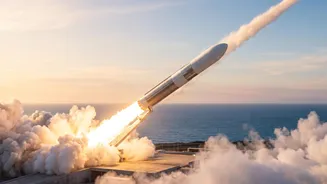
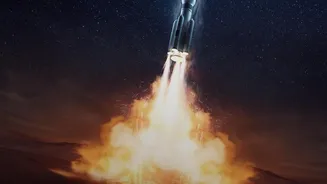
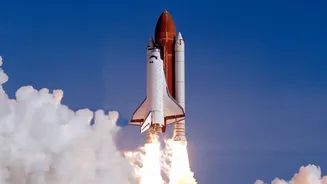
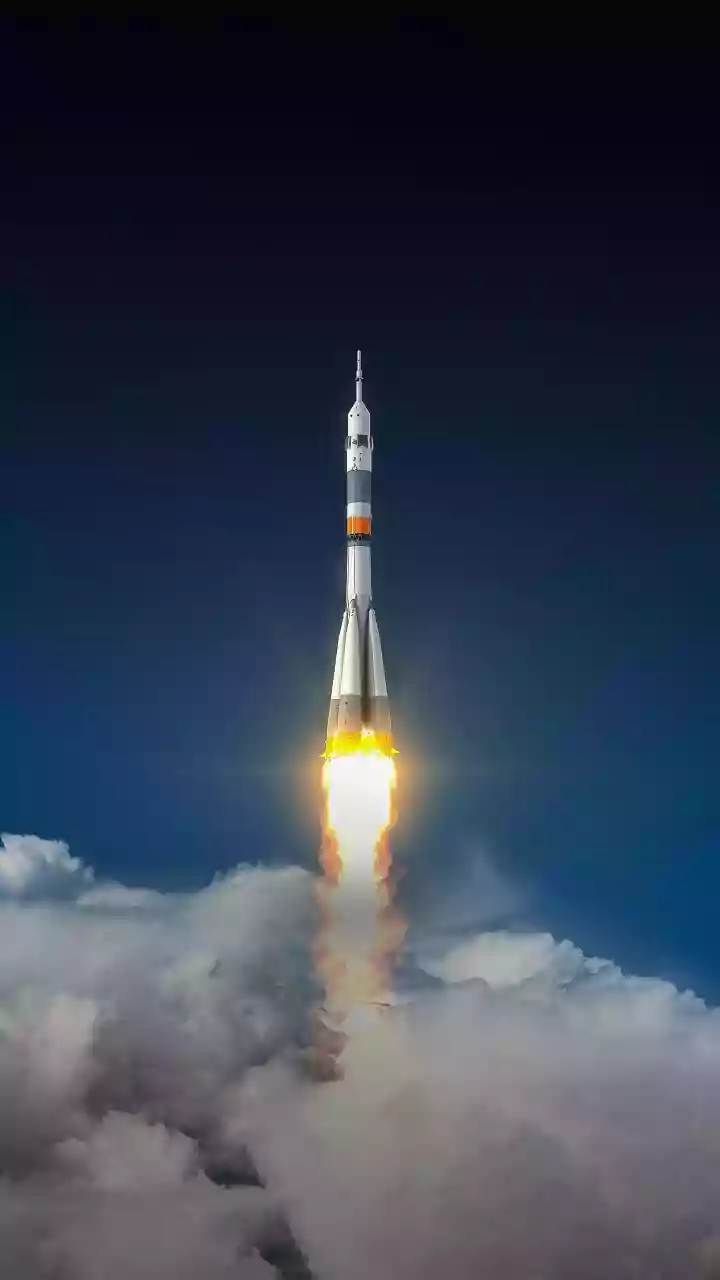
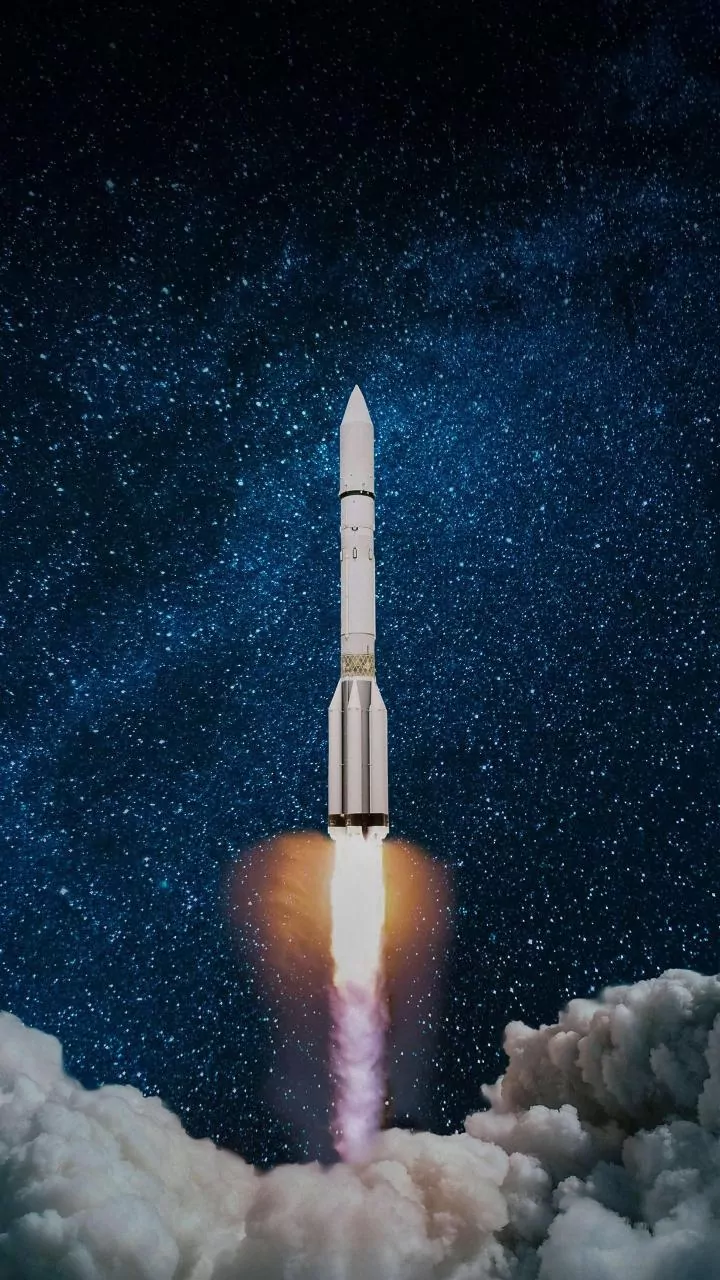
The 2026 theme, 'Rocket Revolution', focuses on the dramatic transformation in launch technology. For decades, space access was limited to a few government programmes. Today, a revolution is underway, driven by commercial companies, reusable rockets, and new national players, all of which are making space more accessible and affordable. Rockets are the fundamental 'workhorses' of space exploration; without them, no satellite, probe, or astronaut can begin its journey. They are the essential first step, providing the immense thrust needed to overcome Earth's gravity. This year's theme acknowledges that these launch vehicles are the backbone of every mission, from deploying communication satellites that power our daily lives to sending probes into deep space.
India's Mighty Launch Vehicles
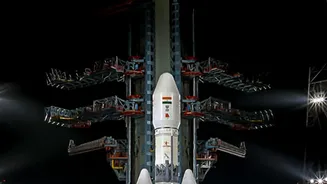
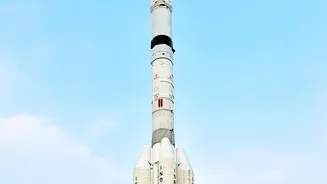
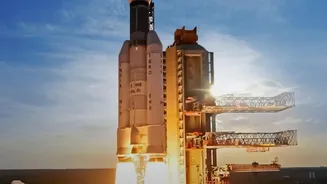
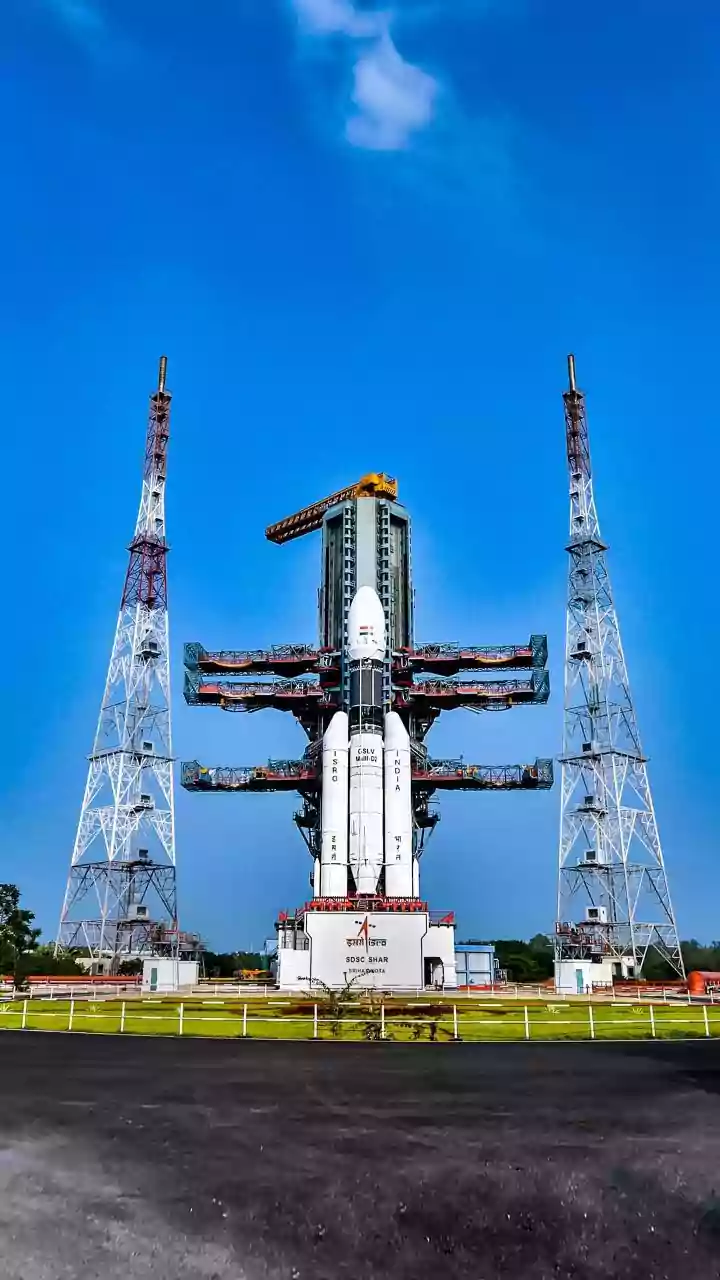
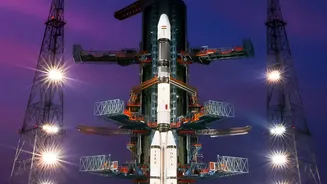
The Indian Space Research Organisation (ISRO) has developed a world-class fleet of launch vehicles, earning India a respected place in the global space community. The Polar Satellite Launch Vehicle (PSLV) is known as ISRO's reliable workhorse, having successfully launched hundreds of Indian and foreign satellites. For heavier payloads, ISRO relies on the Geosynchronous Satellite Launch Vehicle (GSLV) and its powerful successor, the Launch Vehicle Mark-3 (LVM3). The mighty LVM3 was the rocket that launched the historic Chandrayaan-3 mission to the Moon and is also the designated vehicle for India's first human spaceflight mission, Gaganyaan.
The Next Frontier: Gaganyaan and Reusability
The 'Rocket Revolution' is not just about getting to orbit, but doing so sustainably and preparing for more ambitious goals. ISRO is at the forefront of this evolution with two key programmes. The Gaganyaan mission, which aims to send Indian astronauts into orbit, is rapidly progressing, with many critical tests already complete. This requires a human-rated LVM3 rocket, featuring advanced safety and reliability systems. In parallel, ISRO is developing its own Reusable Launch Vehicle (RLV), nicknamed 'Pushpak'. This winged vehicle has successfully completed a series of autonomous landing tests, demonstrating its ability to return to a runway like an aircraft. This technology is crucial for reducing launch costs and will be foundational for future projects like the planned Bharatiya Antariksha Station, India's own space station.