






The Problem with Refined Carbs
Many quick breakfast options like pastries, sugary cereals, and white toast are made from refined carbohydrates. During processing, these grains are stripped of their bran and germ, which removes most of the fibre and nutrients. When you eat them, your
body digests them very quickly, causing a rapid spike in blood sugar. Your pancreas then releases a large amount of insulin to manage this sugar surge. The result is often a sharp drop in blood sugar a few hours later, leaving you feeling tired, irritable, and hungry long before your next meal. This 'spike and crash' cycle can lead to mid-morning brain fog and cravings for more sugary snacks.
The Whole Grain Advantage
Whole grains, on the other hand, contain all three parts of the grain kernel: the bran, the germ, and the endosperm. The bran is especially important as it is rich in fibre. This fibre slows down digestion, meaning the glucose (sugar) from the carbohydrates is released into your bloodstream much more gradually. Instead of a sudden spike, you get a slower, more sustained supply of energy. This helps maintain stable blood sugar levels, keeping you feeling full, focused, and energized through the morning. Research shows that diets rich in whole grains can improve insulin sensitivity and are associated with a lower risk of type 2 diabetes.
Quick and Easy Whole Grain Swaps
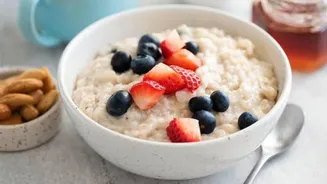
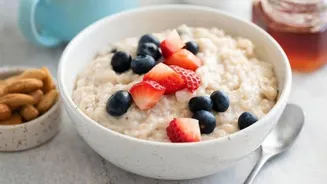
Making the switch doesn't have to be complicated or time-consuming. Many whole grain breakfasts can be prepared in under 10 minutes. Instead of sugary cereal, opt for a bowl of porridge made from rolled oats, topped with berries and nuts. Swap your white toast for two slices of 100% whole-grain bread topped with avocado or a nut butter that contains no added sugar. Another fast option is a whole-grain wrap filled with scrambled eggs and spinach for a portable, protein-packed meal. Even overnight oats or chia seed pudding, prepared the night before, offer a high-fibre start to the day with minimal morning effort.
How to Read Food Labels
Navigating the grocery store can be tricky, as marketing terms like 'multigrain' or 'wheat' don't guarantee a product is whole grain. The most reliable method is to check the ingredients list. Look for the word 'whole' before the name of the grain, such as 'whole wheat flour' or 'whole oats', as the very first ingredient. This ensures the product is predominantly made from whole grains rather than refined flour. Also, be mindful of added sugars, which can be hidden in many packaged breads and cereals, even those marketed as healthy.
Build a Balanced Breakfast Plate
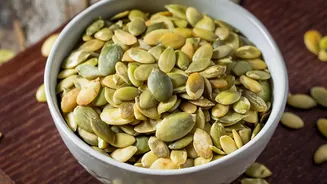
While whole grains are a fantastic foundation, building a truly balanced breakfast involves pairing them with protein and healthy fats. This combination further slows digestion and promotes satiety, helping you feel fuller for longer. For example, add a handful of walnuts or a spoonful of chia seeds to your oatmeal. If you're having whole-grain toast, top it with an egg and some avocado. A Greek yogurt parfait with berries provides protein from the yogurt. This 'trifecta' of fibre-rich carbs, protein, and fat is the formula for a breakfast that provides stable, long-lasting energy and prevents the dreaded mid-morning slump.