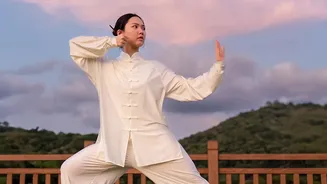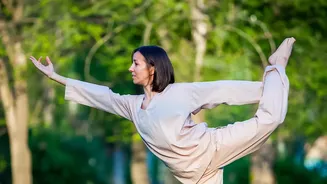


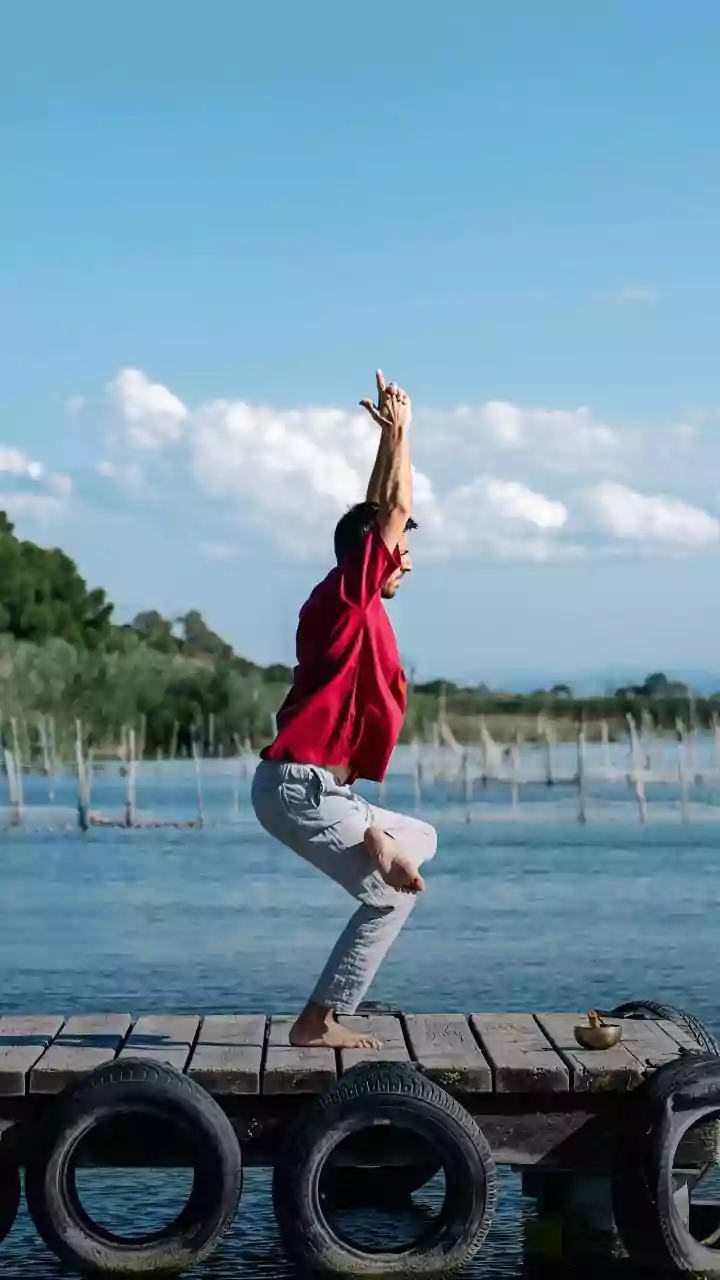




In our fast-paced world, the simple act of staying steady on our feet is something we often take for granted. But true stability is a skill. This is where Tai Chi, an ancient practice often called 'meditation in motion,' comes in.
What Exactly Is Tai Chi?
Originating in ancient
China as a martial art, Tai Chi has evolved into a low-impact mind-body exercise now practised globally for its health benefits. It involves a series of slow, flowing movements and deep breathing techniques. Unlike high-intensity workouts, Tai Chi focuses on control, mindfulness, and the quality of motion. At its core are principles like centering your awareness, maintaining a stable and upright posture, and moving with softness and intention. This makes it exceptionally accessible, especially for older adults or those with limited mobility who want to improve their physical well-being without putting stress on their joints.
The Power of Deliberate Slowness
One of the most counterintuitive aspects of Tai Chi is how its slowness builds strength and stability. When you move quickly, momentum does much of the work. But when you move slowly, your muscles—especially the small stabiliser muscles in your legs, ankles, and core—are forced to engage constantly to control the movement and maintain balance. This continuous, controlled weight shifting is a form of dynamic balance training. Your brain must constantly recalculate your centre of gravity, strengthening the neuromuscular connections that help you stay upright. This is far more effective for real-world balance than static exercises like simply standing on one leg.
Training Your 'Sixth Sense' for Balance
Balance isn't just about muscle strength; it's a complex conversation between your brain, inner ear, and body. A key part of this is proprioception—your body's ability to sense its position in space without you having to look. This sense can decline with age, contributing to a higher risk of falls. Tai Chi directly trains proprioception. The slow, deliberate movements force you to pay close attention to your body's alignment, the angle of your joints, and the sensation of your feet on the ground. Over time, this enhances your internal sensory feedback system, making you more aware and better able to correct your posture instinctively to prevent a stumble.
Rooting, Shifting, and Staying Upright
Two fundamental concepts in Tai Chi that directly contribute to better balance are 'rooting' and weight distribution. Rooting refers to developing a stable, grounded connection to the earth through your feet, as if you were a tree. Practitioners learn to shift their weight deliberately and smoothly from one leg to the other, always maintaining a stable centre of gravity. This combines with a focus on keeping the body upright and aligned. This coordinated practice of strengthening the legs, improving flexibility, and honing your body's natural reflexes creates a powerful toolkit for stability. Research has shown this combination is highly effective, with some studies indicating that regular Tai Chi practice can significantly reduce the risk of falls in older adults.