








Rethinking Your Protein Sources
When we think muscle gain, we often think protein. While essential, the source of that protein has a major impact on the environment. Animal agriculture, particularly for beef and dairy, is resource-intensive, requiring significant land and water while
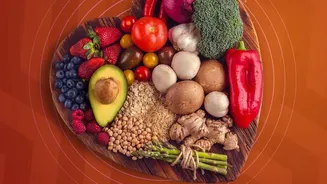
producing high greenhouse gas emissions. Plant-based proteins like lentils, chickpeas, tofu, and tempeh offer a much smaller environmental footprint. They require less land and water to produce, and studies confirm you can effectively build muscle and strength on a plant-based diet. You don't have to go entirely vegan; simply shifting the balance to include more plant-based meals can make a big difference. When choosing animal products, consider options with a lower impact, such as poultry or certain types of fish, over red meat.
The Carb and Fat Equation
Protein often gets the spotlight, but carbohydrates and fats are crucial for muscle growth. Carbs are your body's main energy source, fueling tough workouts that stimulate muscle development. Fats are vital for hormone production, including hormones that support muscle repair and growth. A sustainable approach focuses on whole-food sources. Think complex carbs like oats, quinoa, brown rice, and sweet potatoes, which provide sustained energy. For fats, turn to avocados, nuts, and seeds. These minimally processed foods not only support your training but also avoid the environmental costs associated with heavily processed and packaged goods.
Embrace Local and Seasonal Eating
Eating sustainably also means considering where your food comes from. Food that travels long distances has a significant carbon footprint. Shopping at local farmers' markets or choosing seasonal produce helps reduce these "food miles." A major bonus is that local, seasonal food is often more nutritious and flavorful. Produce picked at its peak ripeness contains more vitamins and minerals compared to items harvested early to withstand long shipping times. This approach also encourages dietary variety, exposing you to a wider range of nutrients throughout the year as the seasons change.
Smart Supplementation Choices
Protein powder is a convenient tool for many, but not all are created equal in terms of sustainability. Whey protein, a byproduct of the cheese industry, comes from dairy farming, which has a notable environmental impact. Plant-based protein powders, such as those made from peas, soy, or hemp, generally have a lower carbon footprint because they skip the resource-intensive animal agriculture step. While some analyses suggest whey can be efficient, the overall consensus points to plant proteins as a more sustainable category in the long run. Before buying any supplement, consider if you truly need it. Many people can meet their protein needs for muscle gain through whole foods alone, which is the most sustainable option of all.
Minimising Food Waste
A core principle of sustainability is reducing waste. Globally, a significant amount of food produced is never eaten. When you're planning meals to build muscle, a little strategy can go a long way. Plan your meals for the week before you shop to ensure you only buy what you need. Use leftovers for lunches or repurpose them into new dinners. Learning to properly store fruits and vegetables can extend their life, and freezing items like bread, meat, or even pre-chopped vegetables can prevent them from spoiling. This not only helps the planet by reducing landfill waste but also saves you money.