





The Annual November Cocktail
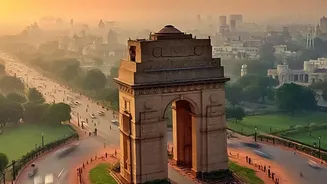
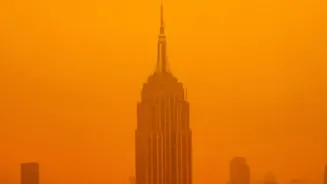
Every year, as winter approaches, Delhi’s air quality plummets, and a perfect storm of factors is to blame. A major contributor is stubble burning in the neighbouring states of Punjab and Haryana, where farmers burn crop residue to quickly clear fields
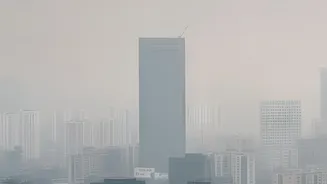
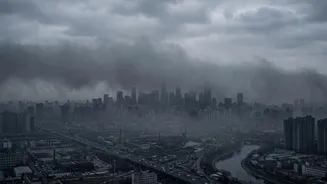
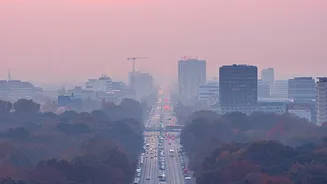
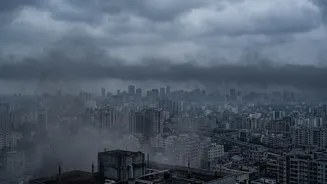
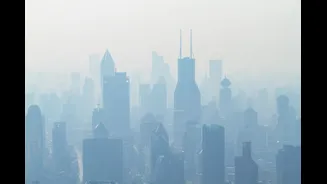
for the next sowing season. This smoke travels to the capital, adding a massive burden of pollutants to the air. Compounding this are local sources like vehicular emissions, which are a dominant polluter, industrial exhaust, and construction dust. The situation is made worse by meteorological conditions. In winter, cool, dense air gets trapped near the ground by a layer of warmer air above, a phenomenon known as temperature inversion. This acts like a lid, preventing pollutants from dispersing and allowing them to accumulate, creating the thick, hazardous smog that blankets the city.
From a Tickle to a Threat
That scratchy, irritable feeling in your throat is often the first warning sign that your body's defences are being overwhelmed by pollutants like PM2.5 — fine particles that can bypass your airways and lodge deep in your lungs. This irritation is more than just discomfort; it signifies the beginning of inflammation. Symptoms of a 'smog throat' typically include dryness and a persistent, non-productive cough, often accompanied by burning eyes or a stuffy nose. While many cases are mild, it is crucial to know when to seek medical help. A sore throat that is accompanied by difficulty breathing, wheezing, chest tightness, high fever, or the inability to speak a full sentence in one breath requires immediate medical attention.
Fortifying Your Home
Since you spend a significant amount of time at home, creating a 'clean air zone' is essential. Keep windows and doors closed, especially during early morning and late evening hours when pollution levels are at their peak. Using an air purifier with a High-Efficiency Particulate Air (HEPA) filter can significantly reduce indoor particulate matter. Place it in the room you use most, typically the bedroom, to ensure you’re breathing cleaner air while you sleep. Another simple but effective habit is to wet mop your floors instead of dry sweeping, as this traps dust particles instead of sending them back into the air. Finally, reduce indoor pollution sources by avoiding the use of incense sticks, mosquito coils, and ensuring your kitchen is well-ventilated during cooking.
Braving the Grey Outdoors
When stepping outside is unavoidable, taking precautions is key. The most important tool in your arsenal is a well-fitting N95 or N99 mask, which is designed to filter out fine PM2.5 particles. Cloth or surgical masks do not offer adequate protection. It's also wise to monitor the Air Quality Index (AQI) daily through apps and official websites. On days with 'Severe' or 'Very Poor' air quality, it is best to avoid outdoor exercise like running or cycling, as heavy breathing draws pollutants deeper into the lungs. If you must be outdoors, try to schedule your activities for the afternoon, typically between 1 PM and 3 PM, when smog levels are often lower due to sunlight.
Supportive Habits for Your Health
Beyond masks and purifiers, certain daily habits can help your body cope. Staying well-hydrated is crucial. Drinking plenty of warm water, soups, or herbal teas keeps the mucous lining of your airways moist, which helps your body's natural clearing mechanism function better. Gargling with warm salt water can also provide relief for a scratchy throat. Some nutritionists suggest incorporating antioxidant-rich foods and traditional drinks like Tulsi-ginger kadha or turmeric milk, which may help soothe irritation and support overall health. When you return home from being outside, it's a good practice to change your clothes and wash your hands and face to remove any settled particles.