



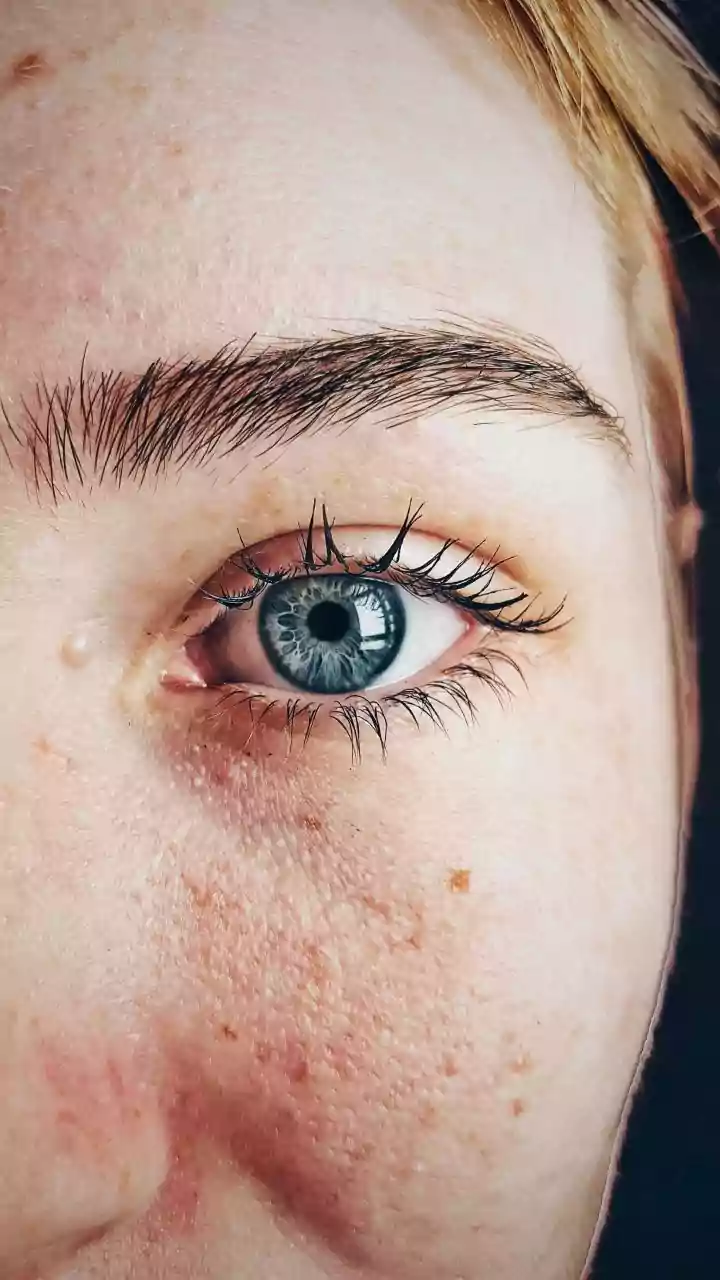




It’s a classic image of self-care: leaning back with two cool cucumber slices over your eyes. While this spa-day staple can feel wonderfully refreshing, it's a temporary fix, not a cure-all for every case of puffy or swollen eyes.
Why Cucumbers Feel So Good
There's a reason this
home remedy has stood the test of time. Chilled cucumbers act as a natural cold compress. The cool temperature helps constrict blood vessels, which can reduce the flow of fluid into the soft tissues around your eyes, temporarily decreasing puffiness. Cucumbers are also over 95% water, providing a hydrating effect to the thin skin of the eyelids. Furthermore, they contain antioxidants like vitamin C and flavonoids, which can help soothe skin and reduce irritation. This combination makes cucumbers a great quick fix for puffiness caused by a late night, crying, or a high-salt meal.
The Limits of This Home Remedy
The relief offered by cucumbers is largely superficial and temporary. They can soothe puffiness from minor, short-term causes, but they do not treat the underlying reasons for persistent or severe swelling, known medically as periorbital edema. While they feel good, cucumbers cannot address infections, resolve chronic allergies, or fix systemic health issues. Relying on them for a problem that lasts more than a couple of days can mean you’re ignoring a condition that requires proper medical diagnosis and treatment.
What Persistent Swelling Could Mean
If eye swelling doesn't go away, it's your body’s way of signaling that something more is going on. There are numerous potential causes for persistent periorbital edema. Allergies to pollen, dust, or pet dander are a common culprit, triggering a histamine response that causes fluid to leak into tissues. Infections are another major cause, ranging from conjunctivitis (pink eye) to more serious skin infections like periorbital cellulitis, which affects the eyelid and surrounding skin. Chronic conditions like blepharitis, which is inflammation of the eyelid, can also lead to ongoing puffiness. In some cases, persistent swelling around both eyes can be a sign of a body-wide issue, such as thyroid disease, kidney problems, or heart conditions that cause fluid retention.
Red Flags: When to See a Doctor
While a little morning puffiness that resolves quickly is usually nothing to worry about, certain symptoms accompanying eye swelling warrant immediate medical attention. You should see a doctor if you experience any of the following: the swelling is severe, sudden, or lasts for more than 48 hours without improvement. Pain in or around the eye is another significant warning sign. Any changes to your vision, such as blurriness, double vision, or increased sensitivity to light, should be evaluated promptly. Other red flags include a fever, the feeling of something being stuck in your eye, difficulty opening the eye completely, or a bulging appearance. These can be signs of a serious infection or condition that could threaten your vision if left untreated.