
The Secret Behind Its Earthy Flavour
That distinctive taste often described as 'earthy' is no accident. It comes from an organic compound called geosmin, the same substance responsible for the pleasant scent in the air after a summer rain. The human nose is incredibly sensitive to geosmin, which
is why beetroot’s flavour is so pronounced. While some people adore this taste, others find it a bit strong. The key is knowing how to balance it. Pairing beetroot with acidic ingredients like lemon juice, vinegar, or even tart fruits can brighten its flavour and cut through the earthiness. Dairy products like yogurt or paneer also work wonders in mellowing its profile, which is why a simple beetroot raita is such a classic. For those who enjoy the earthy notes, spices like cumin and coriander can actually help to emphasize them.
A Splash of Natural, Vibrant Colour
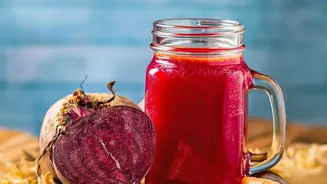
Beetroot's stunning crimson hue comes from pigments called betalains. This natural colouring is so potent that it is commercially extracted and used as a food dye. In the home kitchen, this vibrant colour can be a playful and healthy way to transform dishes. Imagine pink parathas or a brilliantly coloured beetroot hummus. To harness its colouring power, you can add grated or puréed beetroot to doughs, batters, and rice dishes. A key tip to preserve this colour is to manage heat and acidity. Betalains are sensitive to high heat, so adding beetroot towards the end of cooking can help maintain its vibrancy. A little bit of acid, like a squeeze of lime, not only balances the flavour but also helps stabilize and brighten the red pigment, preventing it from turning brownish.
Mastering Its Versatile Texture
Beetroot's texture is not one-size-fits-all; it changes dramatically depending on how you cook it. Eaten raw and thinly sliced or grated, it provides a firm, crisp crunch perfect for salads. When boiled, it becomes soft and tender, ideal for curries or blending into soups. However, roasting is arguably where beetroot truly shines. The dry heat caramelizes its natural sugars, intensifying its sweetness and creating a texture that is simultaneously firm, dense, and melt-in-your-mouth. To get the best results from roasting, wash the beets, wrap them in foil, and bake until tender. The skins will slip off easily once they've cooled. This method locks in the flavour and nutrients far better than boiling, which can cause some goodness to leach into the water.
Beyond the Usual Sabzi and Salad
In Indian cuisine, beetroot is already a beloved ingredient in dishes like poriyal, a South Indian stir-fry, or a simple sabzi. But its potential goes much further. Grated beetroot mixed with mashed potatoes and spices makes for a delicious and visually striking tikki or cutlet. You can blend it into a tangy chutney with coconut and tamarind or pickle it for a zesty accompaniment to any meal. For a modern twist, try adding puréed beetroot to your dosa or idli batter for a colourful and nutritious breakfast. It can also be the star of a hearty soup or a rich, sweet halwa, where it is cooked down with milk, sugar, and ghee.
A Nutritional Powerhouse
Beyond its culinary attributes, beetroot is packed with essential nutrients. It is a great source of fibre, folate, potassium, and iron. The vibrant pigments, betalains, are not just for show; they are powerful antioxidants that help protect the body's cells from damage. Beets are also rich in nitrates, which the body converts into nitric oxide. This compound helps relax blood vessels, which can improve blood flow and support heart health. So, while you're enjoying its flavour, colour, and texture, you're also giving your body a significant nutritional boost.