




Why 'Double-Carbing' Got a Bad Rap
The primary concern around eating two carbohydrate-rich foods at once—like pasta with a side of garlic bread, or the beloved Indian combination of rice and roti—is its impact on blood sugar. Carbohydrates break down into glucose (sugar) in our body for
energy. Consuming a large amount of carbs in one sitting, especially refined ones, can cause a rapid spike in blood sugar levels. This triggers a significant release of insulin to manage the sugar, and over time, frequent spikes can contribute to energy crashes, cravings, and potentially hinder weight management goals by promoting fat storage when the energy isn't used. For individuals managing conditions like diabetes or insulin resistance, this sharp rise can be particularly problematic.
The Secret to a Balanced Plate
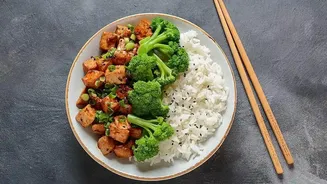
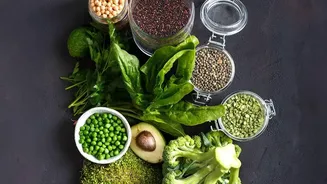
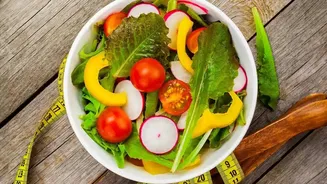
The key to making a double-carb meal work isn't about avoiding carbs, but about what you eat with them. The principle is called food pairing, which aims to slow down the digestion and absorption of carbohydrates to prevent a sharp blood sugar spike. The two heroes of this story are protein and fibre. Both take longer to digest than simple carbohydrates. When you include a source of lean protein (like chicken, fish, dal, or tofu) and fibre-rich vegetables with your meal, you effectively buffer the impact of the carbs. These nutrients help you feel fuller for longer and promote a more gradual release of sugar into the bloodstream, leading to more stable energy levels.
Smart Strategies for Enjoying Your Carbs
Enjoying two carbs occasionally is about being strategic, not restrictive. First, pay attention to portion sizes. Instead of a large serving of both, have a smaller portion of each. For example, if you're having dal, rice, and roti, take a smaller amount of rice and one roti instead of several. Second, choose your carbs wisely. Opt for complex, high-fibre carbohydrates whenever possible, such as brown rice, whole-wheat roti, or whole-grain bread. These are digested more slowly than their refined white counterparts. Finally, always balance the plate. A good rule of thumb is the Diabetes Plate Method, which can be useful for anyone: fill half your plate with non-starchy vegetables, one-quarter with lean protein, and the remaining quarter with your carbohydrate sources.
Putting It Into Practice
So, what does a balanced double-carb meal look like? Think of a classic thali. You might have a small portion of rice and one roti. The key is that they are served alongside a protein-packed dal or lentil soup, a generous serving of cooked vegetable sabzi (fibre), and perhaps a side of yoghurt (protein and fat). Another example could be a sandwich made with whole-wheat bread and a filling that includes potatoes. To balance it, ensure the filling also includes protein like chickpeas or paneer and serve it with a large side salad instead of fried chips. The goal is to view the carbohydrates as one component of a complete, nutrient-diverse meal, rather than the entire focus of it.