



The Case for Zumba: Structured Fun
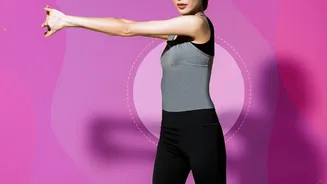
Zumba is a high-energy dance fitness program that fuses Latin and international music with aerobic moves. In a typical class, an instructor leads you through choreographed routines that feel more like a party than a workout. The structure is its strength;
you don't have to think about what comes next, you just follow along. This format is great for those who thrive on group energy and motivation. Classes are designed to be an effective full-body workout, alternating between high- and low-intensity intervals. This approach not only burns calories but also improves cardiovascular endurance. Because it's a guided experience, it's highly accessible for all fitness levels, with instructors often providing modified moves for beginners or those with physical limitations.
The Case for Roller Skating: Freestyle Freedom
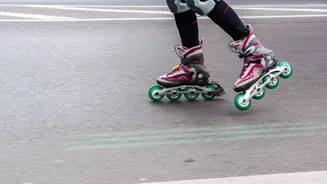
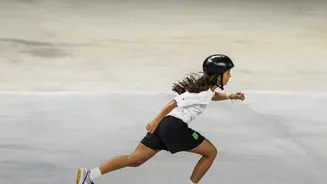
Roller skating offers a different kind of rhythmic joy—one based on flow and freedom. Whether you're at an indoor rink or gliding along an outdoor path, skating is about finding your own pace. The feeling is less about choreographed steps and more about the smooth, repetitive motion that can be meditative and stress-reducing. This activity provides a fantastic low-impact aerobic workout, meaning it's easier on your joints than high-impact exercises like running. A study from the University of Massachusetts found that skating causes less than half the impact shock to joints compared to running. It’s an exercise in disguise, offering a sense of play and nostalgia that makes you forget you're working out.
Comparison: The Physical Payoff
Both activities provide excellent cardiovascular benefits. When it comes to calories, the burn rate is comparable, though it depends heavily on intensity. An hour of moderate-to-high intensity Zumba can burn between 300 and 900 calories. Similarly, an hour of moderate roller skating can burn around 330 to 600 calories, depending on your pace and effort. In terms of muscle engagement, roller skating is a powerhouse for the lower body, extensively working the glutes, quads, hamstrings, and calves. It's also a fantastic core workout, as your abdominal and lower back muscles work constantly to maintain balance. Zumba provides a more comprehensive, all-over workout, engaging your core, legs, and arms through its varied dance moves.
Comparison: The Learning Curve and Cost
Zumba has a very low barrier to entry. You don't need any special equipment besides comfortable workout clothes and athletic shoes. The cost is typically a per-class or gym membership fee. Roller skating requires a bigger upfront investment: a pair of skates (quad or inline) and essential safety gear like a helmet, wrist guards, and knee pads. The learning curve for skating is also steeper. While beginners often find quad skates more stable, mastering balance and stopping takes practice. In contrast, you can jump into a Zumba class and follow along immediately, regardless of your coordination level.
Comparison: The Social Scene
Your preference for social settings might be the deciding factor. Zumba is inherently a group activity. The classes foster a sense of community and shared energy, which can be highly motivating for many people. You show up, dance with a group, and leave. Roller skating can be whatever you want it to be. It can be a solo activity for clearing your head, a fun outing with a few friends, or a way to join a larger skating community at a local rink or park. The social aspect is more flexible and self-directed compared to the structured environment of a Zumba class.