



A Return to the Roots
A new wave of culinary creativity is sweeping across India, led by chefs who are looking past conventional supply chains and venturing into the wild. From the Himalayan foothills to the Western Ghats, kitchens are celebrating ingredients that can't be
found in a catalogue. This movement is about more than just novelty; it's a reconnection with food at its most primal level. Chefs speak of understanding ingredients in their true environment and tapping into the generational knowledge of indigenous and agrarian communities. For these communities, foraging isn't a trend but a way of life, a source of nutrition and livelihood that has been practised for centuries. By bringing these ingredients to the fine-dining table, chefs are not only expanding diners' palates but also honouring India's immense biodiversity and culinary heritage.
A Taste of the Wild
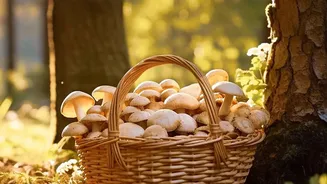
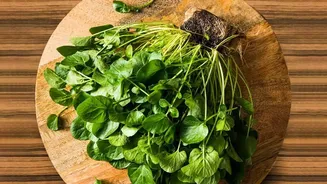
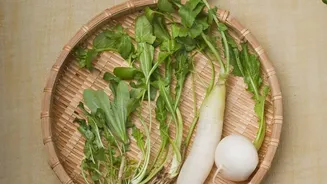
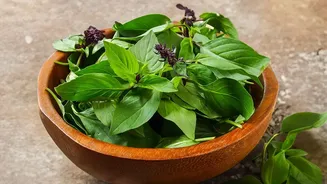
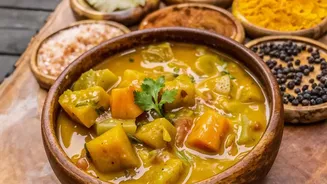
The flavours being unearthed are as diverse as India's landscapes. In the Himalayas, chefs are using the citrusy tang of sea buckthorn and the garlicky notes of the high-altitude herb skotse. In Maharashtra, the monsoon brings takla, a slightly bitter wild green, and the dragon stalk yam, known locally as shevli. Restaurants are experimenting with everything from mahua flowers in desserts to pickles made from kachri, a wild melon from Rajasthan. Chef Vanika Choudhary of Mumbai's Noon uses foraged Kashmiri morels and fiddlehead ferns, ingredients from her childhood. Meanwhile, others have discovered the unique properties of timru pepper in Uttarakhand and the variety of wild mushrooms and ferns available in the forests of the Western Ghats. These ingredients bring stories, medicinal properties, and above all, flavours that are uniquely tied to their specific place of origin.
The Responsibility on the Plate
However, the excitement around foraged foods comes with a significant responsibility. The headline-grabbing appeal can quickly turn into a hype-driven trend, threatening the very ecosystems these ingredients come from. The goal is to celebrate, not commercialise without conscience. True sustainable foraging is about building meaningful relationships with local foragers and tribal communities who hold the ancestral knowledge. Chefs and proponents stress the need to give credit and ensure that these communities, who have been stewards of the land for generations, are not sidelined. The practice must be a win-win, where anything sourced for restaurants is harvested in abundance and doesn't take away from the local community's nutritional resources. It's a delicate balance between showcasing heritage and protecting it from over-extraction.
Rules for Responsible Gathering
Foraging ethically is a discipline governed by strict, non-negotiable rules. The first and most critical is to harvest sustainably. A widely accepted guideline is to take no more than 20-25% of what is available in a given patch, ensuring the plant population can recover. This means never uprooting a whole plant unless you know it's appropriate and leaving plenty for wildlife and other foragers. Another key principle is to avoid harvesting from contaminated areas like roadsides, agricultural canals, or places where pesticides may have been used. It's also crucial to know the law; foraging is not permitted in many protected areas like national parks. Above all, the practice demands respect for the land, the wildlife, and the indigenous traditions that have kept this knowledge alive.
Identification Is Everything
Beyond sustainability, the single greatest risk in foraging is misidentification. There is no room for error. Many delicious wild edibles have poisonous look-alikes that can cause severe illness or even death. For instance, the beautiful Rosary Pea seed (Abrus precatorius), while sometimes used in jewellery, contains abrin, one of the most lethal plant toxins known. The Indian Himalaya is home to numerous toxic plants, and even common-looking flowers or leaves can be dangerous if ingested. Experts warn that you should never, ever consume a plant unless you have identified it with 100% certainty, preferably with the help of an experienced local guide or multiple reliable field guides. Trusting a phone app or a single photo is a dangerous gamble. The difference between a delicacy and a danger can be almost invisible to the untrained eye.