



A Stepping Stone to Global Recognition
Before a site can be crowned a UNESCO World Heritage Site, it must first be placed on a country's 'Tentative List'. Think of this as a shortlist of candidates that a nation believes have 'outstanding universal value'. Getting on this list is a crucial
first step, requiring extensive documentation and research. Recent news confirms that India has added several new sites, with a noteworthy emphasis on places that tell the story of our planet's deep past.
Meet the New Geo-Contenders
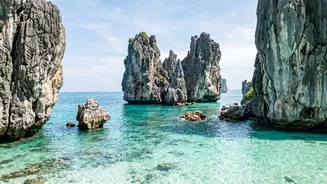
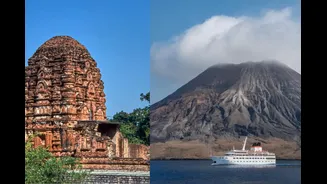
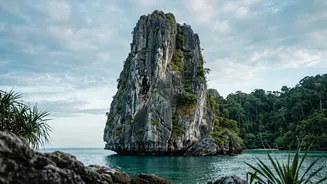
Among the most exciting new entries are two sites from the Andaman and Nicobar Islands: the Karst-Mud-Volcano Complex of Baratang and the Andaman Subduction Volcanoes. Baratang Island is famous for its unique limestone caves and mud volcanoes—formations that spew gas and mud instead of lava. The subduction volcanoes site includes Barren Island, home to South Asia's only active volcano, and the dormant Narcondam Island. These sites are not just beautiful, they are living laboratories of Earth's geological processes. The Geological Survey of India has already recognised the significance of these locations, declaring them Geo-Heritage Sites.
Why the Focus on Geo-Heritage?
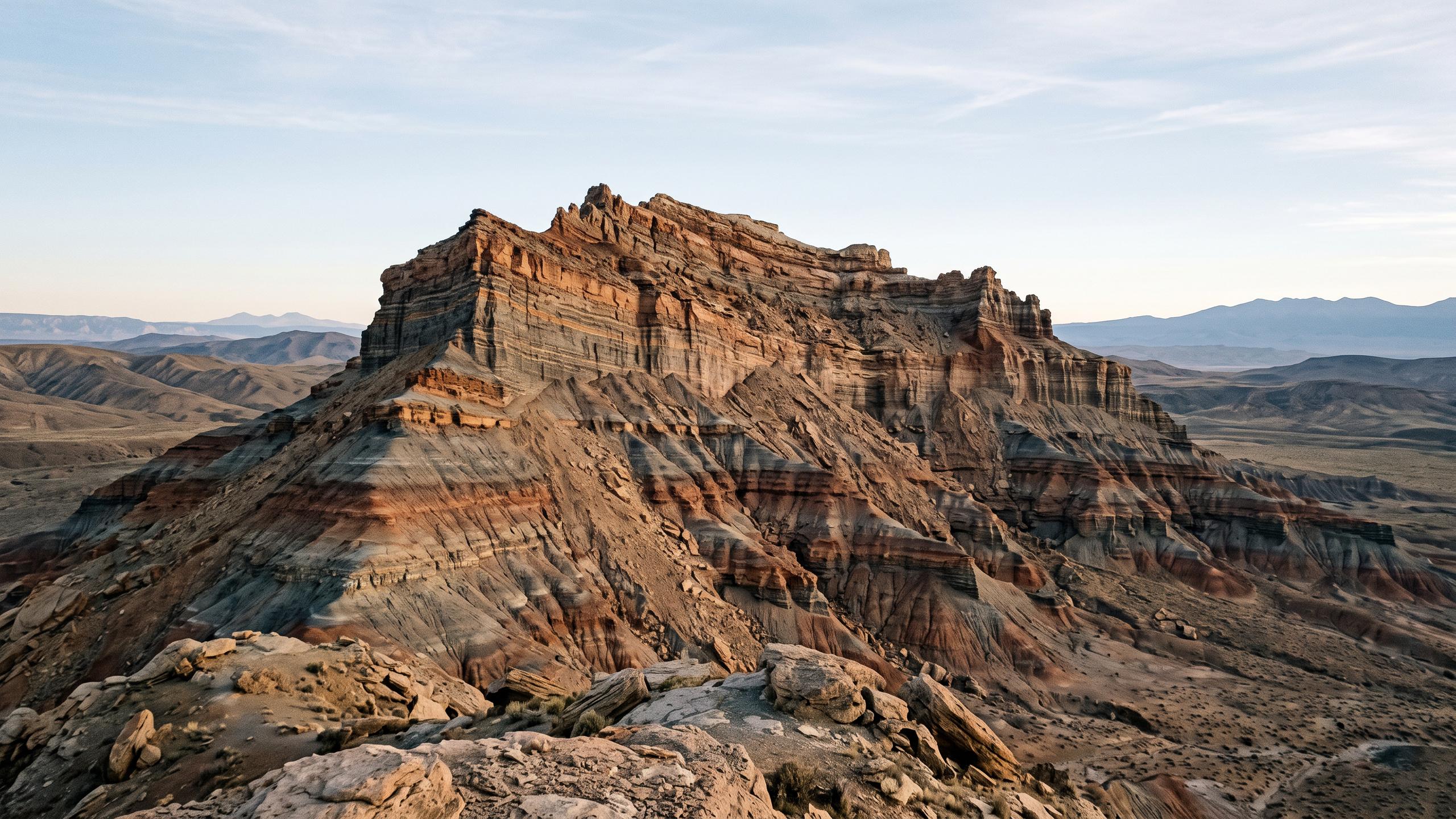
The inclusion of these geological sites marks a deliberate strategy to diversify India's heritage portfolio. For years, India's UNESCO list has been dominated by cultural sites. Now, there is a growing recognition of 'geo-heritage'—the parts of our natural environment that have exceptional scientific and educational value. These sites are a physical record of millions of years of planetary evolution, from the formation of continents to the effects of climate change. By promoting them, India is showcasing a different, more ancient side of its story and joining a global movement to protect these irreplaceable natural assets.
More Than Just Rocks and Mud
The value of these sites extends beyond science. They are crucial for education, allowing students and researchers to witness geological processes firsthand. They also hold immense potential for sustainable tourism. A UNESCO Global Geopark designation, which these sites could eventually pursue, is specifically designed to use geological heritage to create economic opportunities for local communities through geotourism. This model focuses on a bottom-up approach, empowering local people to become custodians of their environment while benefiting from it economically. This has been a successful strategy in many countries, and India could see similar benefits.
A Legacy of Earth's History
This trend isn't entirely new but is gaining momentum. Other geological wonders, such as the Lonar Crater in Maharashtra and the Bhedaghat-Lameta Ghat in Madhya Pradesh's Narmada Valley, have also been on the tentative list. The Narmada Valley site, for example, is where the first dinosaur fossils in India were discovered in 1828. These sites preserve not just geological features but also evidence of ancient life. The push to get them recognised by UNESCO is a push to preserve the very memory of our planet, written in stone. It acknowledges that heritage is not just what humans have built, but also the world we were given.