






What is Environmental AI?
At its core, Environmental AI is the application of artificial intelligence to solve complex environmental challenges. Think of it as a high-tech brain capable of processing vast amounts of data from satellites, drones, and ground sensors far beyond human
capacity. By identifying patterns, making predictions, and offering insights, AI can transform how we monitor and manage our natural world. This isn't about futuristic robots; it's about using established AI techniques like machine learning and computer vision to address urgent, real-world issues like air quality, deforestation, and water scarcity.
From Data to Action
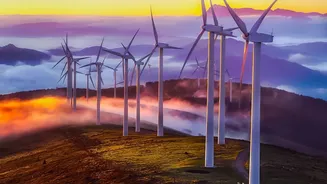
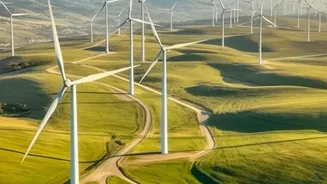
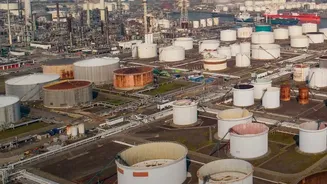
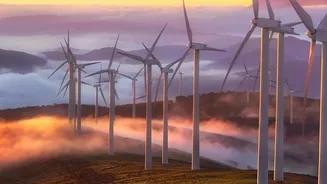
The true power of Environmental AI lies in its ability to turn raw data into actionable intelligence. For instance, AI algorithms can analyze climate models to predict extreme weather events like floods and droughts with greater accuracy, giving communities more time to prepare. In the energy sector, AI can optimize power grids, ensuring that electricity from renewable sources like solar and wind is used more efficiently, which helps reduce our reliance on fossil fuels. It can also pinpoint methane leaks, a potent greenhouse gas, from industrial sites or track illegal deforestation in real-time using satellite imagery, allowing for rapid intervention. These applications move us from simply observing environmental problems to actively predicting and mitigating them.
Tackling India's Climate Challenges
For India, the potential applications are immense and specific. With air pollution being a major concern in many cities, AI can provide hyper-local air quality predictions and identify pollution hotspots that need immediate attention. In a country where water is a precious resource, AI can forecast demand, detect contamination, and optimize distribution networks to prevent scarcity. It also holds promise for agriculture, a sector that employs a massive portion of the population. AI-driven insights can help farmers adapt to changing weather patterns, use water more efficiently, and improve crop yields, building resilience against climate shocks. Companies are already using AI to monitor emissions and manage waste, helping them comply with environmental regulations.
Inside the Student Workshop
This is where the new wave of student workshops comes in. These programs are designed to equip young minds with the skills needed to become climate problem-solvers. Participants aren't just learning abstract theories; they are getting hands-on experience with Python libraries, machine learning models, and data analysis techniques. A typical workshop might guide students through building an AI model to track pollution from satellite images or predict cyclone intensity using meteorological data. The focus is on practical application, encouraging students to identify a local environmental issue and develop a tangible, AI-driven project to address it. These courses bridge the gap between computer science and environmental science, fostering a new, interdisciplinary skill set.
The Dark Side of the Digital Boom
While AI offers incredible promise, it's important to acknowledge its own environmental footprint. The data centers that power AI are massive consumers of electricity and water, contributing to carbon emissions and resource depletion. The manufacturing of the specialized computer hardware requires mining for minerals, which can lead to environmental degradation and electronic waste. As such, a critical component of these workshops is teaching responsible AI. Students learn not only how to build effective models but also how to do so ethically and sustainably, considering the energy consumption and life cycle of their technological solutions. The goal is to ensure that the solutions don't inadvertently create new environmental problems.