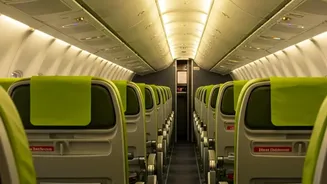






It’s a sinking feeling familiar to many travellers: you’ve just stepped off the plane, and you realise your phone, headphones, or passport is still in the seatback pocket. Your first instinct is to turn around, but you can't. Here’s why.
An Invisible Security Barrier
The primary reason
you can't simply walk back onto an aircraft is security. Once you deplane and exit into the terminal, you have left what's known as the 'sterile area'. Airports are designed with a one-way flow of passengers for a reason. Allowing passengers to re-enter the aircraft after they have officially disembarked would breach strict security protocols. Aviation authorities maintain a precise count of who is on an aircraft at all times. Once you are logged as 'off', letting you back on complicates this process and creates a potential security loophole, as it becomes difficult to track who has had access to what. Security staff need to ensure the cabin is clear before the next flight, and unscheduled re-entry by passengers makes that impossible.
A Race Against the Clock
The second major factor is time. Airlines operate on incredibly tight schedules, and the period between one flight landing and the next one taking off—known as the 'turnaround'—is a highly choreographed operation. The moment the last passenger gets off, cleaning crews, caterers, maintenance staff, and refuelling teams swarm the aircraft to prepare it for its next journey. Allowing a passenger to go back against the flow of deplaning crowds, or to search for an item while crews are working, causes significant delays. Even a delay of a few minutes can have a ripple effect, potentially causing the aircraft to miss its takeoff slot, which in turn can lead to a cascade of delays across the airline’s network for the rest of the day.
The Crew Has Other Duties
While flight attendants are helpful, their responsibilities don't end when the plane lands. Their primary duties post-flight involve ensuring all passengers disembark safely, conducting their own security checks of the cabin, and preparing the aircraft for handover to the ground or next flight crew. Their procedures are regulated and time-sensitive. Stopping their post-flight checklist to help an individual passenger look for a lost item interrupts this crucial workflow. It’s not that they don't want to help, but their priority is to keep the operation moving safely and on schedule.
What You Should Do Instead
The moment you realise you've left something behind, time is of the essence. Do not leave the gate area. Immediately speak to the gate agents who handled your flight. They are in the best position to help, as they can contact the cabin crew or cleaning staff who are still on board. If a crew member can quickly locate the item, they may be able to bring it out to you. If you have already left the gate area and are at baggage claim or have exited the airport, your next step is to contact the airline's baggage service office or their dedicated lost and found department.
Filing a Lost Item Report
Nearly all major airlines, including American, Delta, and United, have online forms specifically for reporting items left on an aircraft. When you file a report, be as specific as possible. Include your flight number, date of travel, and seat number. Provide a detailed description of the item: brand, model, colour, size, and any unique identifying marks. For example, 'a black iPhone in a clear case with a small chip on the corner' is much more effective than 'a black phone'. Items found on planes are typically gathered by cleaning crews and handed over to the airline's ground staff, who log them into a system. If your item is found, the airline will contact you with instructions for retrieval, though you should expect to cover any shipping costs yourself.