



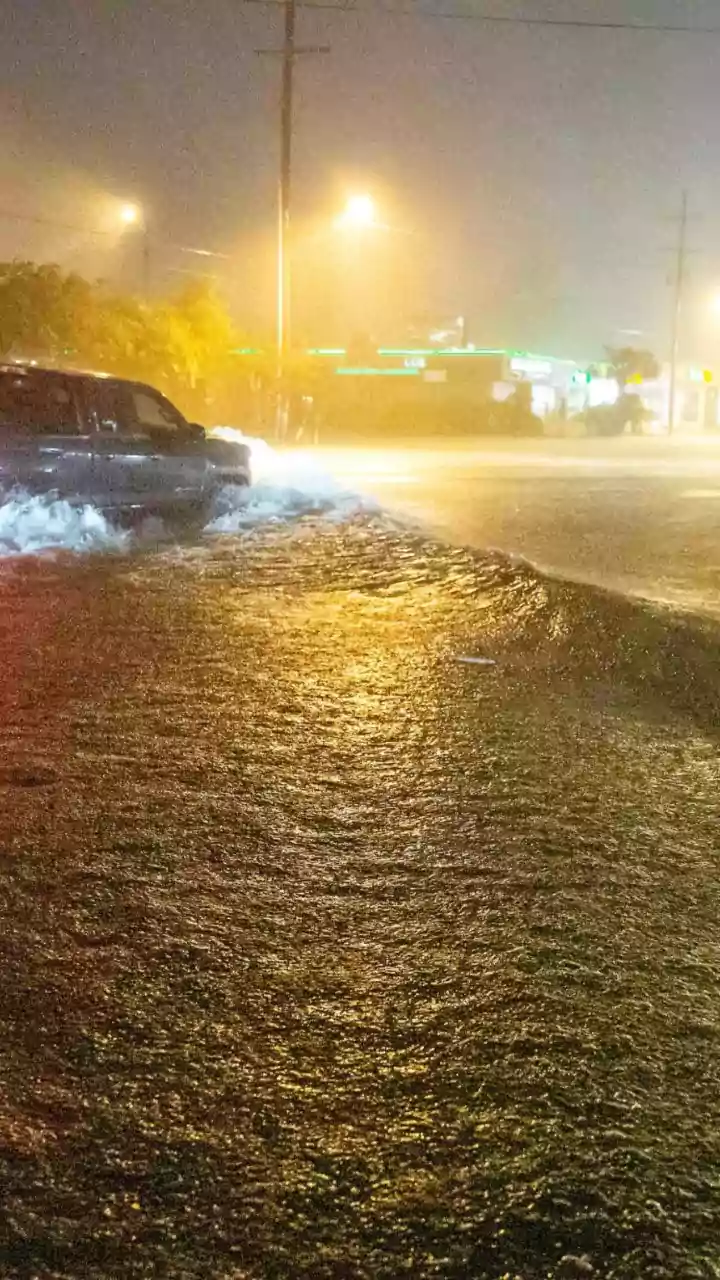





The Annual Monsoon Meltdown
It’s a scene every Indian commuter knows well. A few hours of heavy rain transform freshly paved roads into a landscape of craters. Arterial routes become waterlogged, turning daily commutes into multi-hour ordeals. Social media floods with images of submerged
cars, caved-in roads, and citizens pleading for accountability. This isn't a freak occurrence; it's an annual ritual. From Mumbai to Delhi and Bengaluru to Chennai, the monsoon consistently exposes the fragility of our urban infrastructure. Recent events in July 2026 saw sections of major national highways near Gurugram and on the Mumbai-Pune route become dysfunctional after heavy rain. Even newly constructed expressways have reported potholes and cave-ins after the first showers of the season. The rain doesn't create bad roads; it merely reveals them. This predictable chaos is the final, visible symptom of a system that fails long before the first drop of water falls.
Counting the Crores
The exact national figure for money washed away by failing infrastructure is hard to pin down, but individual instances paint a grim picture. In 2025, Himachal Pradesh alone estimated it needed over ₹3,000 crore to repair roads and bridges damaged by a single monsoon season. Just one year's monsoon damage to highways and bridges was estimated to cost nearly ₹1,200 crore to rebuild. This, however, is just the cost of reconstruction. The wider economic toll is staggering. According to estimates from the Ministry of Road Transport and Highways, road accidents—many caused by poor infrastructure like potholes—cost the Indian economy 3 to 5 percent of its GDP annually. In 2022 alone, potholes were officially blamed for over 4,400 accidents, resulting in 1,856 deaths. Add to this the cost of vehicle damage, lost productivity from traffic jams, and disrupted supply chains, and the financial drain amounts to trillions of rupees every year.
Why Does This Keep Happening?
The answer is a cocktail of corruption, poor planning, and a lack of accountability. Experts point out that the core problem is often not the rain, but what lies beneath the blacktop. A road's lifespan depends on its foundation and, most critically, its drainage system. In India, drainage is frequently inadequate or non-existent, allowing water to seep into the road's lower layers, weakening the structure from within. This engineering failure is compounded by systemic corruption. Studies on rural road projects show that political connections can influence who gets contracts, often leading to higher costs and poorer quality construction. Contractors may use substandard materials to cut corners, while a lack of stringent quality control and enforcement means they are rarely penalised. Reports by the Comptroller and Auditor General (CAG) have repeatedly flagged irregularities, from diversion of funds to building unnecessary roads while neglecting essential ones.
The Focus on Building, Not Maintaining
There is a deep-seated administrative bias towards new construction over routine maintenance. The budget for the Ministry of Road Transport and Highways for 2025-26 allocated a massive INR 2.87 trillion, but only about 2 percent of that was for maintenance and repairs. This create-and-forget approach means that even well-built infrastructure degrades over time. Roads are often dug up by various utilities without coordinated repair plans, further weakening them. In one telling instance, a CAG audit using AI found that a municipal corporation had approved recarpeting for five roads that were already in good condition, indicating a potential misallocation of funds that could have been used for genuinely damaged stretches. The focus remains on ribbon-cuttings for new projects rather than the unglamorous but essential work of ensuring existing assets last their full lifespan.
Is There a Way Out?
Breaking this cycle requires a fundamental shift in approach. Experts suggest several reforms, starting with accountability. Performance-based maintenance contracts (PBMCs), where contractors are paid for keeping a road in good condition for a set period, offer a promising model. This shifts the incentive from cheap construction to durable quality. Secondly, institutionalising independent, third-party audits and making the findings public can increase transparency and pressure officials and contractors to deliver. Finally, there's a need for an integrated approach to urban planning that prioritises drainage and climate resilience from the outset, rather than treating them as afterthoughts. Citizens, too, have a role. By understanding that they pay for roads multiple times—through road tax, fuel cess, and tolls—they can more forcefully demand quality and accountability from elected officials.