

The Solo Cooking Conundrum
If you live alone, you know the struggle well. You find an exciting recipe, but it serves six. You try to do the math, but end up with half a can of coconut milk and an awkward amount of chicken. This often leads to a fridge full of mismatched containers,
food that spoils before you can eat it, and money down the drain. Statistics show a significant amount of household food waste comes from these exact situations. Many people cooking for themselves get discouraged, resorting to expensive takeaways or monotonous frozen dinners simply to avoid the hassle. The core problem is that most culinary resources are designed for larger households, leaving the growing number of single-person households to fend for themselves.
Embracing the Half-Batch Mindset
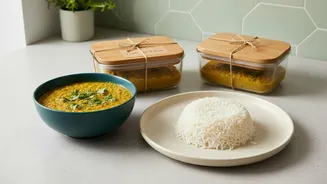
The solution is to adopt a 'half-batch' mindset. This is more than just blindly dividing every ingredient by two. It’s a strategic approach to scaling down recipes to create one or two perfect portions. It means understanding which recipes are forgiving and which are not, and planning your shopping to minimize leftover raw ingredients. By cooking smaller amounts, you free yourself from the tyranny of leftovers, reduce waste, and gain the flexibility to cook what you actually crave each night. A half-batch approach to a soup or stew might yield a satisfying dinner and a single packed lunch for the next day—a manageable and practical outcome.
The Rules of Reduction
Not all recipes are created equal when it comes to scaling. Soups, stews, chilis, casseroles, and simple pasta dishes are incredibly forgiving. Halving the ingredients in a bolognese sauce will almost always work out fine. However, baking is a different story. Baking is chemistry, where ratios of fat, flour, sugar, and leavening agents are precise. Halving a cake recipe can lead to disaster because the moisture evaporates too quickly from the smaller volume, resulting in a dry, dense product. When reducing a baking recipe, it's often safer to find a recipe specifically developed for a small batch. Also, be mindful of pan size; cooking a half-recipe in a full-size pan will cause it to spread too thin and overcook.
Navigating Awkward Ingredients
The most common hurdle in halving a recipe is the dreaded single egg. How do you use half an egg? The answer is simple: crack the egg into a small bowl, whisk it until the yolk and white are completely combined, and then measure out half of the liquid, which is typically about two tablespoons. The leftover egg can be saved for scrambling the next morning. For potent spices or leavening agents like baking soda, it's wise to use slightly less than half when scaling down, then taste and adjust if possible. When it comes to produce, shop at stores that allow you to buy items individually rather than in pre-packaged bags. Using bulk bins for spices, nuts, and grains is another great way to buy only what you need.
Planning for Success
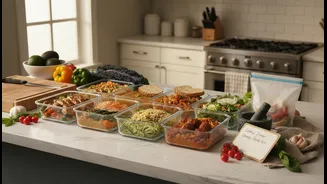
A half-batch strategy works best within a flexible meal plan. Instead of rigidly planning every meal, think in terms of overlapping ingredients. If you buy a bunch of coriander for a curry, plan to use the rest in tacos or a salad later in the week. The freezer is your best friend. Freeze the other half of that chicken breast, portion out leftover sauce in an ice cube tray, and store half a loaf of bread to prevent it from going stale. Investing in smaller cookware, like a small skillet or a 2-quart saucepan, can also make a huge difference, helping to control portions and ensure even cooking. By combining smart planning with the half-batch technique, you create a cooking system that is efficient, economical, and enjoyable.