



The Land: Desert Plains vs Mountain Peaks
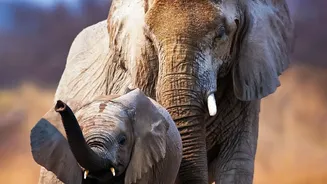
Gujarat's landscape is a study in grand, sweeping plains. Its most iconic feature is the Great Rann of Kutch, a vast salt marsh that transforms into a surreal, shimmering white desert under the moonlight. This is a land of dramatic horizons, also home
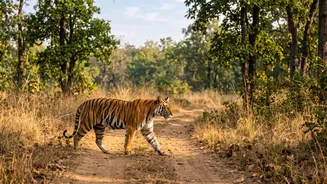
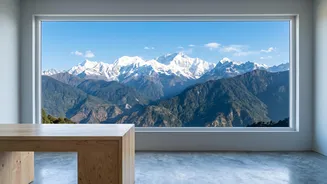
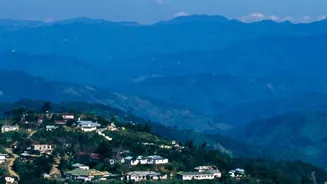
to Gir National Park, the last remaining natural habitat of the Asiatic lion in the world. The state's scenery extends from these arid landscapes to the lone hill station of Saputara, offering a wide, expansive feel. In stark contrast, Darjeeling is defined by its verticality. Nestled in the Eastern Himalayas, its identity is tied to the colossal peaks that form its backdrop. The primary draw is the breathtaking view of Kanchenjunga, the world's third-highest mountain, especially at sunrise from Tiger Hill. Instead of wide-open plains, Darjeeling offers rolling tea plantations that cascade down steep hillsides, dense forests of rhododendron and pine, and winding mountain roads that promise a new vista at every turn.
The Culture: Ancient Heritage vs Colonial Charm
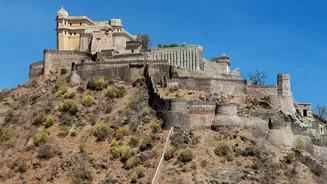
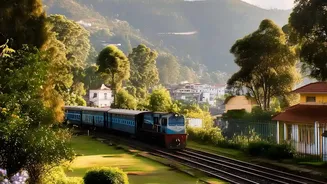
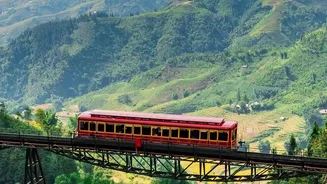
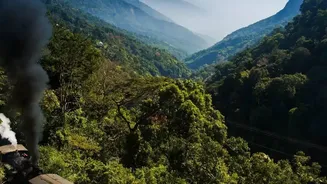
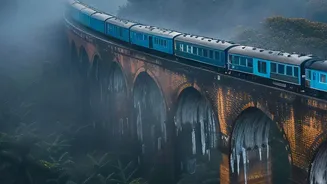
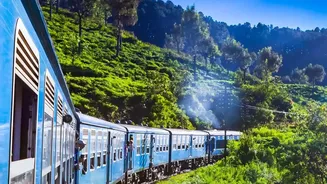
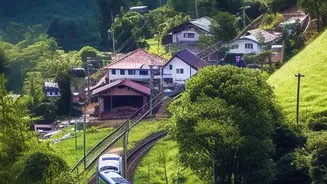
A journey through Gujarat is a journey through time. The state is dotted with sites of immense historical and religious significance, from the ancient Harappan city of Dholavira, a UNESCO World Heritage site, to sacred pilgrimage towns like Dwarka and Somnath. Its cities, like the UNESCO-listed Ahmedabad, are a blend of Indo-Saracenic architecture, bustling traditional markets, and sites central to India's independence movement, like Sabarmati Ashram. The culture is vibrant and expressive, best seen during the nine-night Navratri festival, filled with Garba and Dandiya dances. Darjeeling’s cultural fabric is woven from different threads. It carries a strong colonial-era legacy, evident in its architecture, the iconic Darjeeling Himalayan Railway (the 'Toy Train'), and the layout of the town itself. This is layered with a rich blend of Nepali, Tibetan, and Bengali influences. Monasteries like the one at Ghum, one of India's highest railway stations, offer tranquil spiritual encounters, while the town's heart, the Chowrasta (Mall Road), is a hub of social activity against a mountain backdrop.
The Pace: A Journey of Discovery vs A Journey of Contemplation
Travel in Gujarat is often about discovery and exploration. It’s a destination for road trips, connecting diverse sites from the Statue of Unity, the world's tallest statue, to the intricate stepwell of Rani ki Vav. A trip here can feel like a grand tour, covering wildlife safaris, heritage walks, and explorations of artisan villages known for their unique textiles and handicrafts. It’s a place that encourages movement and covering ground to appreciate its sheer diversity. Darjeeling invites a slower, more contemplative pace. The journey itself is a key part of the experience, epitomized by the leisurely pace of the Toy Train as it winds its way up the hills. Life here revolves around simpler pleasures: sipping world-renowned Darjeeling tea at a local estate, taking gentle treks through forests, or simply sitting and watching the mist roll over the mountains. It's a destination that encourages you to stay put, to breathe in the crisp mountain air, and to soak in the serene atmosphere.
The Palate: A Vegetarian Feast vs Himalayan Comforts
Gujarati cuisine is one of India's most distinctive, famous for its predominantly vegetarian fare that masterfully balances sweet, spicy, and savory notes. A traditional Gujarati thali is a must-try, offering a dazzling array of dishes like dhokla (steamed lentil cake), kadhi (a yogurt-based soup), various shaak (vegetable preparations), and farsan (snacks). Darjeeling's food, on the other hand, is all about warm, hearty, Himalayan comfort. Influenced by its proximity to Tibet and Nepal, popular dishes include momos (steamed dumplings) and thukpa (a nourishing noodle soup). The food is designed to be warming and satisfying in the cool mountain climate, offering a completely different but equally delicious culinary experience.