




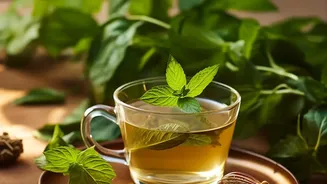
Peppermint Tea: Nature's Air Conditioner
There's a reason peppermint is a popular flavour during summer. It contains menthol, a compound that creates a cooling sensation in the body. This makes a cup of peppermint tea, whether hot or iced, feel incredibly refreshing on a sweltering day. Beyond
its cooling effect, peppermint tea is a caffeine-free beverage that contributes to your daily fluid intake, helping to prevent dehydration. It's also well-regarded for its ability to aid digestion, potentially easing symptoms like bloating and indigestion that can feel worse in the heat. Its naturally calorie-free profile makes it a healthy substitute for sugary sodas and juices, supporting overall wellness while you cool down. The simple act of sipping a minty brew can also promote relaxation and mental clarity on a hot, draining day.
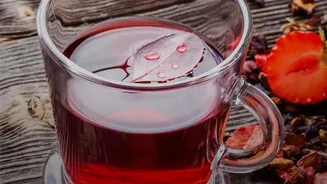
Hibiscus Tea: The Ruby-Red Refresher
Vibrant and tart, hibiscus tea is a traditional go-to beverage in many tropical and subtropical cultures for combating heat. Often called 'Jamaica' in Latin America, this ruby-red infusion is known for its 'refrigerant' or cooling properties, helping to lower body temperature. It is naturally hydrating and has a diuretic effect, which helps the body flush out excess heat and fluids. Rich in Vitamin C and antioxidants, hibiscus tea supports the immune system and offers anti-inflammatory benefits, which can be particularly soothing when your body feels overheated and stressed. Its flavour is often compared to cranberries, making it a delicious and thirst-quenching option that can be enjoyed hot or, more popularly in summer, as a chilled iced tea. Some find its slightly sour taste particularly invigorating in warm weather.
Lemongrass Tea: A Citrusy Cool-Down
With its light, zesty lemon flavour, lemongrass tea is another excellent choice for warm weather. The herb contains a compound called citral, which contributes to its refreshing aroma and taste, providing a sensory cooling effect that rejuvenates the palate. While it can be enjoyed warm, an iced lemongrass tea feels exceptionally revitalising. Traditionally, it is used to aid digestion and soothe stomach issues like bloating and indigestion. Lemongrass is also packed with antioxidants and has anti-inflammatory properties that contribute to overall well-being. As a caffeine-free option, it helps with hydration and can be consumed throughout the day to keep you feeling fresh and balanced. Some Ayurvedic traditions also recognise lemongrass for its ability to help regulate body temperature.
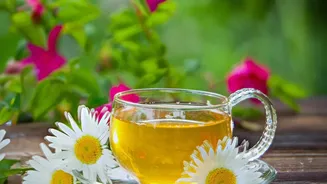
Chamomile Tea: The Soothing Summer Sip
While famous for its calming properties and as a sleep aid, chamomile tea is also a surprisingly effective summer beverage. It can be brewed and then chilled to create a refreshing iced tea, often blended with lemon or berries for a fruity twist. Chamomile has anti-inflammatory properties that can help soothe the body, which is beneficial when dealing with heat-related irritations like rashes or general discomfort. Though it doesn't have the same overt cooling sensation as mint, its ability to calm the nervous system can help the body better cope with the stress of high temperatures. It's a gentle, caffeine-free way to stay hydrated and relaxed, making it a perfect drink for unwinding on a warm evening.
Rose Tea: A Floral and Fragrant Choice
Rose tea, made from dried rose petals and buds, is another herb traditionally considered to have cooling effects on the body. In many traditional medicine systems, including Ayurveda, rose is used to soothe internal heat and calm the mind. The tea is naturally caffeine-free and hydrating, making it an excellent replacement for sugary drinks. It is also rich in antioxidants and Vitamin C, which can boost the immune system and promote healthy skin — a welcome benefit when the sun is at its strongest. The delicate, floral flavour is both subtle and refreshing, offering a unique and elegant way to stay cool and hydrated during the hot months. It can be enjoyed on its own or used to make a fragrant iced tea.