



More Than Just a Pot
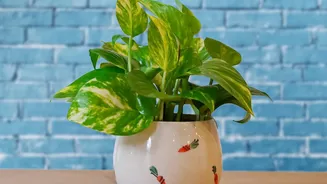
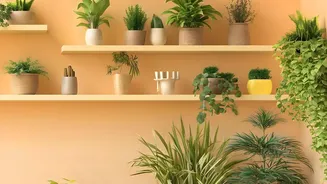
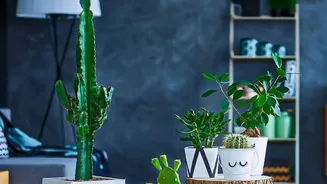
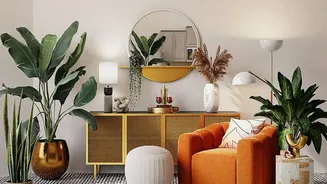
Choosing a planter is a key design decision. Ceramic planters, with their endless variety of colours, textures, and shapes, act as a bridge between your plant and your room's decor. A sleek, geometric pot can complement a modern, minimalist space, while
a rustic, hand-painted ceramic planter might be perfect for a bohemian or traditional room. The right planter doesn't just hold a plant; it integrates it into your home's aesthetic. Think of the pot as the frame for your living artwork. Its colour can create a bold contrast or harmonize with your palette, while its texture can add a new layer of depth to your decor. Because they are heavier than plastic, ceramic planters also provide stability for taller or top-heavy plants, preventing accidental tips.
The Undeniable Importance of Drainage
Here is the critical truth for almost all indoor plants: drainage is not optional. When water has nowhere to go, it saturates the soil at the bottom of the pot, filling the air pockets that roots need to breathe. This oxygen deprivation leads to root rot, a condition that is often fatal to houseplants. Proper drainage holes allow excess water to escape, preventing a waterlogged environment that can also attract pests like fungal gnats. A planter with good drainage makes your watering routine more forgiving and is the single best way to prevent the most common cause of houseplant demise.
Glazed vs. Unglazed: A Key Difference
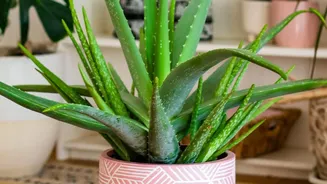
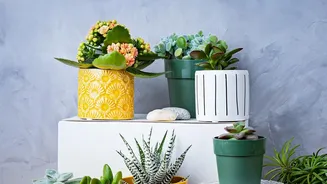
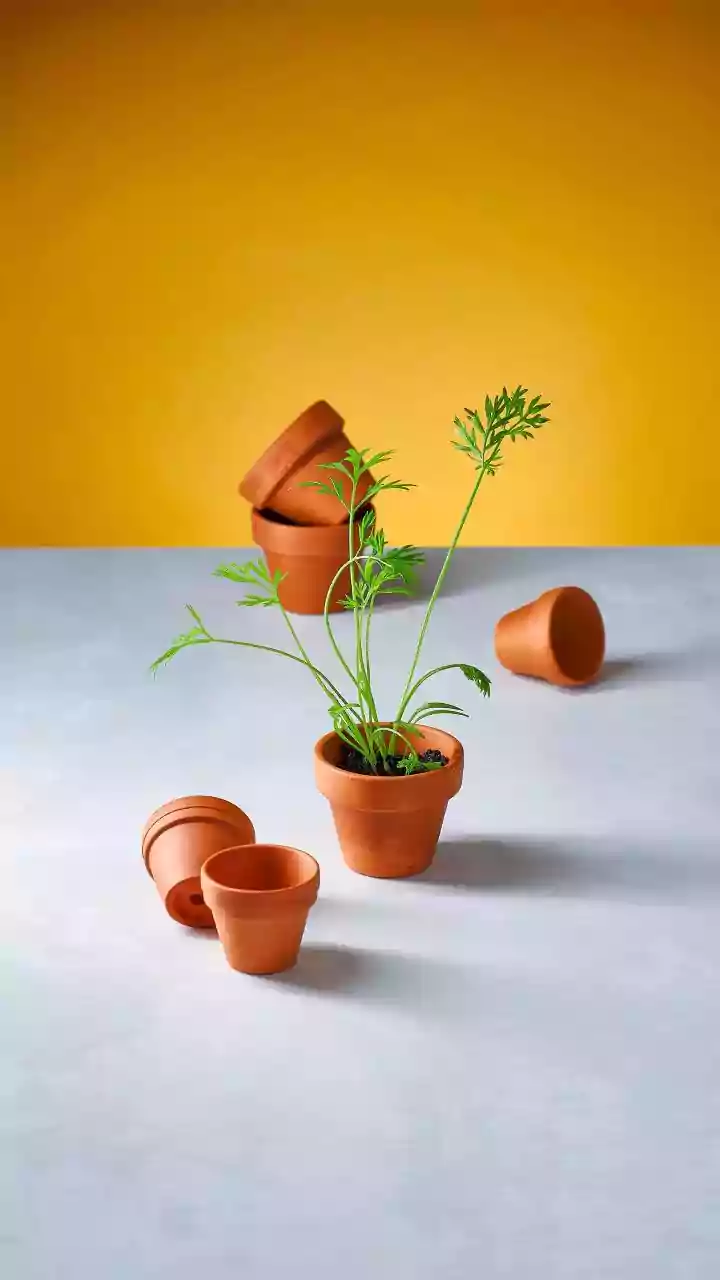
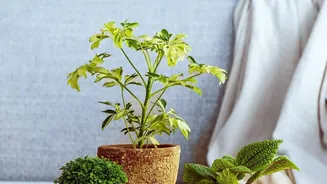
Not all ceramic pots are created equal. The finish—glazed or unglazed—significantly affects how the pot performs. Glazed ceramic pots have a non-porous, glass-like coating that prevents water from evaporating through the walls. This means they retain moisture for longer, which can be beneficial for plants that prefer consistently moist soil. However, this feature also increases the risk of overwatering if you're not careful. Unglazed ceramic, like terracotta, is porous. It allows for air and moisture exchange through the pot's walls, which helps the soil dry out faster and provides more oxygen to the roots. This makes unglazed pots an excellent choice for succulents, cacti, and any plant prone to root rot.
Working with Decorative Pots Without Holes
What if you've found the perfect decorative planter, but it doesn't have a drainage hole? Don't despair. The best and safest solution is to use it as a 'cachepot'—a decorative cover for the plant's nursery pot. Simply keep your plant in its original plastic pot (which has holes) and place it inside the ceramic one. When it's time to water, remove the inner pot, water it thoroughly in a sink, let all the excess water drain out completely, and then place it back in the cachepot. Some people add a layer of gravel or rocks to the bottom of a hole-less planter before adding soil, but this is a risky strategy. Water can still pool in the soil just above the rock layer, creating a soggy zone where roots can rot. The cachepot method remains the most foolproof way to combine style with plant health.
Making the Perfect Match
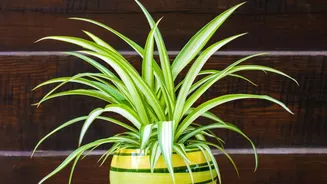
The final step is to combine form and function. Match your planter not only to your room but also to your plant's needs. Moisture-loving tropicals may do well in a glazed ceramic pot (with drainage), as it helps maintain consistent soil moisture. Drought-tolerant plants like succulents will thrive with the extra breathability of an unglazed pot. When considering size, a good rule of thumb is to choose a pot that is about one-third the height of the plant itself, ensuring the scale looks right. By considering both the aesthetic appeal and the practical needs of the plant, you can create a beautiful and healthy display that truly enhances your living space.