

What is an Evening Elongation?
In simple terms, Venus is about to hit the peak of its evening performance. Because Venus orbits the Sun inside of Earth’s own orbit, it never appears to stray too far from the Sun’s glare. We only ever see it for a few hours after sunset (as the 'Evening
Star') or before sunrise (as the 'Morning Star'). On August 15, 2026, Venus reaches what astronomers call its 'greatest eastern elongation'. This means it will be at its farthest visible point from the Sun in the evening sky, a separation of about 46 degrees. Think of it as Venus stepping out from behind the Sun’s bright curtain as far as it possibly can, giving us the best and highest view we’ll get this season.
Why This Makes for Easy Spotting
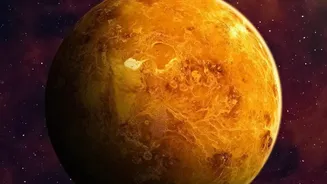
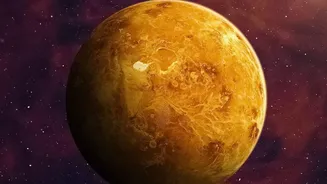
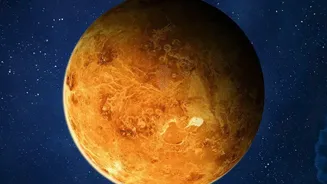
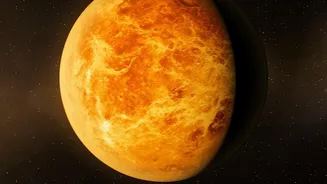
This celestial geometry is fantastic news for casual sky-watchers. At its greatest elongation, Venus will linger in the sky long after the Sun has set, making it incredibly easy to find. You won’t need a telescope, binoculars, or any special equipment. Just find an unobstructed view to the west in the hour or so after sunset. Venus will be the first 'star' to appear, shining with a steady, silvery light at a dazzling magnitude of -4.4. For context, that’s significantly brighter than any other star or planet in the night sky, second only to the Sun and the Moon in brilliance. Its incredible brightness is thanks to its thick, highly reflective cloud cover, which bounces a huge amount of sunlight back to our eyes.
How to See Venus From India
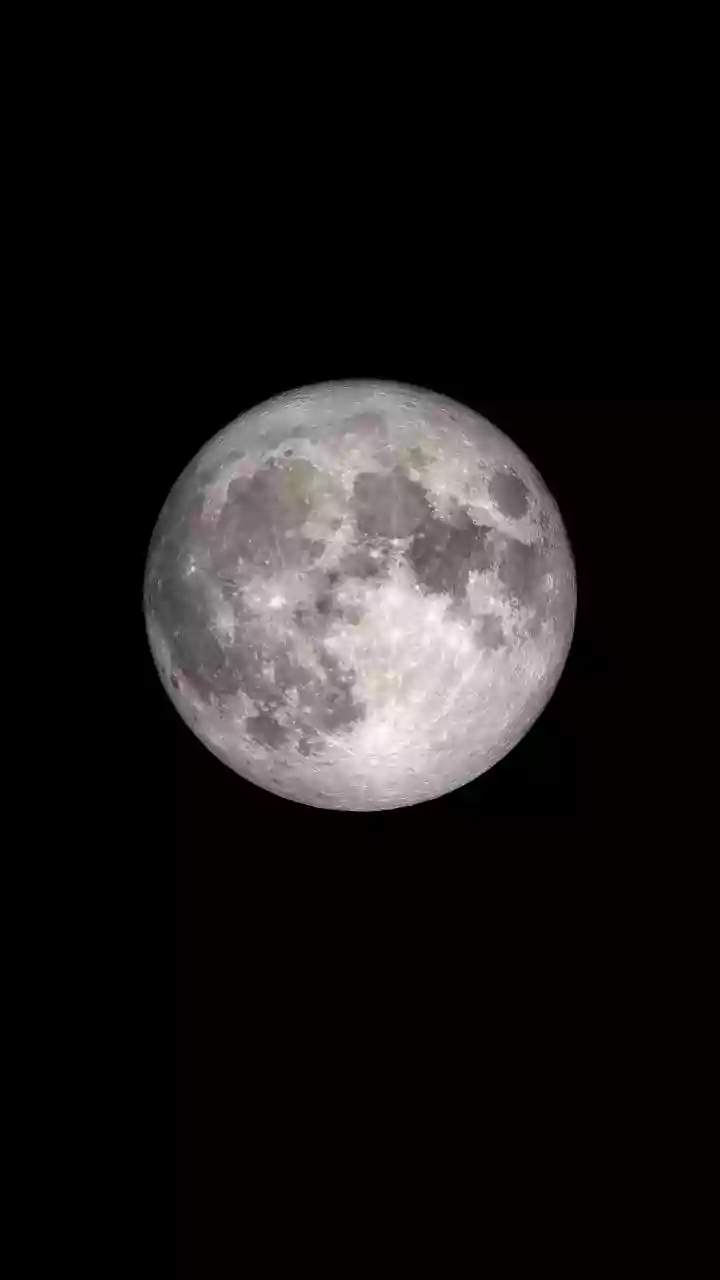
For observers across India, the instructions are straightforward. Begin looking toward the western horizon as twilight begins to deepen after sunset on August 15th. Venus will pop into view as a stunningly bright, unblinking beacon. It will be high enough above the horizon to clear most trees and buildings, making it a simple and rewarding sight. As an added bonus, the days surrounding the 15th are also excellent for viewing. On the evenings of August 14, 15, and 16, a slender waxing crescent moon will be visible in the same patch of sky, creating a breathtaking celestial pairing. The delicate moon and brilliant planet will make for a perfect photo opportunity and a memorable evening under the stars.
A Month of Celestial Wonders
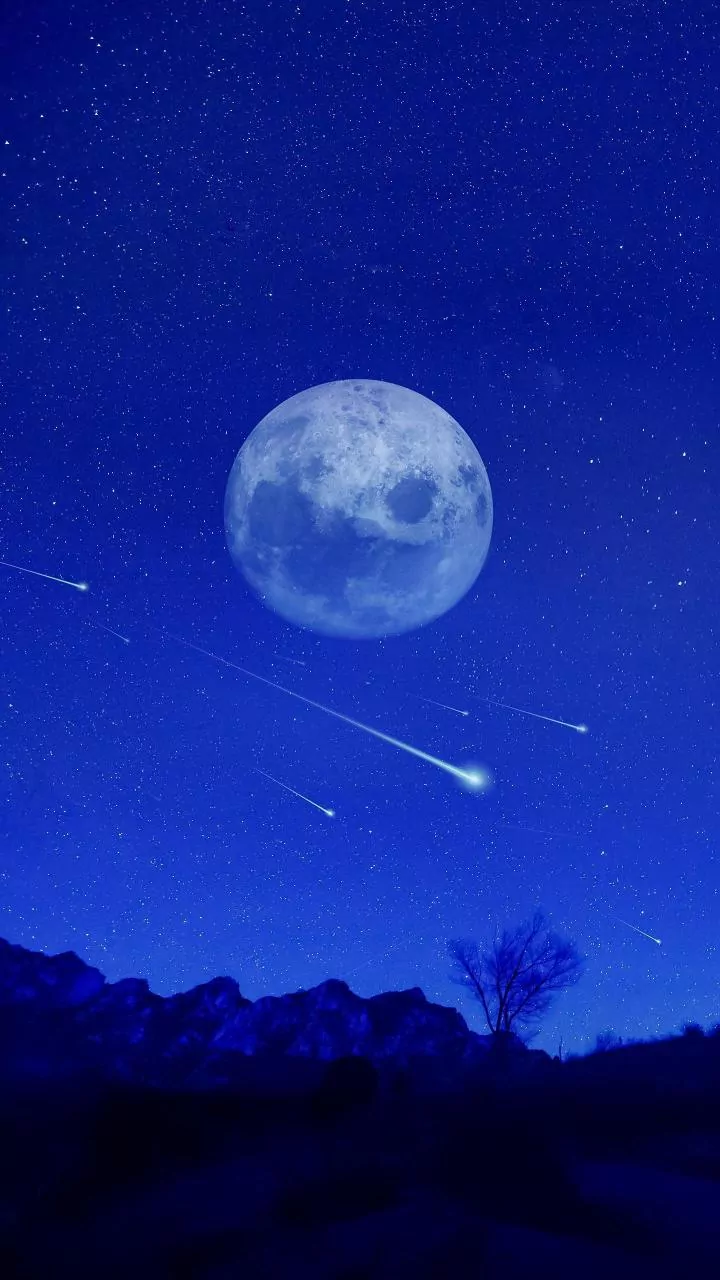
This appearance by Venus is part of a truly blockbuster month for astronomy in August 2026. The event falls just days after the peak of the popular Perseid meteor shower and a major total solar eclipse visible from other parts of the world on August 12. On the very morning of August 15, early risers can catch a close conjunction of Jupiter and Mercury just before sunrise. This flurry of activity highlights the constant, dynamic motion of our solar system. While Venus is often a familiar sight, this period of greatest elongation gives us a reason to pause and appreciate the orbital mechanics that create such a beautiful and accessible spectacle.
The Story of the Evening Star
For millennia, before we understood planetary orbits, this bright light was simply known as the Evening Star. Its reliable appearance after sunset made it a cultural touchstone for civilizations around the world. Now, we know it's our planetary neighbor, a world with a crushing atmosphere and surface temperatures hot enough to melt lead. Seeing it shine so peacefully in our twilight sky is a reminder of the vast and fascinating universe we inhabit. This 'greatest elongation' is simply a chapter in its long cycle; after August 15, Venus will slowly begin its journey back towards the Sun's glare, eventually disappearing from the evening sky in October before re-emerging as the Morning Star in 2027.