





More Than a Squeeze of Sour
In the diverse landscape of Indian cuisine, citrus is a cornerstone of flavour, used to balance rich curries, preserve pickles, and create refreshing drinks. While a standard lime offers a straightforward sour taste, the limes of India are celebrated
for their complexity. There isn't one single “Indi Lime,” but rather a collection of regional heroes, each prized for a specific quality—be it an intense aroma, a high juice content, or a unique floral note. These are not interchangeable ingredients; they are specific tools in a chef’s arsenal, capable of transforming a dish from simple to sublime. From the paper-thin skin of one variety to the powerful perfume of another, these limes are a testament to India's rich botanical and culinary diversity.
The Perfumed King: Gondhoraj Lebu
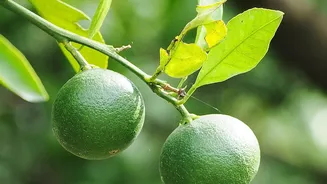
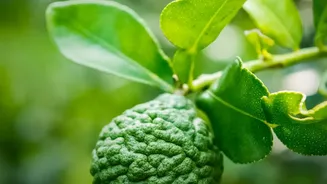
In Bengal, one lime reigns supreme: the Gondhoraj Lebu, which translates to “king of fragrance.” This lime is not known for its juice, which is minimal, but for its intoxicating, floral aroma. Elongated and often with a thick, bumpy green rind, the Gondhoraj’s magic is in its zest and the essential oils in its skin. A few drops of its juice or a grating of its zest over a simple dal and rice, a fish curry, or a biryani is a classic Bengali finishing touch. Its powerful scent can perfume an entire room, and its flavour is more subtle and complex than overwhelmingly sour. This focus on aroma makes it a unique player in the citrus world, prized for the experience it creates before you even take a bite.
The Everyday Workhorse: Kagzi Nimbu
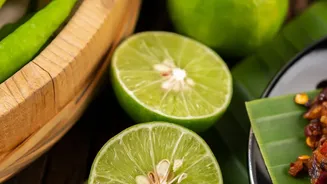
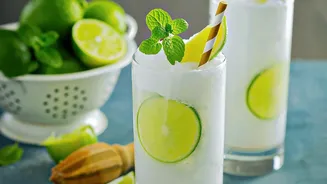
Across many parts of India, the go-to lime is the Kagzi nimbu. Its name comes from the Hindi word for paper, 'kaagaj', referring to its characteristically thin, papery skin. This thin rind means there is an exceptionally high juice content, often making up over 50% of the fruit's weight. Known for its sharp acidity and strong citrus aroma, the Kagzi is incredibly versatile. It’s the lime squeezed over street food, stirred into refreshing nimbu pani (lemonade), and used as the souring agent in countless chutneys, marinades, and dals. In 2023, the variety grown in the Indi taluk of Karnataka, also known as Indi Lime, was granted a Geographical Indication (GI) tag, recognizing its unique regional identity.
The Deceptive Hybrid: Rangpur Lime
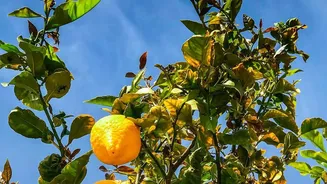
At first glance, the Rangpur lime might confuse you. With its bright orange skin, it looks more like a small mandarin or tangerine. In fact, it is a hybrid of a mandarin and a citron. But its taste is intensely sour and lime-like, with smoky and floral notes that set it apart. Originating in the Indian subcontinent, the Rangpur is essential in certain regional cuisines for making pickles and chutneys. Its juice is highly acidic and can be used as a substitute for regular lime, adding a unique, complex dimension to marinades, curries, and even cocktails—it gained international fame as a key botanical in a well-known brand of gin.
A Symphony of Citrus
The distinctiveness of Indian limes comes from this very diversity. A cook in Bengal reaches for Gondhoraj for its unparalleled fragrance, while a street vendor in Delhi relies on the juicy, sharp tang of Kagzi nimbu. These choices are not accidental; they are deeply embedded in regional culinary traditions. The Gondhoraj’s delicate aroma is perfect for the subtle flavours of Bengali cuisine, while the potent sourness of the Kagzi can stand up to the robust spices used in other parts of the country. Understanding these differences is key to appreciating the nuance and complexity of India’s regional kitchens, where a simple squeeze of lime is often the most important ingredient of all.