


A New, Worrying Pattern
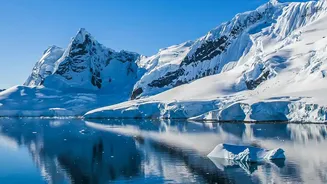
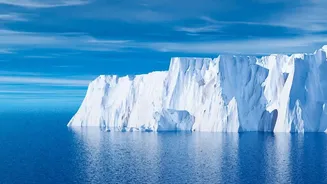
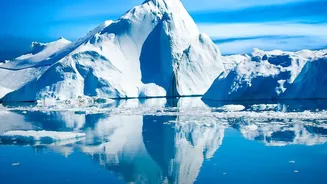
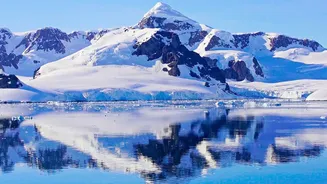
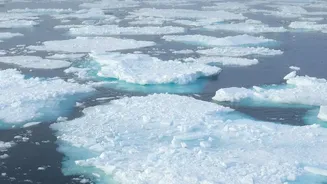
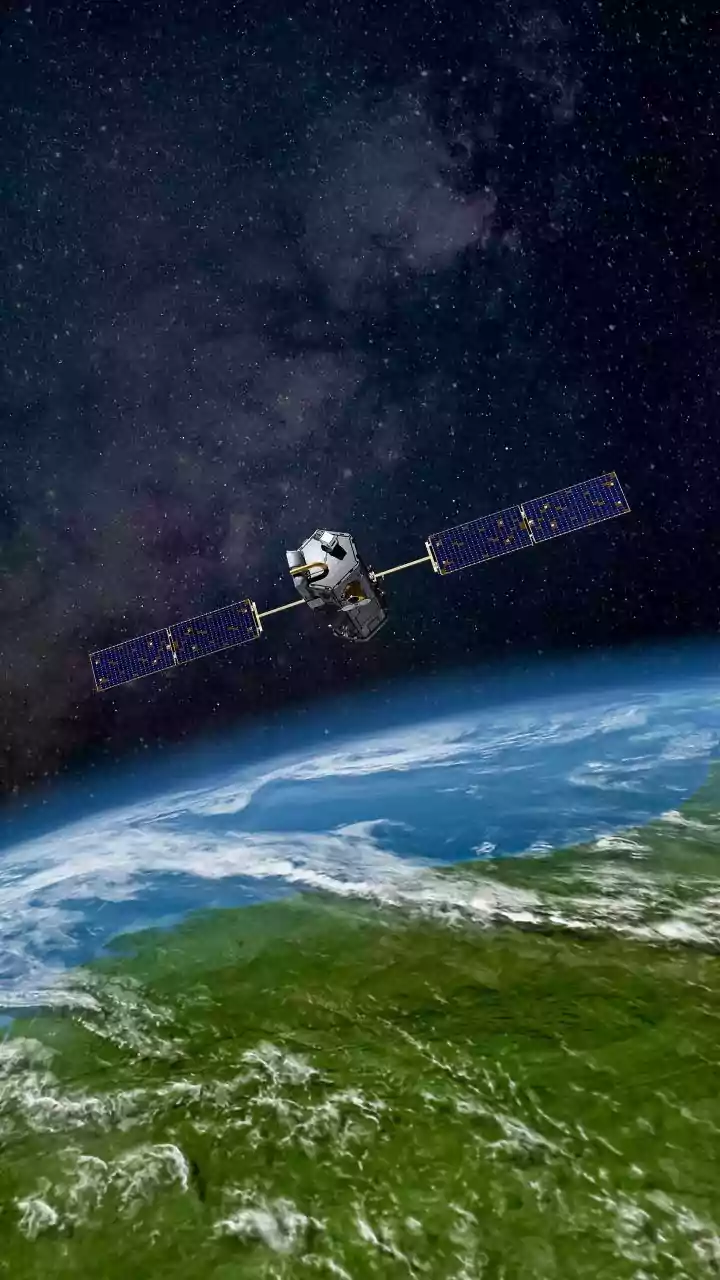
In mid-September 2026, as the Southern Hemisphere’s winter drew to a close, Antarctica’s sea ice reached its maximum extent for the year. Scientists at the National Snow and Ice Data Center (NSIDC) confirmed the peak was the third lowest in the 48-year
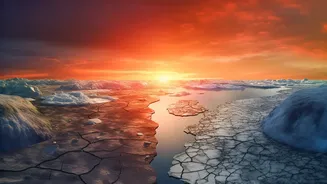
satellite record. The ice covered 17.59 million square kilometres on September 14, an area about one million square kilometres less than the long-term average. To put that missing ice in perspective, it is an area roughly twice the size of Spain. More concerning than a single low year is the emerging trend: the four lowest winter maximums ever recorded have all occurred in the past four years. This has led scientists to declare that this is no longer a one-off event but a clear indication of a system that has fundamentally changed.
The End of the Antarctic Paradox
For a long time, Antarctic sea ice was a puzzle. While the Arctic was showing a dramatic and consistent decline in sea ice due to global warming, Antarctica's sea ice was variable but had been gradually increasing slightly over decades until around 2014. This phenomenon was often called the “Antarctic paradox.” But starting in 2016, the trend abruptly reversed. Sea ice levels plummeted and have not recovered since, with record lows being set in both summer and winter. The steadying force at the South Pole appears to have vanished. Scientists now believe that the decades of gradual gains were wiped out in just a few years, pushing the continent into what some are calling a new, low-ice state.
What Is Driving the Change?
There isn't one simple answer, but researchers are zeroing in on a primary suspect: a warmer ocean. For years, a layer of cold, fresh water near the surface, fed by increased precipitation, helped insulate the sea ice from the warmer, saltier ocean depths. However, changes in wind patterns, potentially linked to broader climate phenomena like El Niño, are now believed to be driving more mixing. This process, called upwelling, brings that deeper, warmer water to the surface, where it melts ice from below and makes it harder for new ice to form. This creates a feedback loop: less ice means the dark ocean absorbs more sunlight, which further warms the water and inhibits future ice growth, locking the system into a warmer state.
Why It Matters for India and the World
What happens in Antarctica doesn’t stay in Antarctica. The vast white sheet of sea ice acts like a planetary shield, reflecting the sun's energy back into space and helping to regulate global temperatures. Less ice means more heat is absorbed by the ocean, accelerating global warming. While melting sea ice does not directly raise sea levels because it is already floating, its absence has a dangerous indirect effect. Sea ice acts as a protective barrier for the continent's massive land-based ice sheets. Without it, these ice shelves are more exposed to erosion from ocean waves and warmer waters. It is the melting of these land-based ice sheets in Antarctica and Greenland that is a major contributor to global sea-level rise, threatening coastal communities worldwide. The entire Antarctic ecosystem, from the krill that thrive in icy waters to the penguins that breed on the ice, is also under threat.