

More Than Just Pretty Rocks
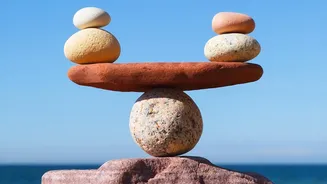
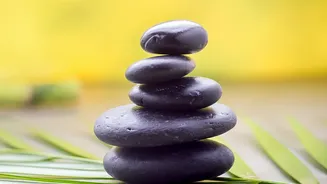
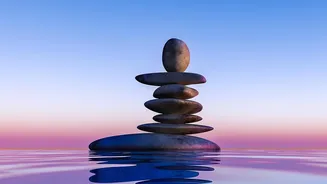
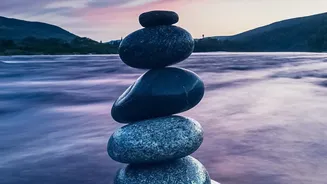
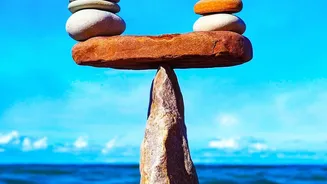
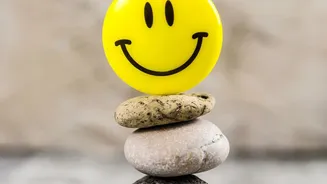
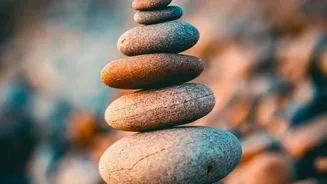
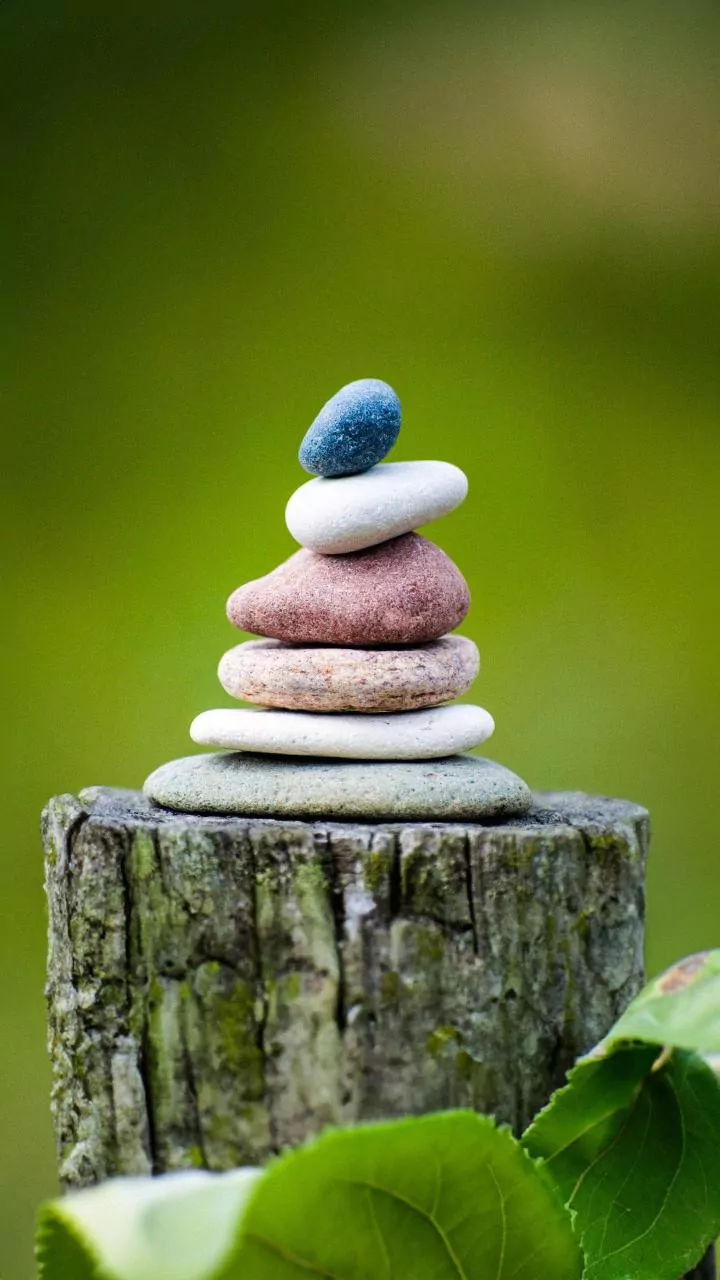
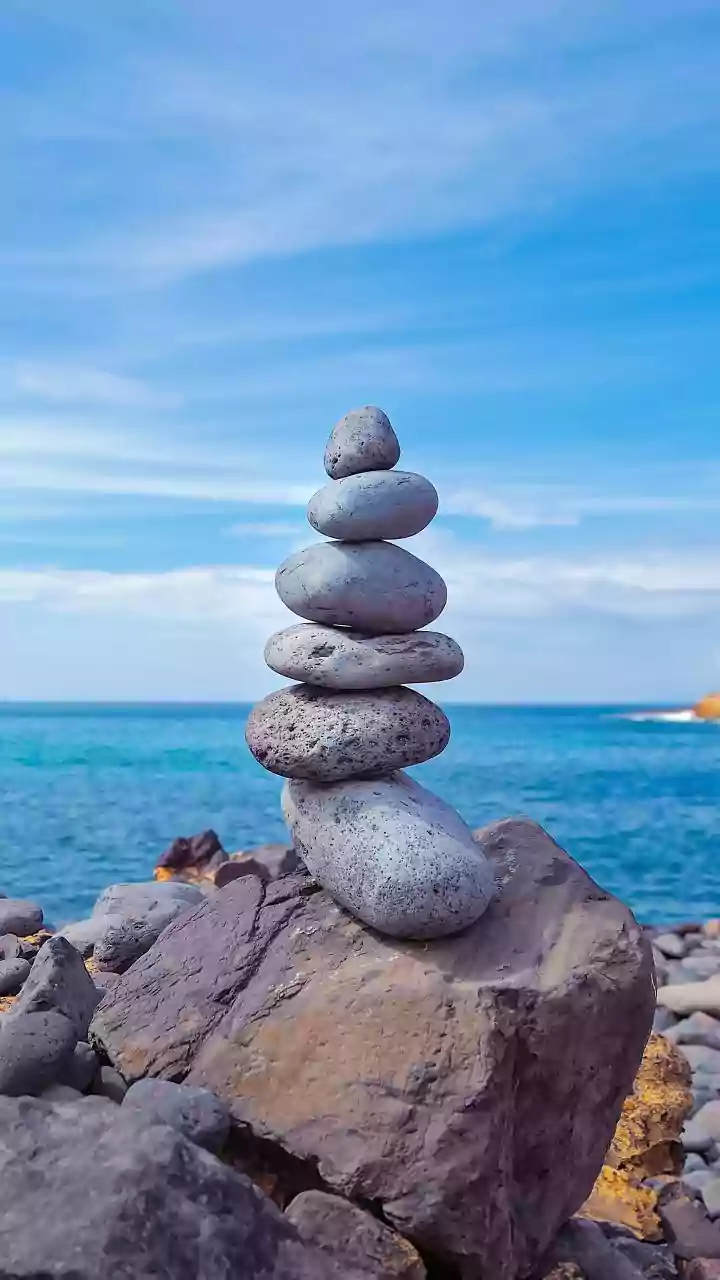
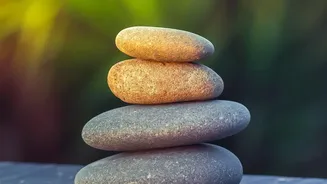
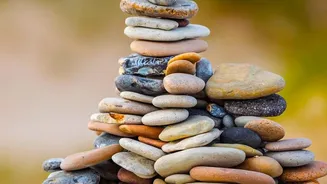
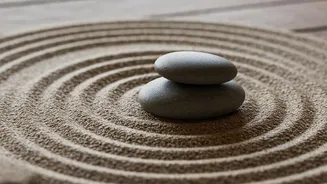
Stone balancing, also known as rock stacking, is an ancient practice that has evolved into a modern form of meditative art. While the visually striking sculptures are what capture attention, practitioners emphasize that the end product is secondary to the process.
The act itself is a discipline of patience and presence. It requires a deep connection to the moment, forcing the mind to quiet down and ignore distractions. This ancient practice serves as a powerful tool for mindfulness, encouraging a state of being fully present and aware. For many, it becomes a form of active meditation, where the simple, repetitive goal of finding equilibrium calms the mind and reduces stress.
The Physicality of Focus
The activity demands an intimate conversation between mind and body. To find the point of balance, one must develop a heightened sense of touch and proprioception. Practitioners often talk about finding a 'tripod'—three minuscule points of contact that create a stable base for the rock. This requires feeling for infinitesimal vibrations and shifts in weight through the fingertips. This process hones hand-eye coordination and fine motor skills. It’s a physical puzzle that cannot be solved with brute force, but only with sensitivity and a slow, steady hand. Each attempt, whether successful or not, refines this physical intuition.
Entering a State of Flow
The intense concentration required for stone balancing is a perfect gateway to achieving a 'flow state'—a psychological concept describing a feeling of being fully immersed in an activity. When in flow, your sense of time can distort, self-consciousness fades, and the task at hand becomes all-encompassing. Artist Michael Grab, known for his 'Gravity Glue' creations, describes the experience as a moment when the mind shuts off entirely, and he becomes one with the vibrations of the rocks and his environment. This state is not just relaxing; it's deeply rewarding and has been shown to increase happiness and creativity. It offers a profound escape from the mental clutter of daily life, soaking you completely into the 'now'.
An Antidote to Digital Distraction
In a world saturated with notifications and endless streams of information, our attention has become a fragmented commodity. Stone balancing offers a tangible, analog antidote. It is an exercise in single-tasking. There are no shortcuts, no life hacks, and no way to multitask while trying to find the delicate center of gravity of an irregularly shaped stone. Practitioners often report that the focus learned during balancing sessions translates into their daily lives, improving their ability to concentrate on other tasks. Some have found it to be a powerful aid in managing symptoms of Attention Deficit Disorder (ADD), helping to slow down thoughts and the compulsive need to constantly be doing something.
Practicing with Respect and Responsibility
While the personal benefits are clear, it's crucial to acknowledge the environmental context. Randomly stacking rocks in natural habitats can have negative consequences. Moving stones can disrupt micro-ecosystems, dislodging homes for insects, small animals, and aquatic life, and contribute to soil erosion. Trail markers, known as cairns, are official navigation aids and should never be altered. The principle of 'Leave No Trace' is paramount. Responsible practitioners advise using loose stones on durable surfaces, and many, including artist Michael Grab, make a point of dismantling their creations and returning the stones to where they were found, leaving the landscape as it was. This act of returning the stones also becomes a lesson in non-attachment.