
More Than Just a Cooking Method
Deep-frying is a cornerstone of Indian culinary tradition, responsible for some of our most beloved festive foods and street-side snacks. It's a process that seems simple: submerge food in hot oil until golden brown. Yet, the reality is far more nuanced.
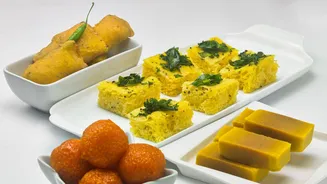
The oil in the kadai is not just a heating medium; it is an active ingredient that transforms the food. When the oil is fresh, clean, and at the right temperature, it performs magic. When it's old and degraded, it ruins everything it touches. This truth is never more apparent than with the classic duo of fafda and jalebi, two snacks that rely on fresh frying for entirely different, yet equally important, reasons.
For Fafda, It’s All About the Crisp Snap
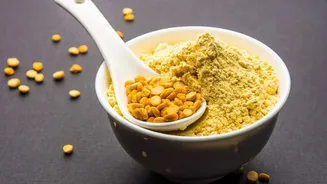
Fafda, the delicate, brittle snack from Gujarat, is a marvel of texture. Made from a simple gram flour (besan) dough, its perfection lies in its feather-light crispness. This is achieved through a very quick fry at a consistently high temperature. When a thin strip of fafda dough hits fresh, hot oil, the moisture within it vaporises almost instantly. This rapid dehydration is what creates its signature snap and prevents it from becoming oily. Fresh oil with a high smoke point is crucial here. It transfers heat efficiently, cooking the fafda before the dough has a chance to absorb excess grease. Old, reused oil, however, has a lower smoke point and is full of impurities. It cannot maintain a stable temperature, leading to a slower fry where the fafda soaks up oil instead of crisping up, resulting in a greasy, limp, and disappointing snack.
For Jalebi, It’s a Syrup-Soaking Structure
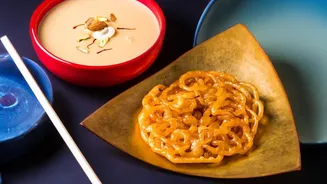
If fafda is about expelling moisture, jalebi is about creating the perfect structure to absorb it—in the form of sugar syrup. Jalebi is made from a fermented batter that is piped in spirals into hot oil. The magic here is a two-step process. First, the hot oil needs to cook the batter quickly, creating a crispy outer shell. Simultaneously, the heat causes the fermented batter to expand, forming a porous, web-like interior. It is this internal structure that acts like a sponge. After frying, the jalebi is immediately plunged into warm sugar syrup, which it greedily soaks up. Fresh oil is vital because it provides the clean, intense heat needed to set this crisp-yet-porous structure. Degraded oil, apart from imparting a rancid taste that clashes with the sweet syrup, fails to cook the jalebi correctly. The result is often a soggy, dense coil that either resists the syrup or falls apart completely.
The Unseen Enemy: Degraded Oil
So, what actually happens when oil is reused? Each time oil is heated, it breaks down chemically. This process, known as thermal degradation, creates harmful compounds, including trans fats and free radicals. The oil's smoke point drops, meaning it starts to smoke and burn at lower temperatures. It also becomes darker, thicker, and develops an unpleasant, rancid smell. Food particles left behind from previous batches continue to burn, contaminating the oil further and transferring unpleasant flavours to anything new that's cooked in it. This is why food fried in old oil often tastes bitter or 'off' and can leave you feeling heavy and uneasy. While reusing oil once or twice at home after filtering might be acceptable, the continuous reuse common in some commercial settings poses greater risks.
How to Spot the Superior Snack
As a discerning snacker, you can train your senses to spot the difference. Food fried in fresh oil generally has a lighter, more uniform golden colour. It will taste clean, allowing the flavours of the ingredients to shine through. The texture will be right—crisp for fafda, and a combination of crisp and juicy for jalebi. Most importantly, it won’t feel excessively greasy on your fingers or palate. In contrast, snacks from old oil are often darker, sometimes with uneven brown spots. They may have a faint but distinct rancid or burnt aftertaste and will likely be soggier and heavier. Trust your eyes, nose, and palate; they will guide you to the vendors who respect their craft and their ingredients.