






Defining the New Classics
Before we dive into the why, let's clarify the what. 'Brick' refers to a family of warm, earthy reds with brown or orange undertones, think terracotta, russet, and burnt sienna. These are not your classic fire-engine reds; they are deeper, more grounded,
and have an inherent warmth. On the other side of the spectrum, 'berry' includes a range of shades inspired by nature's bounty. This includes everything from the bright pop of a raspberry to the deep, moody tones of plum, blackberry, and wine. What connects them is their depth and complexity—these aren't one-note colours. They are rich, multi-dimensional, and have an uncanny ability to enhance natural beauty without overpowering it.
The Colour Theory of Inclusivity
The magic of brick and berry tones lies in their balanced undertones. Most makeup colours lean heavily warm or cool, which can clash with certain skin tones. Brick reds, with their blend of red, brown, and orange, often contain enough warmth to complement golden and olive complexions beautifully, yet enough depth to avoid looking jarring on cooler skin tones. Similarly, berry shades strike a perfect balance of red, blue, and purple pigments. This prevents them from appearing too 'grape-like' on deeper skin or washing out fairer complexions. This versatility is a stark contrast to many pale pinks or corals that can appear ashy or chalky on darker skin. Because brick and berry shades often mimic a deeper, intensified version of natural lip tones across a wide array of ethnicities, they provide a finish that feels both natural and polished.
Moving Beyond a Narrow 'Nude'
For decades, the concept of a 'nude' lipstick was limited to a narrow spectrum of beige and pale pink shades, a definition that completely excluded consumers with medium to deep complexions. This forced many to either mix multiple products or settle for shades that made them look washed out. Brick and berry have emerged as powerful alternatives, redefining what a natural or sophisticated lip can be. For someone with a deep skin tone, a rich plum or chocolate brown shade can serve the same purpose as a peachy-nude does for a fair person—it offers an elegant, understated look. This trend signals a crucial market correction, where inclusivity is finally being recognized not just as a buzzword, but as a fundamental consumer need.
A Monochromatic Moment
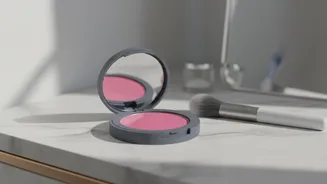
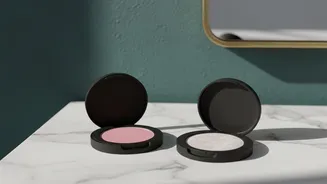
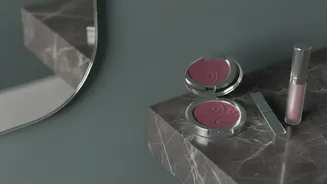
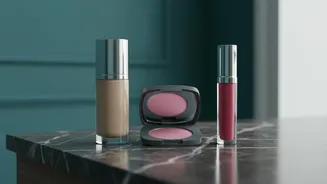
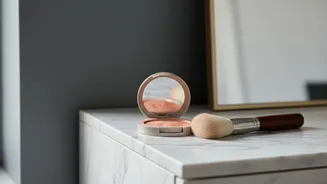
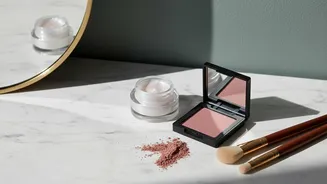
The versatility of these shades extends beyond lipstick. The trend has expanded into a full monochromatic look, with brick and berry tones appearing in blushes and eyeshadows. A sweep of a berry-wine blush across the cheeks provides a natural, healthy flush that looks like you’ve just come in from a brisk walk. Dabbing a bit of the same cream blush or even your lipstick onto your eyelids creates a cohesive, modern look that is both effortless and chic. This approach simplifies makeup routines while delivering a polished, harmonious finish. It proves that these shades aren't just for a bold statement lip; they are multifaceted tools for creating a full, radiant look with minimal effort.
How to Find Your Perfect Shade
While these shades are famously forgiving, a few tips can help you find your ideal match. First, consider your skin's undertones. While not a strict rule, warm, terracotta bricks often pop beautifully on skin with golden or olive undertones, while cool-toned, blue-based berries can be striking on those with pink or red undertones in their skin. Those with neutral undertones have the freedom to experiment widely. A great starting point is to find a shade that looks like your natural lip colour, only deeper and richer. Don't be afraid to test shades; what looks intimidating in the tube can often transform into a beautiful, wearable colour once applied. The goal is to find a shade that makes your complexion look vibrant and brightens your entire face.