





How Bad Are the Numbers?
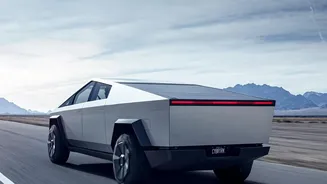
The sales data for the Cybertruck paints a challenging picture. After years of hype, CEO Elon Musk projected that Tesla could produce 250,000 units annually. However, the reality has fallen dramatically short. In its first full year, 2024, the company
sold just under 39,000 units. The decline has since accelerated. Sales dropped by nearly half in 2025 to around 20,237 units. The first quarter of 2026 hit a record low of just 3,519 deliveries. By May 2026, only about 7,100 Cybertrucks had been registered in the U.S. for the year. This performance has led analysts to draw parallels with the Ford Edsel, a notorious commercial failure from the 1950s, with some arguing the Cybertruck's sales miss is proportionally even worse.
Production Headaches and Quality Concerns
The low sales figures aren't just a matter of weak demand; they are compounded by significant production and quality issues. The truck's stainless-steel exoskeleton, a key part of its radical design, has reportedly been difficult to shape and weld, creating manufacturing bottlenecks. Beyond the factory floor, the vehicle has been plagued by a string of recalls. The National Highway Traffic Safety Administration has documented at least 11 recalls for the truck in its first few years. These have ranged from software fixes for overly bright parking lights to more alarming physical issues, including trim pieces detaching and, in one case, wheels that could potentially fall off due to cracking rotors on certain models. These persistent problems have not only slowed deliveries but have also damaged the vehicle's reputation for being 'apocalypse-proof'.
The Case Against Cancellation
Despite the grim statistics and quality concerns, a swift cancellation seems unlikely. For one, the numbers may be artificially deflated by a slow production ramp-up. Furthermore, some sales figures have been propped up by internal purchases; Elon Musk's other companies, like SpaceX, have purchased large fleets of Cybertrucks, accounting for a significant percentage of registrations in some quarters. Analysts suggest that Tesla is more likely to let the model 'fade away' rather than formally axe it. An abrupt end would be an admission of a massive strategic error and a waste of the significant investment in its unique manufacturing process. Instead, Tesla could attempt to revive interest with a redesign or a lower-cost variant, though some experts believe such efforts would be futile.
More Than Just a Truck
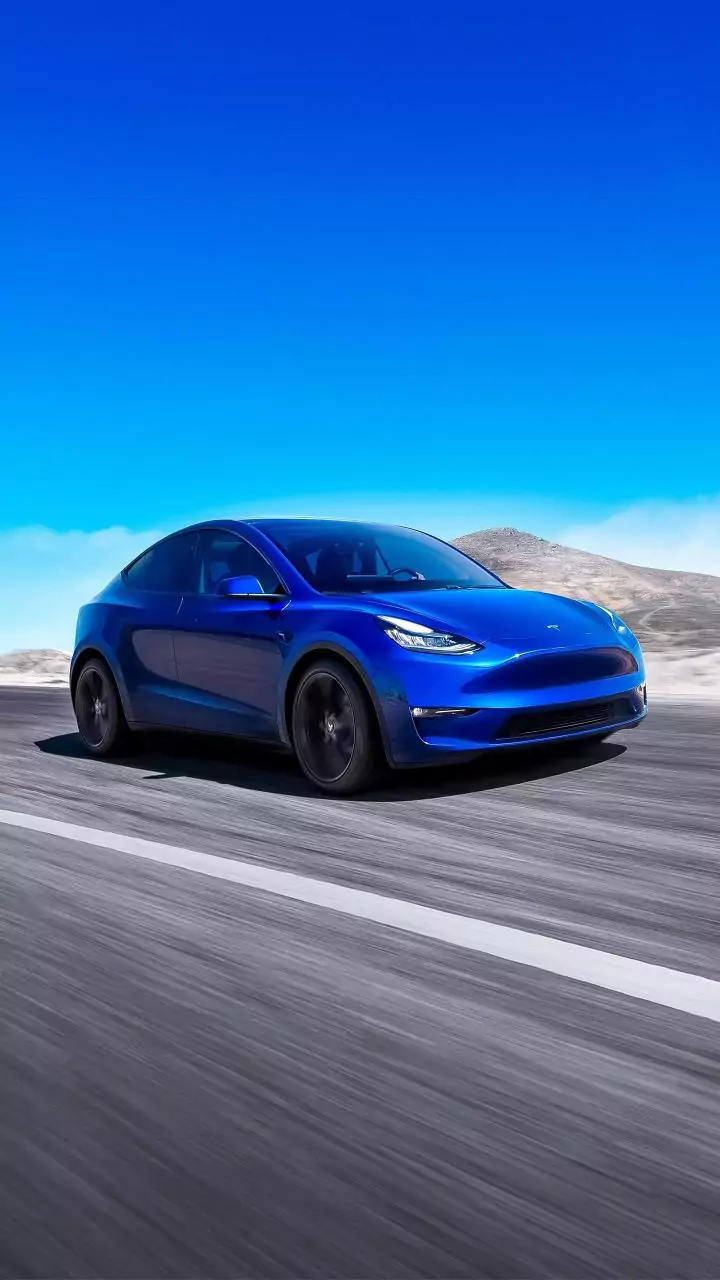
The strongest argument for the Cybertruck’s survival has little to do with unit sales. The vehicle is a powerful branding statement. Its polarizing, unconventional design generates immense public attention, reinforcing Tesla’s image as a boundary-pushing innovator. In an increasingly crowded EV market, the Cybertruck serves as a 'halo' product—a niche, attention-grabbing vehicle that draws interest to the brand's more conventional, high-volume models like the Model Y and Model 3. Jessica Caldwell, head of insights at Edmunds, noted that the truck’s styling always meant it would appeal to a niche audience rather than mainstream buyers. Its value may lie in its ability to keep Tesla in the cultural conversation, a role it fulfills regardless of how many are sold.