

Understanding a Meal's Foundation
Carbohydrates are the body's primary fuel source, and staples like rice and potatoes are packed with them. When we eat carbs, our body breaks them down into glucose, which enters our bloodstream to provide energy. The Glycemic Index (GI) is a scale that
measures how quickly a food raises blood sugar levels. Foods with a high GI are digested quickly, causing a rapid spike in blood sugar, while low-GI foods provide a slower, more sustained release of energy. Both white rice and boiled potatoes are considered high-GI foods. For example, studies show white rice has an average GI of about 73, and boiled potatoes are nearly identical. This isn't inherently bad, but understanding it is the first step to building a more balanced meal.
A Tale of Two Starches
While both are starchy carbohydrates, rice and potatoes have distinct nutritional profiles. Per 100 grams, cooked white rice tends to have a slightly higher carbohydrate content than a similar portion of boiled potato. However, potatoes often have an edge when it comes to fibre, especially when the skin is consumed. Fibre is crucial for digestive health and helps slow down the absorption of sugar, which can help moderate blood sugar spikes. Potatoes are also richer in nutrients like potassium and Vitamin C. Rice, on the other hand, can be a good source of manganese and selenium. Neither is 'better' than the other; they simply offer different benefits and contribute to the meal's total carbohydrate count in similar ways.
The Carb Stacking Effect
When you eat two high-carbohydrate foods like rice and potatoes in the same meal, you are essentially 'stacking' the carbs. This means your body has to process a larger load of glucose at once. For a healthy, active individual, this might not be an issue. However, for those managing their weight or blood sugar, consistently eating meals heavy in stacked carbs can lead to a more significant and prolonged spike in blood sugar. This forces the body to produce more insulin to manage the glucose. Over time, this pattern can contribute to feelings of fatigue after meals, cravings, and can make weight management more challenging.
How You Cook Matters Most
Interestingly, the way you prepare these staples can significantly change their impact on your body. Cooking starchy foods and then letting them cool—even if you reheat them later—increases their 'resistant starch' content. This happens through a process called retrogradation. Resistant starch is not fully broken down in the small intestine; instead, it travels to the large intestine where it acts like a prebiotic, feeding beneficial gut bacteria. This process effectively lowers the food's glycemic impact, meaning a dish made with cooled potatoes or rice will cause a gentler rise in blood sugar compared to its freshly cooked, hot counterpart. For instance, boiled potatoes that are cooled overnight have a much lower GI value (around 49) than those eaten hot (around 73).
Strategies for a Balanced Plate
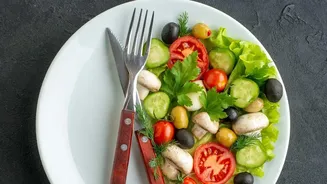
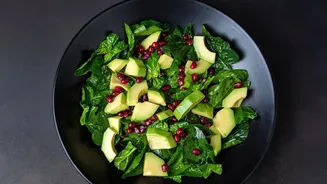
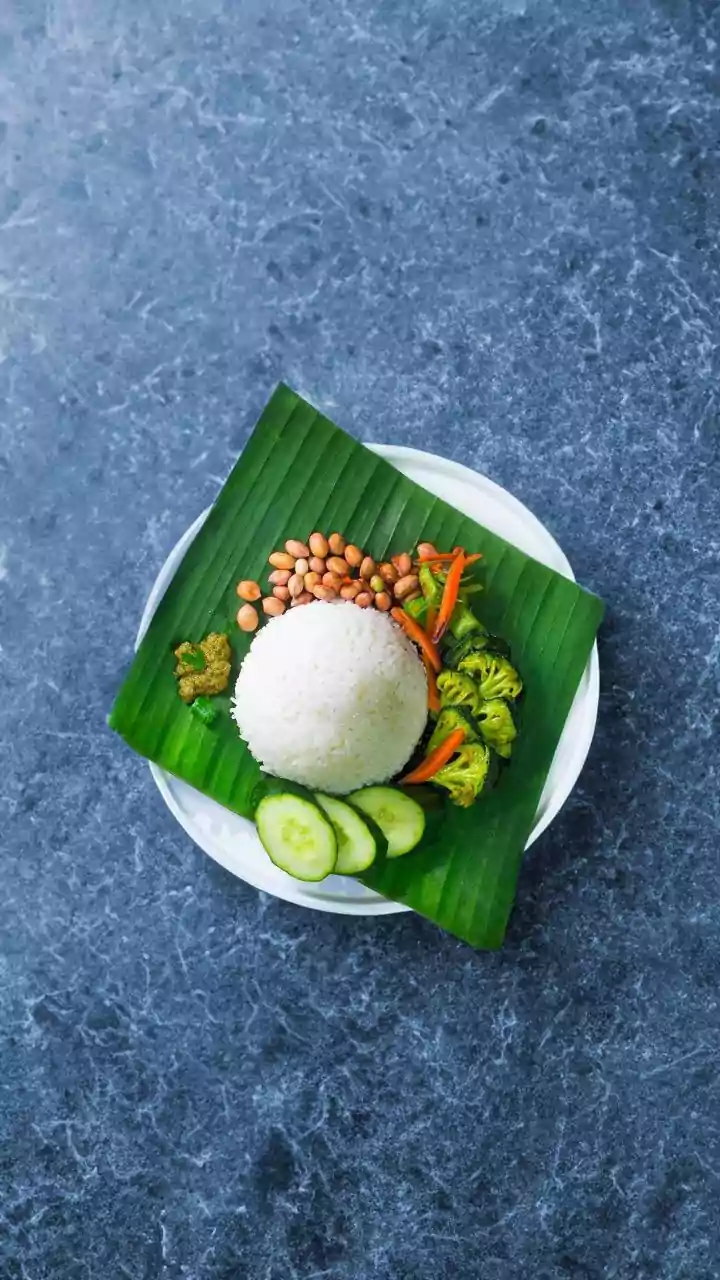
The goal is not to eliminate beloved foods but to enjoy them mindfully. One of the most effective strategies is balance. Instead of having a meal dominated by rice and potatoes, think of them as one component on your plate. A simple rule is the 'plate method': fill half your plate with non-starchy vegetables (like leafy greens, broccoli, or bell peppers), a quarter with a protein source (like dal, paneer, chicken, or fish), and the final quarter with your carbohydrate source, be it rice or potatoes. This combination of fibre from vegetables and protein slows down digestion, leading to a more gradual release of sugar into the bloodstream. If you do have both, consider reducing the portion size of each to keep the total carb load in check.