


A Hunger for Authenticity
In an age of globalised menus and fast-food convenience, a growing movement is looking backwards to find the future of food. Young urban Indians are increasingly turning to their own culinary heritage, seeking out dishes that tell a story of a specific
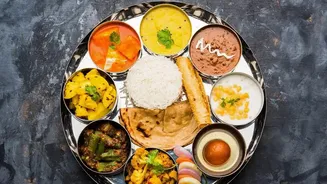
time and place. This is more than just a passing trend; it's a search for authenticity and a way to connect with their cultural roots. The revival isn't focused on the well-known staples, but on the lesser-known, hyper-regional specialities that were once at risk of being forgotten. From a tangy black gram curry called Mahni in Himachal Pradesh to Patoleo, a sweet rice dumpling steamed in turmeric leaves in Goa, these dishes are being brought back to the table.
From Family Secrets to Viral Feeds
Once preserved only in the oral traditions of families, these heirloom recipes have found a powerful new archive: social media. Platforms like Instagram and YouTube have become digital cookbooks where home cooks and culinary influencers share step-by-step videos of their grandmothers' specialities. A mother-daughter duo might showcase traditional cooking in authentic utensils, while a food blogger rediscovers the joys of a fermented rice dish like Pakhala Bhata from Odisha. This digital renaissance has given forgotten recipes a new life, making them accessible to a generation that may have never learned them otherwise. It has transformed regional dishes like Uttarakhand's Aloo Ke Gutke and Manipur's Black Rice Kheer into viral sensations, celebrated far beyond their places of origin.
The Wellness Wisdom of the Past
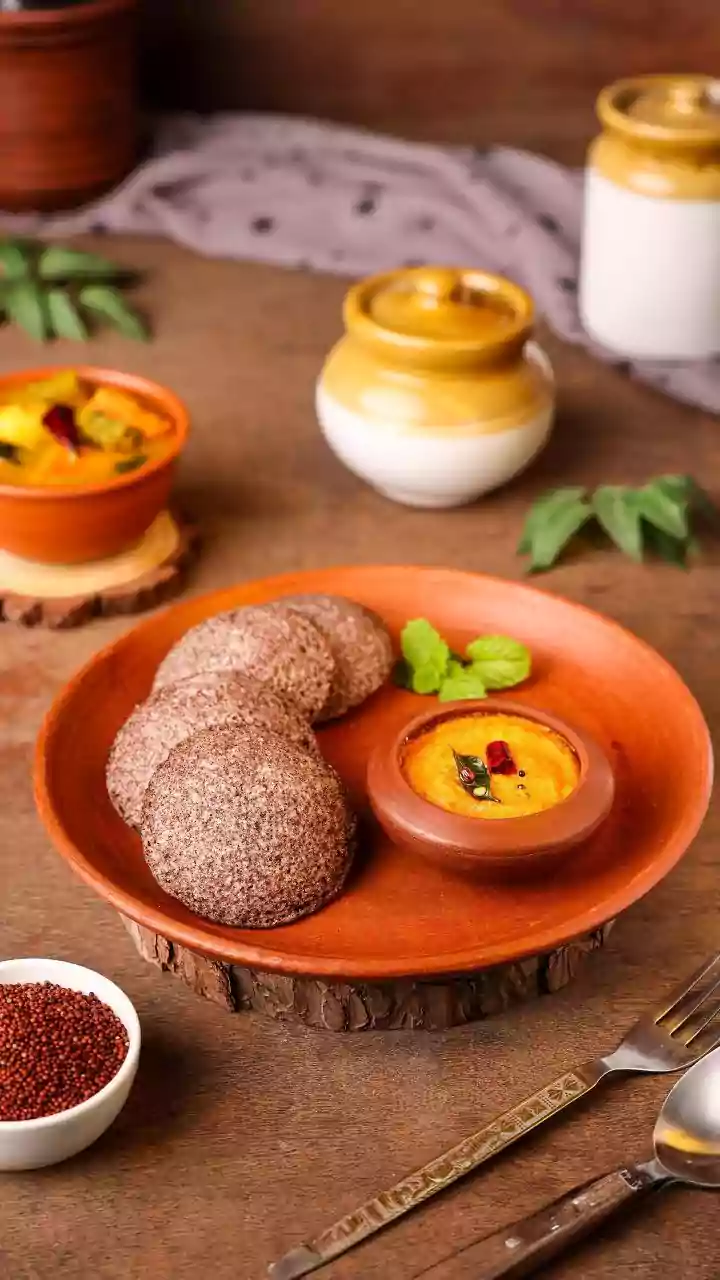
This culinary comeback is also deeply intertwined with modern wellness goals. Many of these traditional dishes are inherently healthy, rooted in centuries of wisdom that aligns with today's focus on nutrition and sustainability. They often feature a wide variety of local grains like millets, immunity-boosting spices like turmeric, and gut-friendly fermentation techniques. Ancient practices, like using sun-dried vegetables in Kashmir to prepare for harsh winters, are being recognised for their ingenuity and nutritional benefits. Traditional Indian meals, with their emphasis on plant-based ingredients, balanced nutrients, and digestive health, are seen as a holistic approach to well-being that modern diets often lack.
Chefs as Culinary Archivists
It's not just home cooks driving this trend. A new wave of Indian chefs has shifted its focus from fusion and invention to preservation. Many are travelling to remote villages, sitting with elders, and documenting recipes that were never written down. These culinary revivalists are bringing forgotten dishes to fine-dining restaurant menus, reframing them as luxury experiences. Chefs are reintroducing the original, slow-cooked form of Pindi Chole, reviving nearly lost Parsi dishes, and exploring tribal recipes before they disappear. This effort is a race against time, as many keepers of this culinary knowledge are ageing, and their recipes live only in memory.