



The Incident That Sparked Concern
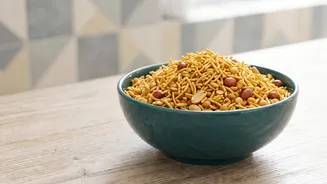
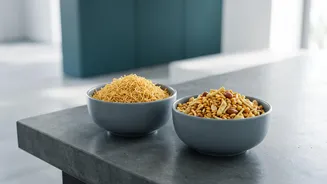
The conversation around namkeen quality was recently reignited by decisive action from the Food Safety and Standards Authority of India (FSSAI). The regulator ordered CG Foods India Pvt. Ltd. in Ajmer, Rajasthan, to halt the production of its 'veg bhujia
namkeen'. The move followed an inspection that uncovered multiple serious violations. FSSAI officials reported finding unsafe processing methods, unlicensed manufacturing of certain bhujia variants, and the use of predated packaging. Most alarmingly, the unit was allegedly reprocessing broken noodles that had been collected from the floor and turning them into bhujia products without any proper heat treatment. FSSAI seized over 32,000 kg of stock and initiated legal proceedings, highlighting a significant breach of food safety norms.
Why This Matters For All Namkeen Lovers
While the action was directed at a single company, it casts a light on potential issues within the broader packaged snacks industry. India's namkeen market is vast, with countless brands and local manufacturers. This incident serves as a reminder that practices can vary significantly from one facility to another. The violations discovered—ranging from poor hygiene and unlicensed production to reusing waste material—are exactly the kind of problems that food safety regulations are designed to prevent. It prompts a crucial question for consumers: how can you be sure that the snacks you buy are manufactured safely and hygienically? This is not just about one brand, but about understanding the importance of vigilant regulation and informed consumer choice in a massive, competitive market.
The FSSAI Rulebook Explained
The FSSAI has a specific framework to regulate manufacturers of snacks and sweets. Businesses involved in making, packing, or selling these items must obtain an FSSAI license or registration, depending on their size. These businesses are classified under Food Product Category 18, which covers Indian sweets and savouries. During inspections, officials verify compliance with a range of standards, including manufacturing facility cleanliness, employee hygiene, proper record-keeping, and equipment maintenance. One of the most critical areas is packaging and labelling. Regulations mandate that every package must clearly display information like the ingredient list, nutritional facts, manufacturing date, best-before date, and the FSSAI license number, allowing consumers to make informed choices.
The Uncomfortable Truth About Packaged Snacks
Beyond acute safety scares, there are chronic health concerns associated with the regular consumption of mass-produced namkeen. These snacks are often loaded with high levels of sodium (salt) and unhealthy fats, which can contribute to high blood pressure, increased cholesterol, and weight gain over time. A common cost-cutting practice in the industry is the use of cheap palm oil, which is high in saturated fats. Worse, this oil is sometimes reused for multiple frying batches, a process that can lead to the formation of harmful toxins. While traditional ingredients like chickpea flour (besan) are nutritious, some manufacturers may adulterate it with less healthy, cheaper flours. These factors combined mean that what seems like a light snack can be a calorie-dense product with significant health drawbacks.
How to Be a Smarter Snacker
As a consumer, you have the power to make better choices. Always check the packaging for the FSSAI license number—its presence indicates the manufacturer is registered with the food authority. Scrutinise the ingredients list to see what oils and flours are used. Pay attention to the nutritional information, particularly the sodium and fat content. Looking ahead, the FSSAI is also working on introducing mandatory front-of-pack warning labels—often simple red symbols—to clearly identify products that are high in fat, sugar, and salt. This initiative aims to give consumers an at-a-glance understanding of a product's health profile. Until then, being a diligent label-reader is your best strategy for navigating the snack aisle.