







The Problem with Prolonged Sitting
Our bodies are designed for movement, but many of us spend eight hours a day or more in a chair. This sedentary lifestyle, common in corporate India, is more than just uncomfortable; it has significant physiological consequences. When you sit for extended
periods, you're putting sustained pressure on your spinal discs. This can lead to the weakening of core and back muscles, which are crucial for support. Furthermore, a lack of movement restricts blood circulation, which can cause stiffness and fatigue. Corporate wellness programs in India are increasingly recognising these challenges, shifting focus towards preventive healthcare and integrated well-being to combat the effects of sedentary work.
Why Your Hips Bear the Brunt
One of the biggest victims of the desk job is your hips. Sitting for hours keeps your hip flexors—the muscles at the front of your hips—in a shortened, contracted state. Over time, these muscles can become tight and less flexible. This tightness pulls on the pelvis, which can misalign your posture and lead to a cascade of other issues, most notably lower back pain. When your hip flexors are tight and your glute muscles are inactive from sitting, your lower back is forced to compensate, leading to strain, fatigue, and chronic discomfort. Many people feel this as stiffness when they stand up after a long session of sitting.
Desk Yoga: An Accessible Solution
This is where desk yoga comes in as a practical and effective countermeasure. It's a modified form of yoga with simple poses and stretches that can be done right at your workstation, even while seated. You don't need a mat or special clothing. The goal isn't complex poses, but mindful movement to relieve tension. Gentle movements like seated spinal twists, neck rolls, and shoulder shrugs can alleviate stiffness in the upper body. Poses like a seated Cat-Cow help to gently mobilise the spine, counteracting the slouch that often develops during the workday. The practice also incorporates breathing techniques, which help calm the nervous system, reduce stress, and improve focus.
Unlocking Your Hips at Work
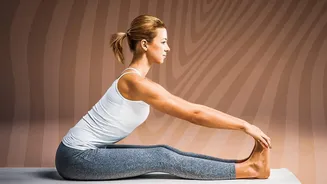
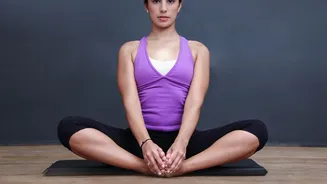
While general desk yoga is beneficial, specific hip mobility exercises are crucial for targeting the problems caused by sitting. These 'movement snacks' can be integrated into your day to lengthen those tight hip flexors. A simple Seated Pigeon Pose, where you cross one ankle over the opposite knee and gently lean forward, can provide a deep stretch for the glutes and hips. Another effective exercise is a simple standing lunge, which you can do in a spare moment away from your desk to open up the hip flexors. Consistently performing these targeted movements helps restore your range of motion, improves pelvic alignment, and takes the pressure off your lower back.
Beyond the Physical Benefits
The focus on desk yoga and hip mobility is about more than just preventing aches and pains. Taking short, intentional breaks for movement has been shown to boost energy levels and increase productivity. When you feel drained in the afternoon, a few minutes of stretching can increase blood flow and invigorate your body and mind. This practice of checking in with your body throughout the day fosters greater mindfulness and body awareness. It helps you notice poor posture and correct it before it becomes a problem. In a work culture where burnout is a significant concern, these small acts of self-care are a powerful tool for managing stress and maintaining mental clarity.