





The Spirit of the Sawan Diet
Sawan, or Shravan, is a holy month dedicated to Lord Shiva, and fasting is a core observance for millions of devotees. The dietary practices are rooted in the principles of sattvic eating, which promotes food that is pure, light, and calming to the mind
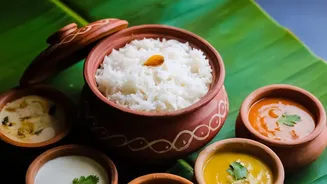
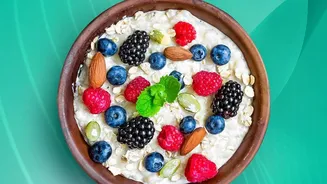
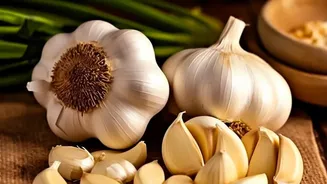
and body. Traditionally, this means abstaining from non-vegetarian foods like meat, fish, and eggs. Many also avoid onion, garlic, alcohol, and certain spices, which are considered rajasic or tamasic—foods believed to cause restlessness or lethargy. The goal is to purify the body and focus the mind on spiritual practices. The Sawan diet typically includes fruits, milk products, dry fruits, and specific 'vrat' or fasting flours like kuttu (buckwheat), singhara (water chestnut), and rajgira (amaranth).
When Tradition Meets a Health Hurdle
While spiritually significant, the traditional Sawan diet can pose challenges for modern health-conscious individuals. Many common 'vrat' foods, though permitted, are carbohydrate-heavy and often deep-fried. Think sabudana vadas, kuttu puris, and fried potato dishes. This can lead to an unbalanced intake, high in calories but potentially lacking in protein and fibre. Nutritionists warn that relying heavily on these foods can cause blood sugar spikes followed by energy crashes, leaving one feeling fatigued rather than spiritually uplifted. Moreover, the monsoon season, when Sawan falls, is a time when digestion can be weaker, making heavy, oily foods harder to process and potentially leading to bloating or acidity.
A Modern, Mindful Approach to Fasting
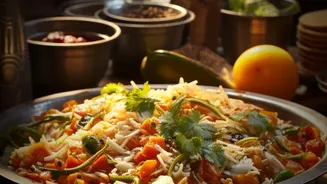
The good news is that balancing tradition and health is entirely possible with a few mindful swaps. Instead of abandoning tradition, you can adapt it. Nutrition experts suggest focusing on healthier cooking methods. For instance, instead of deep-frying puris and vadas, try baking, air-frying, or pan-searing them with minimal ghee. Boost your protein intake with Sawan-friendly sources like paneer, yogurt, makhana (fox nuts), peanuts, and amaranth flour. Samak rice (barnyard millet) is a healthier grain alternative that can be used to make pulao or khichdi. Hydration is also key; opt for water, coconut water, and buttermilk over sugary, packaged drinks. For snacks, a handful of roasted nuts and seeds provides sustained energy without the sugar crash.
Communicating Your Needs with Compassion
Navigating these dietary changes within a family can sometimes be delicate, especially with elders who hold tradition dear. The key is to approach the conversation with respect and clarity. Frame your choices not as a rejection of tradition, but as an embrace of your personal well-being. Explain that you are adapting the practices to ensure you can observe the fast in a healthy, sustainable way. You might say, "I want to honour the fast feeling energized and well, so I'm trying to bake the tikkis instead of frying them this year." Often, the shared goal is to observe the holy month with devotion, and showing that you are simply finding a healthier path to that same goal can foster understanding and even inspire others to adopt healthier practices themselves.