






The Science of Salt and Thirst
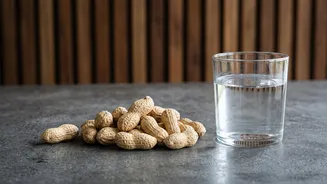
Ever wonder why you're reaching for a drink after a handful of salty peanuts? It's not just your imagination; it's your body's complex internal balancing act. When you consume salt (sodium chloride), it's absorbed into your bloodstream. This increases
the concentration of sodium in your blood, making it 'saltier' than the fluid inside your cells. Your body, ever the perfectionist, detects this imbalance. To restore equilibrium, water is pulled out of your cells and into your bloodstream to dilute the excess salt. This process, called osmosis, leaves your cells dehydrated. In response, specialized sensors in your brain's 'thirst center,' located in the hypothalamus, trigger the sensation of thirst, compelling you to drink water and restore balance. It’s a brilliant, natural survival mechanism designed to maintain your body's fluid homeostasis.
From Thirst to a More Serious Concern
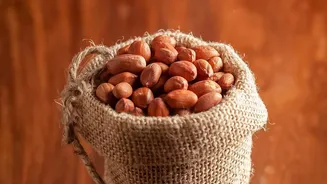
While the link between salt and thirst is a fascinating piece of biology, peanuts are associated with a much more urgent health consideration: severe allergies. For millions, peanuts are not a harmless snack but a potentially life-threatening allergen. A peanut allergy is an overreaction of the immune system to the proteins found in peanuts. This can happen not just from eating them, but sometimes from simple contact or inhalation of peanut dust. Because peanuts are a common snack in social settings, understanding the risks and knowing how to respond is crucial for everyone, not just those with the allergy.
Recognising the Signs of an Allergic Reaction
An allergic reaction to peanuts can manifest in various ways, and symptoms can range from mild to severe. Mild symptoms might include skin reactions like hives, redness, or swelling; an itching or tingling sensation in or around the mouth and throat; a runny nose; or digestive issues like stomach cramps, nausea, or vomiting. However, a peanut allergy can also trigger a severe, life-threatening reaction known as anaphylaxis. The signs of anaphylaxis are much more alarming and require immediate action. These include difficulty breathing or wheezing, a swollen tongue, tightness in the throat, a hoarse voice, dizziness, or collapse. It is critical to treat any reaction seriously, as a mild reaction can sometimes escalate into anaphylaxis.
What to Do in an Emergency
If you suspect someone is having a severe allergic reaction (anaphylaxis), time is of the essence. The first and most important step is to administer epinephrine immediately using an auto-injector if one is available. This is the first-line treatment for anaphylaxis and can be life-saving. After administering epinephrine, you must call for emergency medical help right away. Inform the dispatcher that the person is experiencing anaphylaxis. While waiting for help to arrive, have the person lie down with their legs elevated. If they are having trouble breathing or are vomiting, they should sit up or lie on their side. Even if symptoms seem to improve after the epinephrine shot, a hospital visit is still necessary, as a second wave of symptoms can occur.
Prevention and Cross-Contamination Awareness
For those with peanut allergies, avoiding exposure is key. This means diligently reading food labels, as many products may be processed in facilities that also handle nuts. But preventing allergic reactions is a shared responsibility, especially in social and home settings. Cross-contamination, where peanut allergens are unintentionally transferred from one food to another, is a major risk. Simple actions can make a huge difference. Using separate utensils, cutting boards, and cooking areas for allergen-free food is crucial. Always wash hands thoroughly with soap and water before and after preparing food, as hand sanitizers may not effectively remove peanut residue. By preparing allergen-free food first and ensuring surfaces are clean, hosts can help create a safer environment for guests with food allergies.