




The Royal Rajasthan Circuit
This route is a classic for a reason, offering a journey through the heart of Rajputana's royal past and its surprising pockets of wilderness. Start in Jaipur, the 'Pink City', to explore the magnificent Amer Fort, City Palace, and Jantar Mantar. From
there, travel to Ranthambore National Park. The park is unique as it houses not only a significant tiger population but also the ancient Ranthambore Fort, a UNESCO World Heritage site that looms over the forest. The experience of spotting wildlife like tigers, leopards, and crocodiles among historical ruins is unparalleled. Extend the journey to Udaipur, the 'City of Lakes', to visit its serene lakeside palaces like the City Palace and Jag Mandir. For those seeking more nature, the nearby Kumbhalgarh Fort is surrounded by a wildlife sanctuary. The ideal time for this trip is between October and March when the weather is pleasant for both sightseeing and safaris.
The Himalayan Highs of Spiti Valley
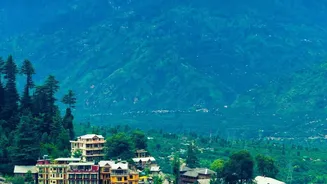
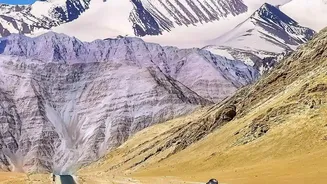
For the more adventurous, the Spiti Valley circuit in Himachal Pradesh offers a raw, dramatic landscape of a high-altitude cold desert dotted with ancient monasteries. The recommended route, especially for acclimatisation, is to start from Shimla and enter Spiti via the Kinnaur valley. This journey takes you along the Hindustan-Tibet highway, with stops at places like Nako, known for its sacred lake, and Tabo, home to the thousand-year-old Tabo Monastery. The main hub, Kaza, serves as a base to explore some of the world's highest inhabited villages like Komic, and iconic monasteries such as Key Monastery and Dhankar Gompa, which are perched dramatically on cliffs. The natural landscape is starkly beautiful, with barren mountains, the winding Spiti River, and the stunningly blue Chandratal Lake (Moon Lake). This route is accessible from June to September, when the passes are open and the weather is suitable for travel.
Karnataka’s Temple Trail Through the Ghats
Southern India offers its own magical blend of history and nature. This route through Karnataka connects the ancient Vijayanagara Empire's ruins with the lush greenery of the Western Ghats. Begin at Hampi, a UNESCO World Heritage site, where a vast boulder-strewn landscape is dotted with hundreds of temples, palaces, and royal buildings from a bygone era. Exploring the Virupaksha Temple, Vijaya Vittala Temple, and the Tungabhadra riverbanks can take several days. The best time to visit Hampi is from October to February. From Hampi, travel into the heart of the Western Ghats. You can explore the coffee plantations of Chikmagalur or the dense forests and waterfalls near Sirsi. This region is also rich in heritage, with ancient temple towns like Sringeri, known for its Sharada Peetham, and Kollur, home to the Mookambika Temple, nestled amidst the hills. This journey offers a transition from sun-baked ruins to cool, misty mountains and sacred riverbanks.
Kerala's Backwaters and Colonial Coast
This journey through 'God's Own Country' combines serene backwaters and lush greenery with a rich history of colonial trade. Start in Fort Kochi, where centuries of history are visible in the Dutch, Portuguese, and British colonial architecture, the iconic Chinese fishing nets, and the old Jewish Synagogue. From this historical hub, move inland to the tranquil backwaters of Alleppey (Alappuzha) or Kumarakom. Here, you can hire a houseboat and drift through a labyrinth of canals, witnessing village life, lush paddy fields, and coconut groves. For a deeper dive into nature, head to the Periyar National Park in Thekkady, a wildlife sanctuary known for its elephants, tigers, and spice plantations. Another option is to explore the tea-covered hills of Munnar, where rolling plantations create a stunning green carpet as far as the eye can see. This route provides a relaxing yet culturally rich experience, best enjoyed between September and March.