





From Indulgence to Involvement
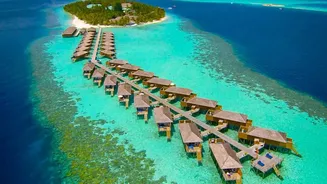
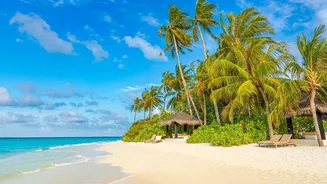
For decades, the Maldives has been the global benchmark for fly-and-flop luxury. The formula was simple: unparalleled natural beauty combined with impeccable, isolated service. Yet, a significant shift is underway. A new generation of discerning travelers
is seeking more than just pristine sands and private pools. The emerging definition of luxury is rooted in purpose and participation. Studies and resort feedback indicate that post-pandemic travelers, in particular, have a heightened awareness of their environmental impact and a greater desire for authentic connection. They are no longer content to be passive observers; they want to be part of the story, contributing positively to the destinations they visit. This has spurred high-end resorts to innovate, moving beyond extravagance to offer experiences that are both personally enriching and ecologically responsible.
The Ocean as Your Classroom
The most prominent evolution is in educational travel, with the vibrant marine ecosystem becoming a living laboratory for guests. Instead of just admiring the coral reefs, you can now help rebuild them. Resorts like Baros Maldives invite guests to sponsor and plant their own coral fragments, contributing directly to reef restoration in the shallows. At properties such as Six Senses Laamu, the experience is even more immersive. Its Sea Hub of Environmental Learning in Laamu (SHELL) serves as a marine science and education center where guests can engage with resident marine biologists. This initiative, a collaboration with partners like the Manta Trust and the Olive Ridley Project, allows visitors to participate in meaningful conservation through guest education and research. Similarly, the Four Seasons resorts offer programs where you can assist in rehabilitating injured sea turtles or learn to identify manta rays, turning a simple snorkel trip into a citizen science mission. For younger travelers, some resorts even offer 'Mini Marine Biologist' programs, instilling a passion for conservation from an early age.
Restoration for the Reef and the Soul
The theme of restoration is twofold, focusing on both the environment and personal wellbeing. Ecologically, guest participation is key. Many resorts now organize regular reef and beach clean-up activities, allowing travelers to leave a tangible, positive mark. These initiatives are framed not as chores, but as rewarding experiences that deepen a visitor’s connection to the fragile atoll ecosystem. At the same time, this focus on restoration extends inward. The new wave of Maldivian luxury integrates personal wellness in a more holistic way. It’s not just about a standalone spa treatment; it’s about a comprehensive approach that includes mindfulness sessions on the beach, yoga retreats, and nourishing, sustainably sourced cuisine. Properties like Anantara Kihavah emphasize their commitment by having eliminated single-use plastics and producing their own water, ensuring that the luxury experience doesn't come at an environmental cost. The philosophy is clear: true rejuvenation involves restoring both yourself and the paradise around you.
Forging a Genuine Local Connection
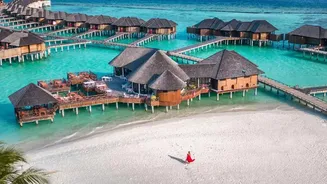
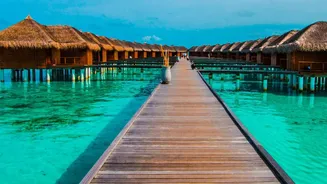
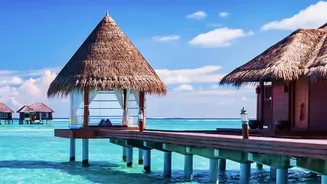
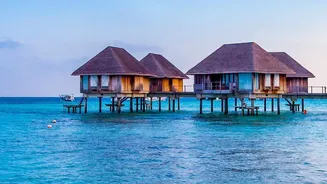
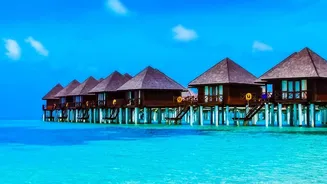
Perhaps the most profound change is the breaking down of the barrier between tourist and local life. The traditional 'one-island-one-resort' model often created a luxurious but sterile bubble, isolated from authentic Maldivian culture. Now, resorts are actively creating bridges to the local community. This starts with a commitment to hiring and empowering local staff and artisans. Some resorts, like JOALI, champion local craftsmanship by incorporating traditional design elements, such as woven palm-frond roofs, into their architecture. Beyond the resort, operators are facilitating more meaningful interactions. Guests are encouraged to visit nearby, inhabited islands—not for a staged performance, but for a genuine glimpse into daily life, to visit local cafes, or to buy crafts directly from the people who make them. Many resorts also now prioritize sourcing seafood from local, small-scale fishermen, supporting the community economically while providing guests with the freshest possible ingredients. These initiatives allow visitors to appreciate the Maldives not just for its beauty, but for its people and heritage.