


An Overlooked Giant
In the bustling hub of Manali, where trekkers eagerly set off for celebrated trails, the path to Deo Tibba Base Camp remains refreshingly untrodden. Overshadowed by its famous neighbour, the Hampta Pass, the Deo Tibba trek offers a different kind of Himalayan
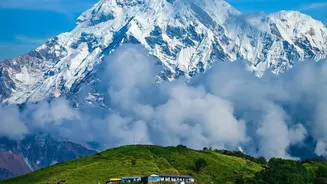
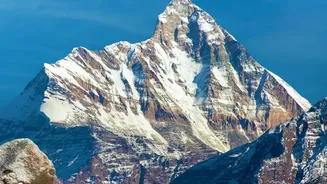
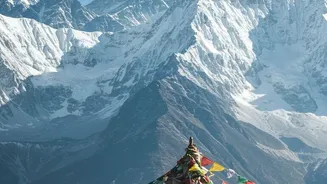
magic—one defined by solitude and sprawling, untouched landscapes. While Hampta Pass is known for its dramatic crossover from the green Kullu Valley to the arid landscapes of Lahaul, Deo Tibba is a base camp trek, meaning the journey is about reaching the foot of the magnificent 6,001-metre Deo Tibba peak. According to local beliefs, the dome-shaped peak is a gathering place for the gods, and the trek itself feels like an entry into a divine realm. For trekkers seeking a genuine wilderness experience away from the queues and crowded campsites, this is an adventure that delivers in spades.
The Journey Through Diverse Landscapes
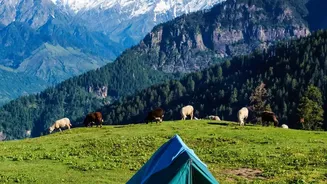
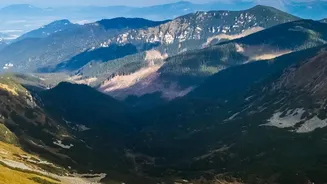
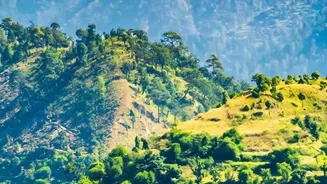
The trek, typically spanning five to six days, begins from the ancient village of Jagatsukh or Khanol, a short drive from Manali. The trail immediately immerses you in a vibrant world, starting with dense forests of pine, oak, and silver birch. The first major campsite, Chikka, is set in a beautiful meadow beside a gushing stream. From Chikka, the landscape undergoes a dramatic transformation. The trail ascends out of the treeline into Seri, a vast, flat meadow that was once a glacial lake. This picturesque expanse, carpeted with wildflowers and surrounded by waterfalls, is a defining highlight of the journey. Beyond Seri, the terrain becomes more rugged as you move towards the Tainta campsite, navigating rocky moraine and boulders to reach the higher altitudes.
The Grand Reward: Chota Chandratal
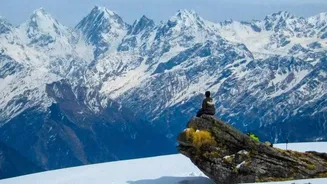
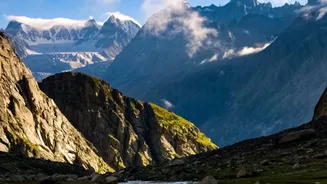
The ultimate destination on the trek is the stunning high-altitude lake, Chota Chandratal, located at approximately 4,480 metres. This emerald lake sits at the foot of the Deo Tibba peak, with the mighty mountain and its hanging glaciers providing a breathtaking backdrop. Reaching this point is the pinnacle of the trek, offering unparalleled views of the Deo Tibba and Indrasan massifs. Unlike other treks where a lake might be just one feature, Chota Chandratal is the grand visual reward for days of challenging trekking. It is a place of immense tranquillity, where the scale of the Himalayas is on full display, making the strenuous climb feel entirely worthwhile.
Is This Trek for You?
Deo Tibba is rated as a moderate to difficult trek, making it more suitable for those with some prior trekking experience. The challenge comes from the high altitude, long trekking days, and the increasingly demanding terrain as you approach the base camp. Trekkers should be in good physical condition to handle several consecutive days of walking, steep ascents, and rocky paths. While beginners can attempt it with dedicated preparation over a few months, it's generally recommended for those who have completed at least one high-altitude Himalayan trek before. The best seasons to undertake this journey are during the pre-monsoon months of May and June, or post-monsoon from September to October, when the weather is stable and the views are clearest.