



A Junkyard in Orbit
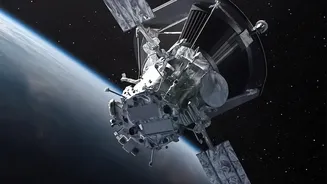
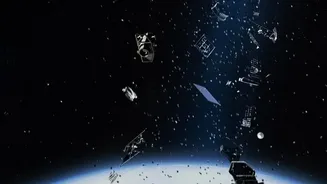
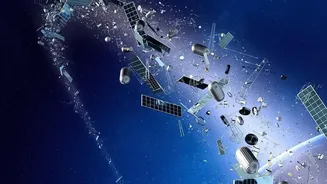
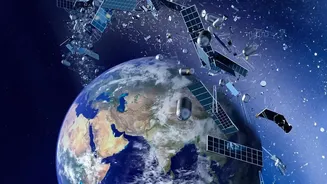
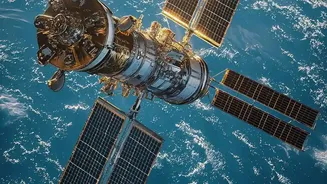
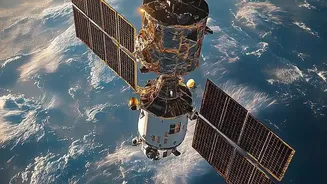
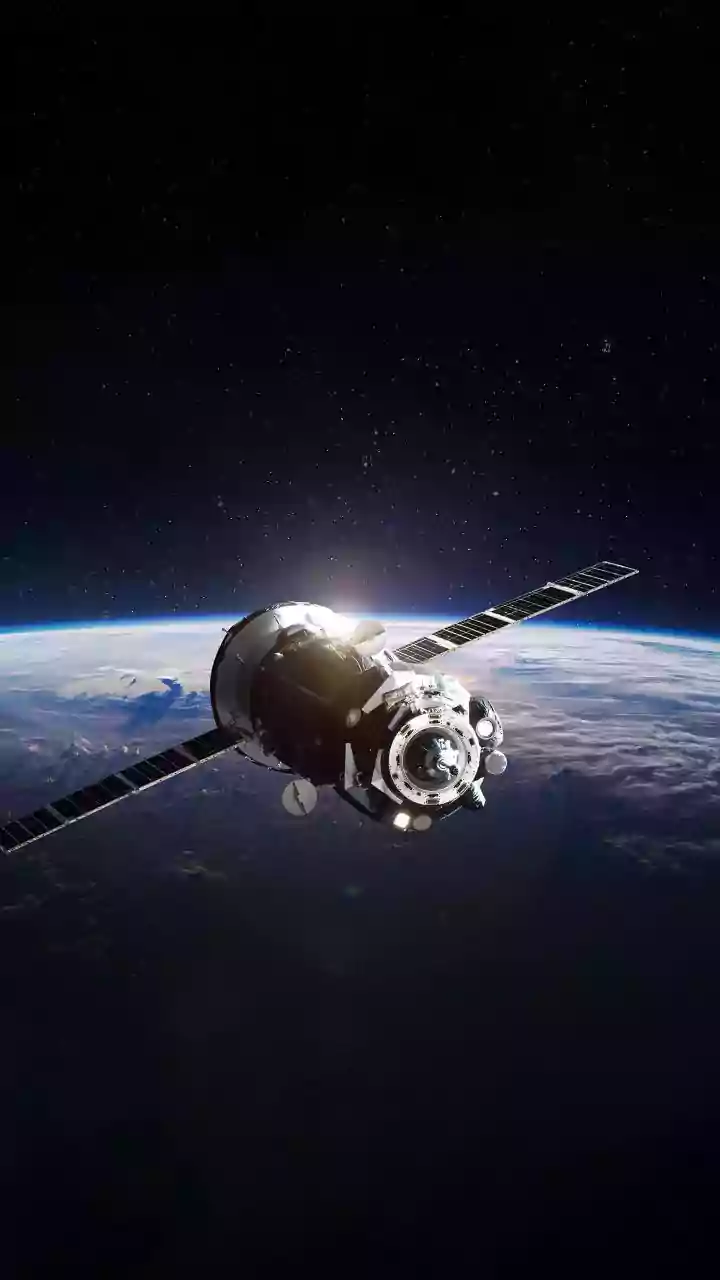
Space debris, or space junk, refers to every non-functional, human-made object orbiting Earth. This includes everything from defunct satellites and spent rocket stages to fragments from explosions or collisions. According to the European Space Agency
(ESA), there are more than 34,000 pieces of debris larger than 10 centimetres being tracked. Millions of smaller, untrackable fragments also pose a threat. These objects travel at incredible speeds—up to 28,000 kilometres per hour—meaning even a tiny paint fleck can cause significant damage to an operational satellite or spacecraft. The problem is especially acute in Low Earth Orbit (LEO), the very region experiencing the most rapid growth in commercial satellite activity. Because atmospheric drag is minimal at higher altitudes, debris can remain in orbit for decades, centuries, or even millennia, creating a persistent and growing hazard.
The Kessler Effect Is No Longer Just Sci-Fi
The primary driver of the debris removal market is the escalating risk of collision. In 1978, NASA scientist Donald J. Kessler proposed a frightening scenario: if the density of objects in LEO becomes too high, a single collision could trigger a cascading chain reaction. Each collision would generate more debris, which in turn would increase the probability of further collisions, potentially rendering certain orbits unusable for generations. This theory, known as the Kessler Syndrome, is moving from a distant threat to a present-day concern. The rapid deployment of satellite mega-constellations by companies like SpaceX and Amazon is dramatically increasing the number of objects in orbit, heightening the risk of such a chain reaction. The ESA's 2026 Space Environment Report warned that current space activities are not sustainable and that active debris removal is necessary to prevent continued debris growth.
Enter the Cleanup Crew
In response to this growing threat, a new commercial market is emerging. Various market reports project significant growth, with some estimates suggesting the market could reach between $2 billion and $4 billion by the early 2030s. This growth is attracting startups and established aerospace firms alike, all developing innovative methods for Active Debris Removal (ADR). Companies like Japan's Astroscale and Switzerland's ClearSpace are leading the way with demonstration missions. Astroscale is working on services to inspect, characterize, and remove debris, while ClearSpace was awarded a contract by the ESA for the first mission to remove an existing piece of space junk. Proposed technologies are varied and sound like something from a science fiction film, including robotic arms, nets, harpoons to capture debris, and even ground-based lasers to nudge objects into a decaying orbit.
Who Pays for the Cleanup?
The biggest question for this nascent market is its business model. For years, space debris was a classic 'tragedy of the commons'—everyone's problem, but no one's financial responsibility. This is slowly changing. The primary customers are expected to be satellite operators, insurance companies, and governments who have a vested interest in protecting multi-million dollar assets and ensuring the long-term viability of space-based services like communication, weather forecasting, and navigation. Regulatory bodies are also becoming a key driver. The U.S. Federal Communications Commission (FCC), for example, now mandates that satellites be deorbited within five years of their mission's end, creating a clear demand for 'end-of-life' services. However, the economics remain challenging. A single removal mission can cost between $10 million and $100 million today, making it a difficult expense for many operators to justify without clear regulations or immediate threats.
A Forecast, Not a Certainty
Despite the clear need and optimistic growth forecasts, the space debris removal market faces significant hurdles. The technical challenges of capturing a non-cooperative object tumbling at high speed are immense. Furthermore, the lack of a comprehensive international legal framework creates ambiguity around ownership and liability. For instance, under current international law, one entity cannot simply remove another's defunct satellite without permission, even if it poses a threat. Overcoming these technical, economic, and political obstacles is crucial. The high cost of current solutions is a major barrier to widespread adoption. The industry's future likely depends on developing more scalable and cost-effective models, such as reusable servicing vehicles capable of removing multiple pieces of debris in a single mission.