






Feathered Diplomats Arrive in Geneva
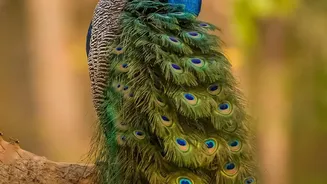
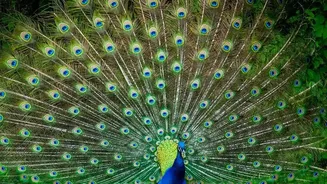
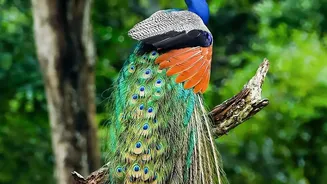
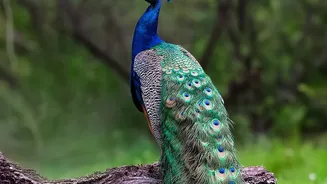
In a special ceremony, India formally presented five young Indian peafowls to the United Nations Office at Geneva (UNOG). The group, consisting of four classic blue peacocks and one rare white-feathered male, was handed over by India's Permanent Representative,
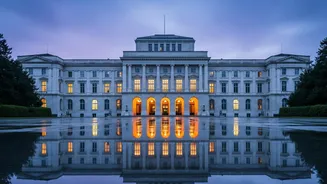
Arindam Bagchi, to UNOG Director-General Tatiana Valovaya. The choice of birds was itself symbolic, with the blue and white plumage echoing the official colours of the United Nations. The peacocks will now make their home in the historic Ariana Park, the vast green space that surrounds the Palais des Nations, the UN's European headquarters. After a brief period in a specially prepared aviary to acclimatise, they will be allowed to roam freely, continuing a local tradition that predates the UN itself.
Echoes of a 1981 Precedent
This recent gift marks the revival of a tradition that began 45 years ago. In 1981, then Prime Minister Indira Gandhi sent a breeding pair of peacocks from the Delhi Zoo to Geneva as a gift from India. For decades, those birds and their descendants were a living link between India and the international hub. Over time, the population naturally dwindled, with only a single bird remaining in recent years, making only rare appearances. The new arrival of five young peacocks gives the tradition a fresh start, representing a direct renewal of the bond first established by Indira Gandhi and ensuring the colourful presence continues for a new generation of diplomats and visitors.
A Centuries-Old Geneva Tradition
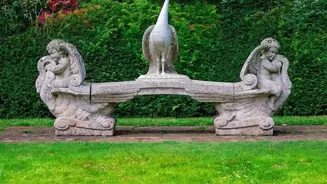
Interestingly, the Indian peacocks are joining a story that began long before 1981. The tradition of peacocks in Ariana Park dates back to the 19th century. The land was bequeathed to the city of Geneva in 1890 by Swiss art collector Gustave Revilliod. One of the specific conditions of his bequest was that peacocks must always be allowed to roam freely across the estate. Over the years, the park has been home to these magnificent birds, which have become a familiar and beloved feature of the diplomatic landscape, witnessing decades of global history unfold around them. India's gift, therefore, not only renews its own tradition but also helps sustain a unique piece of local Geneva heritage.
The Power of the Peacock
The choice of the peacock is deeply significant. As India's national bird, it is a powerful symbol of the nation's identity, representing grace, beauty, and resilience. The bird is woven into the fabric of Indian culture, mythology, and art, from its association with gods like Lord Krishna to its revered status among various communities. By gifting its national bird, India is engaging in a form of "soft power," using a cultural symbol to communicate friendship, cooperation, and a commitment to multilateralism. The Indian mission in Geneva noted that the gift represents the country's dedication to biodiversity and environmental stewardship. It is a gesture that transcends formal politics, fostering goodwill through a shared appreciation for natural beauty.
More Than Just a Gesture
In an era of complex international relations, this act of cultural diplomacy serves as a poignant reminder of the enduring importance of connection. The gift strengthens the longstanding dynamic partnership between India and Switzerland, which dates back to a Treaty of Friendship signed in 1948. It reinforces India's commitment to the United Nations at a time when global cooperation is paramount. The peacocks will be cared for by the Geneva Bioparc, ensuring their well-being in what the zoo's director called a "dream habitat." The UN even plans to launch a competition to name the five new arrivals, further engaging the community with this living symbol of diplomacy. The new muster of peacocks, particularly the striking white male, has already become a centre of attention, promising to be a popular feature in Ariana Park for years to come.