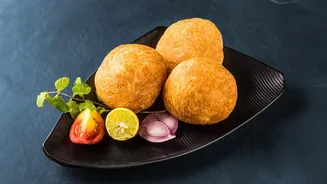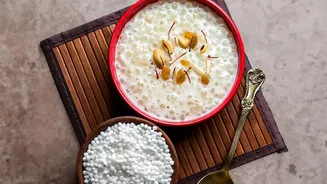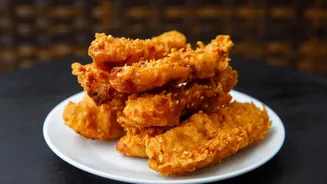


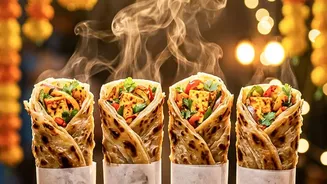

1. Jalebi, India
A vibrant, jewel-like sweet that’s a staple at celebrations across India, Jalebi is a feast for the senses. A fermented batter of maida (all-purpose flour) is piped in intricate, circular patterns into hot oil and fried until crisp. These golden spirals
are then immediately plunged into a fragrant sugar syrup, often flavoured with saffron, cardamom, and rose water. The result is a treat that is crunchy on the outside, chewy on the inside, and bursting with sweetness. While its origins trace back to West Asia, where it is known as 'zalabiya', India has wholeheartedly made it its own. In some parts of North India, it is popularly paired with rabri, a thickened sweet milk, creating a truly decadent experience.
2. Tempura, Japan
Unlike the heavy, thick batters found elsewhere, Japanese Tempura is prized for its delicate, lace-like crispiness. This dish involves lightly coating fresh seafood, most famously shrimp, and a variety of vegetables in a simple batter of cold water, flour, and egg. The secret to its airy texture lies in using ice-cold water and mixing the batter minimally to avoid activating gluten. Each piece is fried quickly in very hot oil, resulting in a coating that is light and crunchy, perfectly preserving the flavour and texture of the ingredient within. Served with a dipping sauce called 'tentsuyu' (made from dashi, soy sauce, and mirin) and grated daikon radish, Tempura is an elegant expression of Japanese culinary principles.
3. Churros, Spain
A beloved breakfast or late-night snack in Spain, churros are delightfully simple yet satisfying. The origin is debated, with some tracing them back to Chinese 'youtiao' brought by Portuguese traders, and others to Spanish shepherds who fried dough as a substitute for fresh bread in the mountains. Whatever their origin, these fluted sticks of fried dough are a sensation. A simple dough is piped through a star-shaped nozzle directly into hot oil and fried until golden. Rolled in cinnamon-sugar and served with a cup of thick, rich hot chocolate for dipping, they are a comforting treat enjoyed worldwide, especially in Latin America where they are sometimes filled with caramel or chocolate.
4. Arancini, Italy
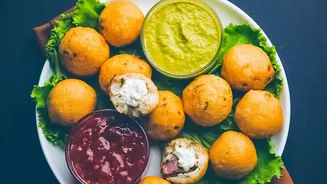
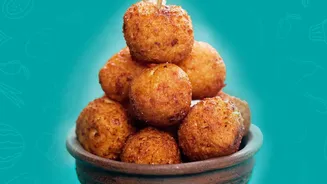
Meaning 'little oranges' due to their shape and colour, Arancini are a Sicilian specialty born from the need to use leftover risotto. These delicious rice balls are typically made with Arborio rice, often flavoured with saffron, and filled with a centre of savoury ragù (meat sauce), peas, and mozzarella cheese. The balls are then coated in breadcrumbs and deep-fried until crisp and golden brown. The first bite reveals a crunchy exterior giving way to a creamy, flavourful rice and a molten, cheesy centre. A popular street food, Arancini are a perfect, portable meal showcasing the heart of Italian comfort cooking.
5. Belgian Frites, Belgium
Though often mislabelled as 'French', the world has Belgium to thank for the invention of the perfect fried potato stick. History suggests that in the late 17th century, impoverished villagers in the Meuse Valley, who were accustomed to frying small fish, turned to frying potatoes cut in a similar shape when the river froze over. The Belgian secret is the double-fry method: first at a lower temperature to cook the potato through, and then a second time at a higher temperature to achieve a perfectly crisp, golden exterior while keeping the inside soft and fluffy. Served in a paper cone with a dollop of mayonnaise, they are a national obsession and an art form.
6. Beignets, USA
No trip to New Orleans is complete without a taste of these pillowy, sugar-dusted delights. Pronounced 'ben-yay', these square-shaped pieces of fried dough are the official state doughnut of Louisiana. Brought to the city by French colonists in the 18th century, beignets were shaped by the city's rich Creole culture, which blends French, African, and Spanish influences. Made from a simple yeasted dough and fried until they puff up into light, airy pillows, they are served hot with a generous blanket of powdered sugar. Paired with a cup of café au lait, they are an iconic symbol of New Orleans' festive and indulgent spirit.
7. Acarajé, Brazil
With deep roots in West Africa, Acarajé is a powerful symbol of Afro-Brazilian culture, particularly in the state of Bahia. This popular street food was brought to Brazil by enslaved peoples from Nigeria and became a source of income and a sacred religious offering in the Candomblé faith. It is made from a batter of peeled and mashed black-eyed peas, seasoned with onion and salt, and deep-fried in dendê (red palm oil), which gives it a unique flavour and colour. The fritter is then split open and stuffed with spicy fillings like vatapá (a creamy shrimp and peanut paste) and caruru (an okra stew).
8. Scotch Egg, United Kingdom
A classic British picnic and pub snack, the Scotch egg is a surprisingly complete package. It consists of a whole hard-boiled egg wrapped in savoury sausage meat, coated in breadcrumbs, and deep-fried until the outside is golden and crisp. Despite the name, its origins are likely English, with the London department store Fortnum & Mason claiming to have invented it in 1738 as a portable snack for wealthy travellers. The contrast between the crunchy coating, the flavourful sausage, and the soft egg inside makes it an enduring favourite, served either hot or cold.
9. Lángos, Hungary
A popular street food in Hungary, Lángos is the ultimate comfort food. This deep-fried flatbread is made from a simple yeasted dough that puffs up in the hot oil, creating a disc that is crispy on the outside and wonderfully soft and chewy on the inside. The name comes from 'láng', the Hungarian word for flame, as it was traditionally baked near the flames of a brick oven. Served fresh and hot, the classic way to enjoy Lángos is to rub it with garlic, then slather it with sour cream and a generous heap of grated cheese.
10. Gorengan, Indonesia
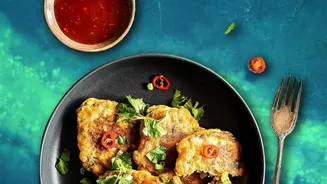
Gorengan is the umbrella term for an assortment of fried fritters that are a ubiquitous and much-loved part of Indonesian street food culture. These snacks can be found on almost every corner, sold from carts and small stalls. Popular varieties include 'bakwan' (vegetable fritters made with carrots, cabbage and bean sprouts in a flour batter), 'tahu isi' (stuffed and fried tofu), and 'pisang goreng' (battered and fried banana). Eaten as a snack or an accompaniment to a meal, often with a side of fresh bird's eye chillies, gorengan represents the simple, flavourful, and accessible nature of Indonesian cuisine.