




The Folk Remedy in Focus
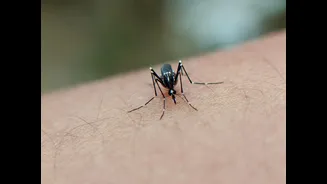
Dengue fever, a viral infection spread by Aedes mosquitoes, is a serious public health issue. Symptoms range from high fever and severe body aches to more dangerous complications. One of the most critical concerns is a sharp drop in platelet count, a condition
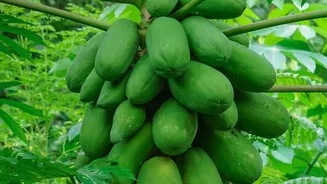
called thrombocytopenia, which can lead to bleeding. For generations, traditional wisdom has championed the use of crushed papaya leaves as a natural way to fight this. The claim is that drinking the juice can rapidly increase platelet levels, helping patients recover faster. This belief is so widespread that the fresh juice and its extracts become hot commodities during dengue outbreaks.
What Studies Show: The Platelet Connection
The central claim for papaya leaf revolves around its ability to boost platelet counts. Several clinical studies have investigated this, and the results are promising, though often qualified. A number of randomized controlled trials have shown that patients given Carica papaya leaf extract (CPLE) experienced a significantly faster rate of increase in their platelet counts compared to those who only received standard dengue care. One Malaysian study involving 228 patients found a significant increase in the intervention group's platelet count after 40 hours. Research suggests compounds in the leaves may stimulate the genes responsible for platelet production, such as ALOX 12. Some studies also note that patients treated with the extract had shorter hospital stays.
What Studies Do Not Show: A Cure for Dengue
This is the most critical distinction. While evidence suggests papaya leaf extract can help manage thrombocytopenia, no credible scientific study has shown that it cures dengue fever itself. Dengue is a viral illness, and as of now, there is no specific antiviral drug to treat it. The World Health Organization (WHO) and other medical bodies emphasize that treatment for dengue is supportive. This involves managing symptoms: controlling fever with paracetamol (not aspirin or ibuprofen, which can increase bleeding risk), ensuring the patient rests, and, most importantly, maintaining hydration by drinking plenty of fluids. Papaya leaf extract does not kill the dengue virus; it appears to only help the body in one specific area—platelet production.
The Official Medical Stance
Medical experts and health organizations urge caution. They warn against relying on papaya leaf juice as a standalone treatment and abandoning conventional medical care. While India's AYUSH Ministry has mentioned CPLE in its guidelines as a supportive measure, it is not positioned as a replacement for hospital-based management. Doctors stress that severe dengue requires close monitoring of vitals and hydration levels, which cannot be done at home. The consensus is clear: use it as a complementary therapy, but only after consulting a doctor and while continuing with prescribed medical treatment. Side effects, though usually mild like stomach irritation, can occur.
The Verdict: Helpful Supplement, Not a Magic Bullet
So, where does that leave us? The evidence points to papaya leaf extract being a beneficial supplement in the management of dengue fever, primarily for its potential to help restore platelet counts more quickly. This can be a significant advantage, potentially reducing the need for platelet transfusions and shortening hospital stays. However, it is not a cure. It does not fight the virus directly, and it is absolutely not a substitute for professional medical diagnosis and supportive care. Viewing it as a magic bullet is dangerous, as it might lead people to delay seeking crucial medical attention. Think of it as a helpful ally in your recovery, but your doctor remains the commander-in-chief.