






The Return of the Newcomer
After years of being sidelined by replacement buyers and multi-car households, the first-time car buyer is making a significant comeback. Data from leading carmakers like Maruti Suzuki shows a notable increase in this segment's contribution to sales.
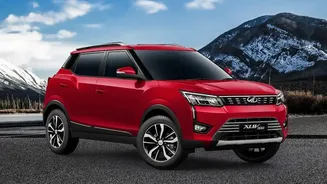
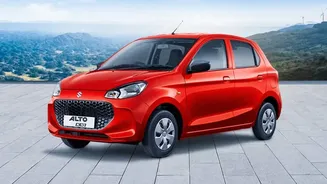
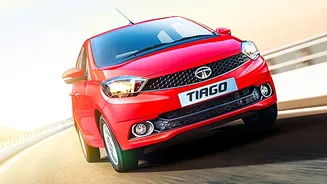
In the fourth quarter of the 2026 financial year, first-time buyers accounted for 51% of the company's sales, a sharp rise from 42% in the first half of the year. This resurgence is particularly visible in the small car and entry-level SUV segments, which have seen revived demand. The trend points to a broadening of the market base, with new consumers entering the world of car ownership, many of whom are young professionals or come from Tier-2 and Tier-3 cities.
What's Driving the Shift?
Several factors are fuelling this comeback. Improved affordability, partly due to recent GST adjustments on smaller vehicles, has made entry-level cars more accessible. Simultaneously, the organised used-car market has matured, with digital platforms and certified pre-owned programs building trust. For many first-timers, a used car is a practical entry point, offering better value and lower financial risk. Furthermore, better and more accessible financing options for both new and pre-owned vehicles are playing a crucial role. Lenders are offering attractive loan terms, making the dream of owning a car a reality for a wider segment of the population that previously might have only considered a two-wheeler.
A Changing Mix, Not a Uniform Boom
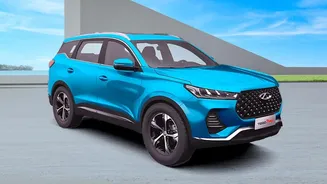
While overall passenger vehicle sales have hit record highs for months like June and August 2026, the headline itself cautions against calling it a guaranteed boom. The story is more nuanced. The growth isn't uniform across all segments. While entry-level cars are reviving, the demand for utility vehicles (UVs) and SUVs continues to dominate, accounting for a massive chunk of total sales. This indicates the market is growing at both ends: value-conscious first-time buyers are drawn to small cars, while aspirational buyers continue to upgrade to larger vehicles. The overall sales numbers, while strong, are also propped up by manufacturers stocking up dealerships ahead of the festive season. Therefore, the comeback of first-time buyers is more about a rebalancing of the market's composition than a simple, explosive growth in demand across the board.
Implications for the Auto Industry
This evolving buyer mix presents both opportunities and challenges for automakers. The renewed interest in small cars means manufacturers cannot afford to neglect this segment, even as the profitable SUV market booms. It validates the strategy of having a robust entry-level portfolio. At the same time, the rise of first-time buyers, especially those starting with used cars, creates a new pipeline of future customers for new vehicles. Their preferences—focused on affordability, fuel efficiency, safety, and low maintenance—will heavily influence future product development. Automakers and financiers must now cater to a dual market: the upgrading, feature-seeking buyer and the cautious, budget-conscious newcomer. Understanding the specific needs of this returning first-time buyer is no longer just an option; it's critical for sustained growth.