





Understanding the New Policy
The Delhi government has approved its ambitious 'Delhi EV Policy 2026', which comes into effect on July 1, 2026, and will run until March 31, 2030. With a budget of around ₹15,000 crore, the policy's main goal is to accelerate the transition away from
petrol and diesel vehicles to combat the city's severe air pollution. It focuses heavily on making electric vehicles cheaper to buy and own for the average citizen, targeting the most used vehicle segments like two-wheelers, three-wheelers, and commercial transport. The policy introduces a mix of direct cash subsidies, tax waivers, and special bonuses for scrapping older, polluting vehicles.
Direct Subsidies for Two and Three-Wheelers
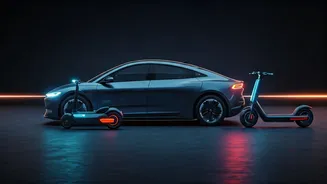
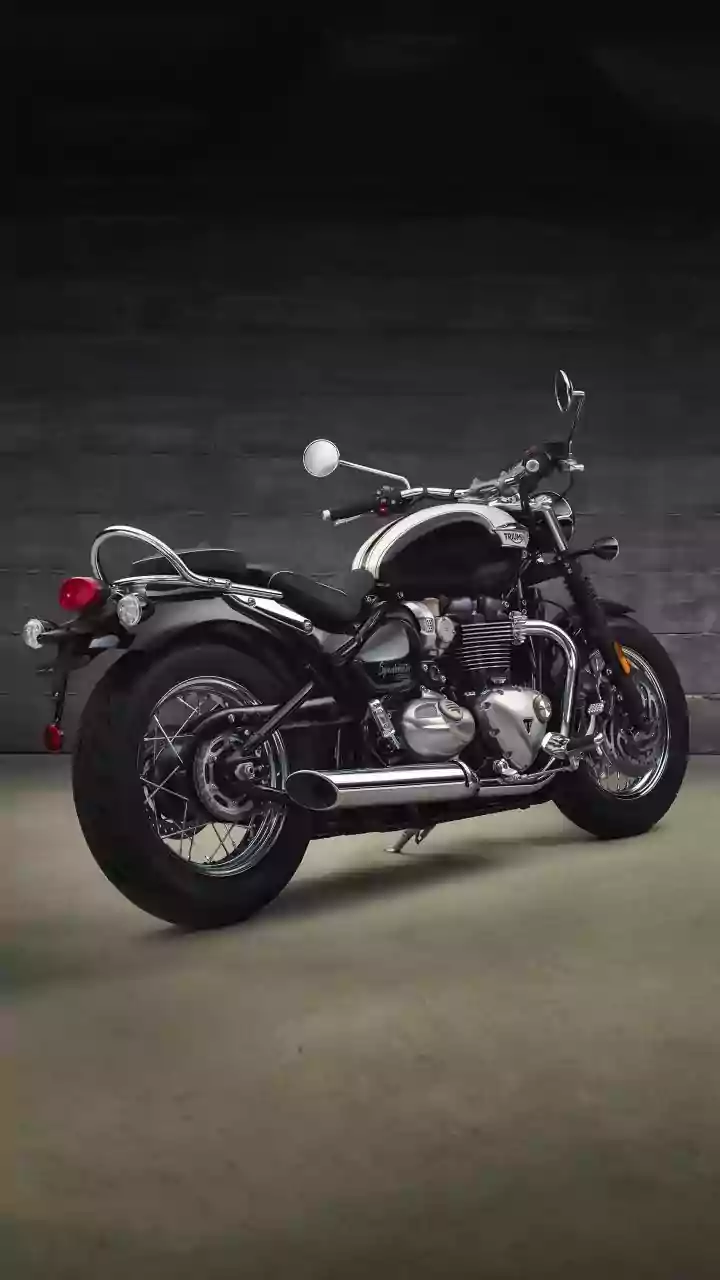
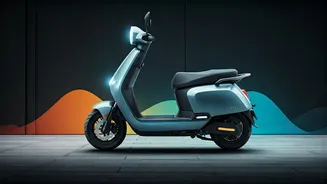
The most direct benefits are for buyers of new electric two and three-wheelers. The policy uses a tapering subsidy model to encourage early adoption. In the first year, buyers of electric two-wheelers can get a purchase incentive of up to ₹30,000. This amount will reduce to ₹20,000 in the second year and ₹10,000 in the third. To be eligible, the two-wheeler must have an ex-showroom price below ₹2.25 lakh. Similarly, buyers of electric three-wheelers, such as auto-rickshaws, are eligible for a subsidy of up to ₹50,000 in the first year. Light commercial electric trucks in the N1 category can also receive an incentive of up to ₹1 lakh in the first year.
Big Savings for Car Buyers
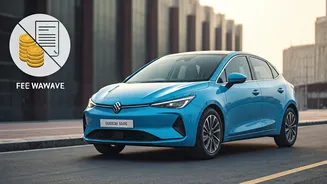
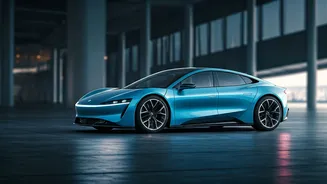
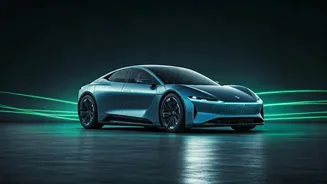
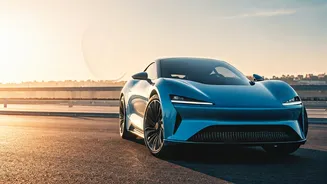
While there is no direct cash subsidy for purchasing a private electric car, the policy offers substantial upfront savings. All-electric cars with an ex-showroom price of up to ₹30 lakh will receive a 100% waiver on both road tax and registration fees. This can translate to savings of lakhs of rupees, significantly lowering the on-road cost of the vehicle. However, it's important to note that this benefit does not apply to electric cars priced above the ₹30 lakh threshold or to any hybrid vehicles, which are not eligible for incentives under this policy. This waiver is automatically applied at the time of vehicle registration, so buyers don't need to apply for it separately.
The Scrappage Bonus: Out with the Old
To get older, more polluting vehicles off the road, the policy introduces a very attractive scrappage incentive. If you scrap an old BS-IV or older petrol or diesel car registered in Delhi and buy a new EV, you could be eligible for a bonus of ₹1 lakh. This is on top of any other benefits and applies to the purchase of a new electric car priced under ₹30 lakh. This specific incentive is limited to the first 100,000 applicants. Similar scrappage bonuses are available for other vehicle types: ₹10,000 for two-wheelers and ₹25,000 for three-wheelers when replaced with an electric equivalent.
How to Claim Your Benefits
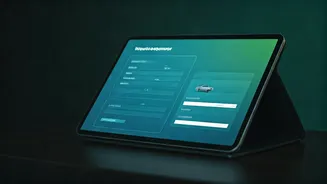
Claiming these benefits requires a new process. The Delhi government is launching a dedicated online portal for all subsidy applications. Unlike the previous policy where dealers often handled the process, buyers are now responsible for applying themselves. The most crucial rule is the timeline: buyers must apply on the portal within 30 days of their vehicle's Registration Certificate (RC) being generated. Missing this deadline means losing the incentive. To apply, you will need proof of Delhi residency, your vehicle's RC, and your Aadhaar-linked bank account details for the Direct Benefit Transfer (DBT). The waiver on road tax and registration for eligible cars is the only benefit applied automatically.
A Look at Delhi's Electric Future
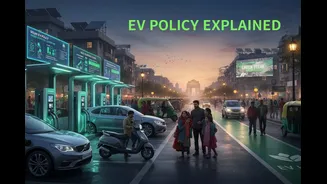
Beyond individual benefits, the policy lays out a clear roadmap for the city's transport. This includes the planned installation of over 30,000 EV charging points to eliminate range anxiety. The government is also setting firm deadlines to phase out polluting vehicles. From January 1, 2027, only electric three-wheelers will be allowed for new registrations. More significantly, from April 1, 2028, the registration of new petrol-powered two-wheelers will be banned entirely in the capital, cementing the shift towards an all-electric future.