







The head of the International Energy Agency (IEA) has issued a stark warning: the global energy crisis is far from over. A key reason for this pessimistic outlook lies in the escalating risks surrounding a narrow but vital waterway: the Strait of Hormuz.
The IEA's Sobering Forecast
IEA Executive Director Fatih Birol has repeatedly warned that global energy markets are unlikely to return to pre-crisis stability in 2027. Speaking at recent international energy conferences, Birol stated he sees no 'credible pathway' for markets to normalize next year, urging governments and businesses to prioritize energy security. The warning comes as geopolitical conflicts, particularly the war involving Iran that began in late February 2026, have severely disrupted oil and gas supplies, pushing prices to multi-month highs. Birol noted that this crisis will continue to affect the economy, agriculture, and energy sectors, forcing a strategic rethink similar to the oil shocks of the 1970s. His message is clear: the world must prepare for a prolonged period of volatility.
What is the Strait of Hormuz?
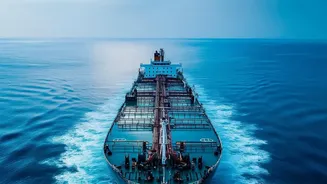
The Strait of Hormuz is a narrow sea channel that connects the Persian Gulf to the Gulf of Oman and the open ocean. At its narrowest point, it is only about 35 miles wide. Despite its small size, it is arguably the most important energy chokepoint in the world. Before the recent conflict, approximately one-fifth of global petroleum consumption and a significant share of liquefied natural gas (LNG) passed through this strait daily. It is the primary export route for major oil producers like Saudi Arabia, the United Arab Emirates, Kuwait, Iraq, and Qatar. The sheer volume of energy that transits through this waterway makes global markets exceptionally vulnerable to any disruption there.
A Flashpoint of Geopolitical Risk
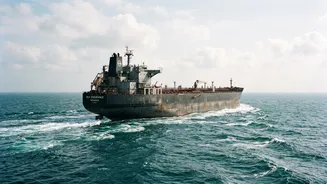
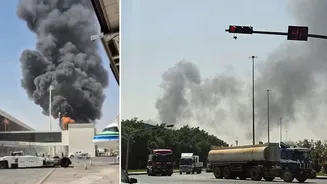
The strait's strategic importance is matched by its geopolitical volatility. For years, it has been a center of tension, primarily involving Iran, which borders the strait to the north. Recent months have seen a dramatic escalation, with reports of attacks on commercial tankers, GPS spoofing to mislead vessels, and the deployment of naval assets. Maritime security firms have classified the threat level in the strait as 'severe', warning that deliberate hostile actions are highly likely. Iran has aimed to secure international recognition of its control over the strait, creating immense uncertainty for the thousands of vessels that typically use the route. This instability has led to soaring shipping insurance premiums and forced some vessels to halt operations or take much longer, costlier routes.
The Economic Domino Effect
A disruption in the Strait of Hormuz doesn't just affect oil tankers; it triggers a global economic chain reaction. Any closure or significant slowdown immediately impacts oil prices. Brent crude, the international benchmark, has surged past $115 a barrel at times due to these tensions. But the impact goes further. Higher oil prices translate into increased fuel and freight costs, which in turn drive up the prices of everyday goods and contribute to broader inflation. Furthermore, the strait is a crucial artery for other commodities, including about one-third of the world's traded fertilizers, meaning a blockage can threaten global food security. The crisis has exposed just how deeply global supply chains are tied to the stability of this single waterway.
Why This Matters for India
For India, a nation that imports nearly 89% of its crude oil, stability in the Persian Gulf is paramount. While India has made significant strides in diversifying its energy sources—reducing its reliance on Middle Eastern crude from 64% in 2022 to 49% in 2026—the region remains a vital supplier. The close proximity of the Gulf makes it an efficient and cost_effective source, with shipping times of just a week compared to a month or more from the US. In September 2026, as some stability returned, India's crude imports from the Middle East rebounded to around 3 million barrels per day. However, any renewed, sustained disruption in the Strait of Hormuz would inevitably lead to higher import bills, pressure on the rupee, and increased fuel prices for Indian consumers and industries, directly impacting the national economy.