


Why Your Gut Needs a Gentle Reset
After days of a restricted diet or irregular meal times, your digestive system needs a gradual reintroduction to your usual eating patterns. During a fast, the production of digestive enzymes can decrease. Jumping straight into heavy, spicy, or oversized
meals can overwhelm your gut, leading to common complaints like bloating, acidity, gas, and general discomfort. Think of it as waking your system up slowly rather than with a sudden jolt. The goal is to ease back into your routine, helping your body readjust without unnecessary stress.
Hydration: The First and Most Crucial Step
Before you focus on solid food, prioritise hydration. After days of fasting, your body may be dehydrated, which can slow down digestion and contribute to feelings of fatigue. Start your day with a glass of warm water, perhaps with a few drops of lemon juice, to gently stimulate your system. Throughout the day, continue to sip on fluids like coconut water, which replenishes electrolytes, as well as buttermilk (chaas) and herbal teas like peppermint or ginger, which can soothe the digestive tract. Proper hydration is fundamental to helping your body flush out toxins and prepare for more complex foods.
Start with Light, Easy-to-Digest Meals
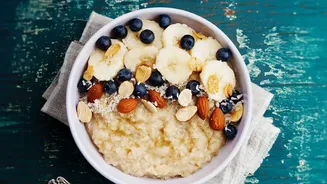
Your first few post-fast meals should be simple and nourishing. Instead of rich curries or fried foods, opt for things that are easy on the stomach. A bowl of moong dal khichdi, dalia (porridge), or a simple vegetable soup are excellent choices. These foods provide gentle carbohydrates and proteins without overburdening your digestive system. Steamed vegetables like bottle gourd (lauki) and pumpkin are also great as they are high in fibre and easy to digest. The idea is to provide sustained energy and nutrients while allowing your gut to get back up to speed comfortably.
Reintroduce Fibre and Protein Gradually
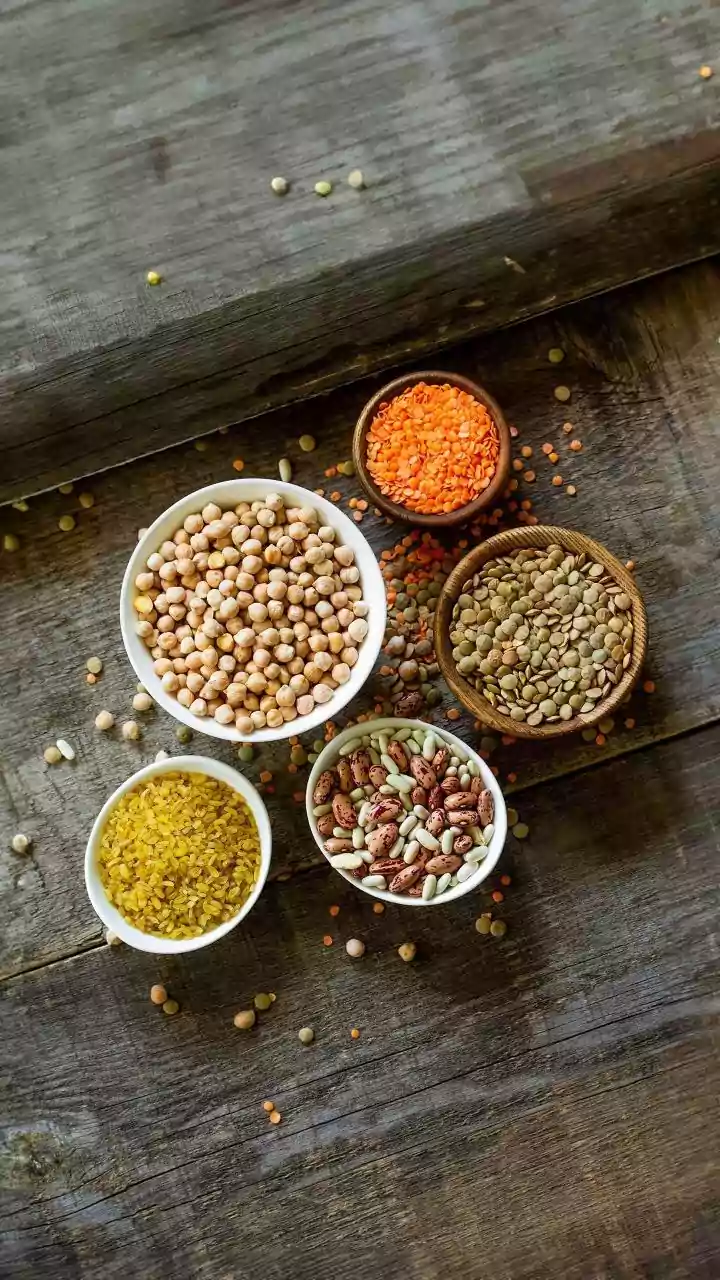
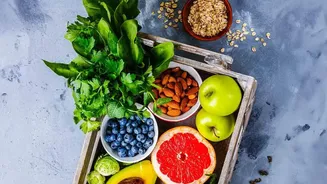
While fibre is essential for good digestion, reintroducing it too quickly after a fast can sometimes cause bloating. Start with cooked vegetables and gradually bring back raw salads and whole grains over a couple of days. Similarly, reintroduce protein slowly. Good initial sources include yogurt (dahi), paneer, and lentils, which are mainstays in the Indian diet and generally well-tolerated. Protein is crucial for rebuilding energy and muscle strength, especially if your activity levels were high during the festivities.
Listen to Your Body and Control Portions
One of the biggest mistakes after a period of fasting is eating a very large meal to compensate. This is a sure-fire way to trigger digestive distress. Instead, practice mindful portion control. It is better to have smaller, more frequent meals for the first day or two than to have three large ones. Pay attention to your body's hunger and fullness cues. An effective guideline is the '80/20 rule': eat slowly until you feel about 80% full, giving your brain time to register satiety. This prevents the uncomfortable, sluggish feeling that comes from overeating.
Foods to Limit for a Few Days
To give your digestive system the best chance to recover, it's wise to avoid certain foods for a couple of days. Steer clear of anything excessively oily, spicy, or fried. Heavy sweets, processed snacks, and rich gravies can be difficult to digest and may cause inflammation or acidity. Many popular fasting foods, such as deep-fried kuttu pooris or sabudana vadas, are best avoided as you transition back to a normal diet. By keeping your meals clean and simple, you help restore balance more effectively.