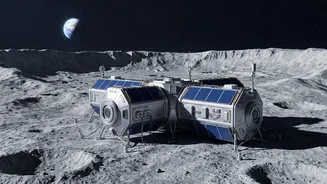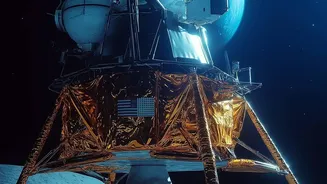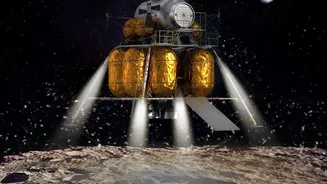

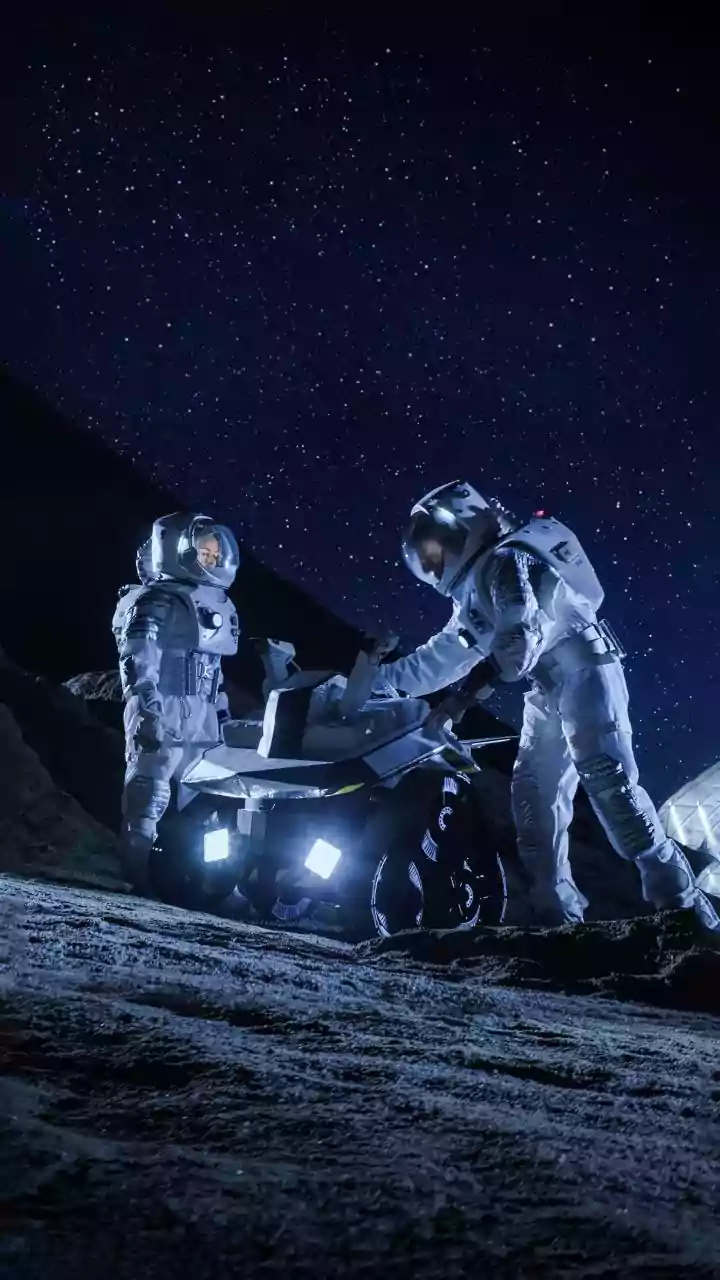
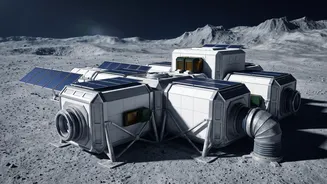
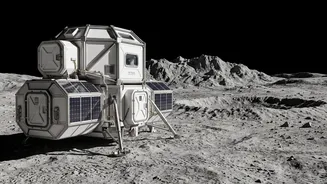
Establishing a permanent human presence on the Moon is one of NASA's biggest goals, but it comes with immense practical challenges. To solve them, the agency is turning to the public, offering prize money for the best ideas.
From Vision to Reality
For decades, a permanent moon
base has been a dream of science fiction. Now, as part of its Artemis program, NASA is taking concrete steps to make it a reality. The goal is to go to the Moon and stay, creating a hub for science and a stepping stone for future missions to Mars. But before astronauts can live and work there long-term, a fundamental support structure must be built. Instead of relying solely on traditional aerospace contractors, NASA is using a series of public competitions, collectively known as Centennial Challenges, to crowdsource innovative solutions for the essential systems needed to sustain life and operations on the lunar surface. These contests invite companies, universities, and citizen inventors to tackle some of the most complex engineering problems ever faced.
Powering a Lunar Outpost
One of the most critical needs is a reliable power source. The Moon experiences extreme temperature swings and long periods of darkness, with a single lunar night lasting up to 350 hours. This makes solar power, while abundant during the day, a complex challenge. NASA's 'Watts on the Moon' challenge specifically seeks novel solutions for energy distribution, management, and storage. The goal is to develop systems that can function in the extreme cold and darkness, ensuring a steady supply of electricity to power habitats, rovers, and experiments. Winning ideas from this contest could also have applications back on Earth, helping to improve our own renewable energy grids.
Transportation and Resources
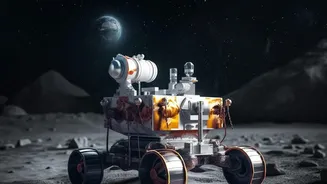
Getting around on the Moon is another major hurdle. The Artemis missions will focus on the lunar South Pole, where water ice is believed to be trapped in permanently shadowed craters. This ice is a crucial in-situ resource that could provide drinking water, breathable air, and rocket fuel. The 'Break the Ice Lunar Challenge' tasks competitors with designing robotic systems to excavate this icy regolith and transport it for processing. These machines must be durable enough to operate in extreme cold and darkness while navigating the Moon's rough terrain. Solutions have ranged from advanced rovers to proposed rail systems, all aimed at efficiently mining and moving lunar resources.
The Essentials of Life
Beyond power and transport, a moon base must provide the basic necessities for human survival. This includes robust life support systems that can recycle air and water, as well as manage waste. In a display of how specific these challenges can be, NASA even launched the 'Lunar Loo Challenge' in 2020 to solicit designs for a new toilet that could function in both microgravity and the Moon's one-sixth gravity. The competition sought a compact, efficient, and comfortable design that could accommodate both male and female astronauts, highlighting the detailed level of planning required for every aspect of lunar living. More recent student-focused challenges continue to seek ideas on everything from habitat construction to astronaut safety.
Why Crowdsource the Cosmos?
This contest-based approach is a strategic move by NASA. By opening up these problems to a global community, the agency taps into a diverse pool of talent and ideas that exists outside of its traditional partners. The challenges, often with significant prize purses, incentivize innovation from small startups, university teams, and even individual inventors who might have revolutionary concepts. It's a way to accelerate technology development and find cost-effective solutions for the monumental task of building a sustainable home on another world. These competitions are not just about a single piece of hardware; they are about building a collaborative foundation for humanity's future in space.