
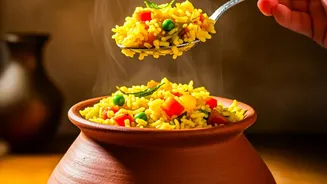
More Than Just a Health Trend
For centuries, millets were simply food, not 'health food'. They formed the backbone of traditional Indian diets, providing nourishment long before polished rice and refined wheat became dominant. The shift towards modern, processed grains during the Green
Revolution pushed millets into the background, branding them as old-fashioned or food for difficult times. Now, as we grapple with lifestyle diseases linked to modern diets, there's a growing movement to bring these ancient grains back to the center of the plate. This isn't about nostalgia; it's about rediscovering a smarter, more sustainable way of eating that is deeply rooted in our own culture.
The Nutritional Powerhouses on Your Plate
Compared to refined wheat and rice, millets offer a superior nutritional profile. They are naturally gluten-free, making them an excellent choice for those with sensitivities. Millets are packed with dietary fibre, which aids digestion, promotes gut health, and keeps you feeling full for longer. Their low glycemic index helps in managing blood sugar levels by releasing energy slowly, preventing the sharp spikes associated with processed carbohydrates. Furthermore, they are rich sources of essential minerals. Ragi is famously high in calcium, jowar is loaded with iron, and bajra provides a good dose of magnesium, making them a formidable force for bone health, fighting anaemia, and supporting heart health.
Jowar (Sorghum): The Versatile All-Rounder
Jowar is one of the most popular millets, especially in Maharashtra and Karnataka. With a mild, slightly sweet taste, it's a fantastic entry point for anyone new to millets. Jowar is high in fibre and iron, and its antioxidant properties support overall immunity. Because it keeps you satiated, it's a great grain for weight management. Beyond the traditional bhakri, jowar flour can be used to make soft rotis, pancakes, and upma, easily fitting into daily meals.
Bajra (Pearl Millet): The Winter Warrior
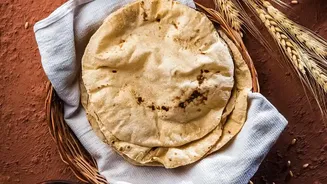
Bajra is a staple in the western states of Rajasthan and Gujarat for a reason. Considered a 'warming' grain in Ayurveda, it's perfect for colder months. Bajra is a nutritional heavyweight, rich in protein, iron, and magnesium, which helps in managing blood pressure. Its robust, earthy flavour pairs wonderfully with classic Indian dishes like saag and kadhi. While most known for the rustic rotla or bhakri, bajra also makes a delicious and hearty khichdi.
Ragi (Finger Millet): The Calcium King
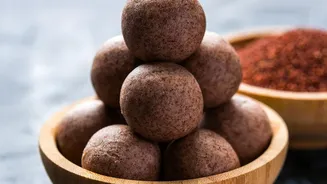
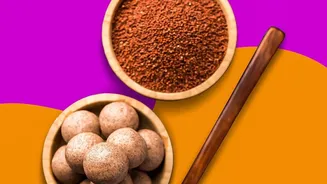
Popular across South India, ragi is a true superfood, especially for women and children. It is one of the best plant-based sources of calcium, crucial for strong bones and teeth. Its gentle, earthy sweetness makes it incredibly versatile. Ragi shines in breakfast dishes like porridge, dosas, and idlis. It's also a traditional weaning food for babies when made into a soft malt. For those with a sweet tooth, ragi can be used in laddoos, cookies, and even brownies.
Making the Switch: Easy & Practical Tips
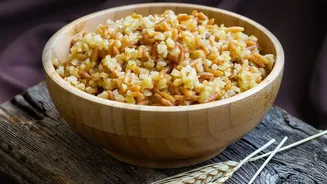
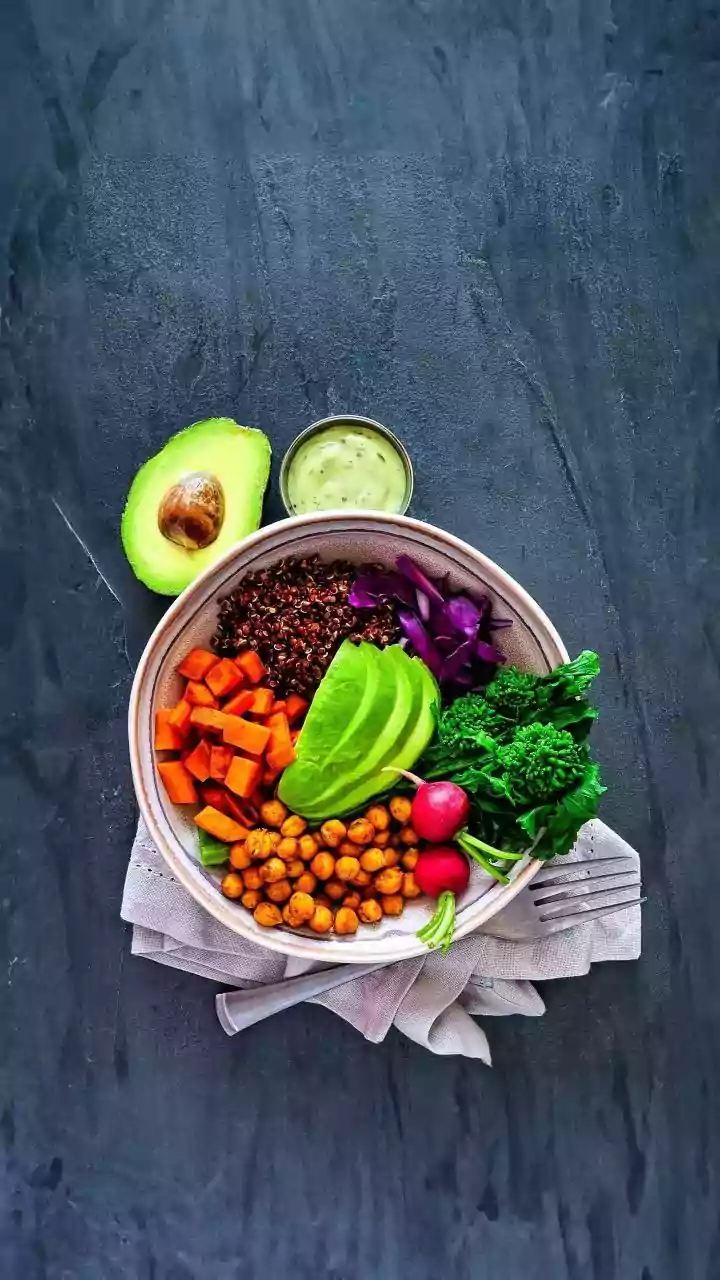
Incorporating traditional grains doesn't require a complete overhaul of your kitchen. Start small. Try replacing rice with a cooked millet like foxtail or little millet in a lunch bowl once or twice a week. You can also mix millet flour (like jowar or bajra) with your regular wheat atta to make rotis. For breakfast, swap your usual cereal for a warm bowl of ragi porridge or a savoury jowar cheela. The key is to start slowly and rotate different grains to enjoy a variety of flavours and nutrients.